Trump Venezuela Oil Deal Faces Years of Delays Before Impacting US Fuel Markets
Although the United States has secured majority control over 65 billion barrels of Venezuelan oil reserves, severe infrastructure deficits and political risks mean the agreement will not alleviate record-high domestic fuel prices in the near term.
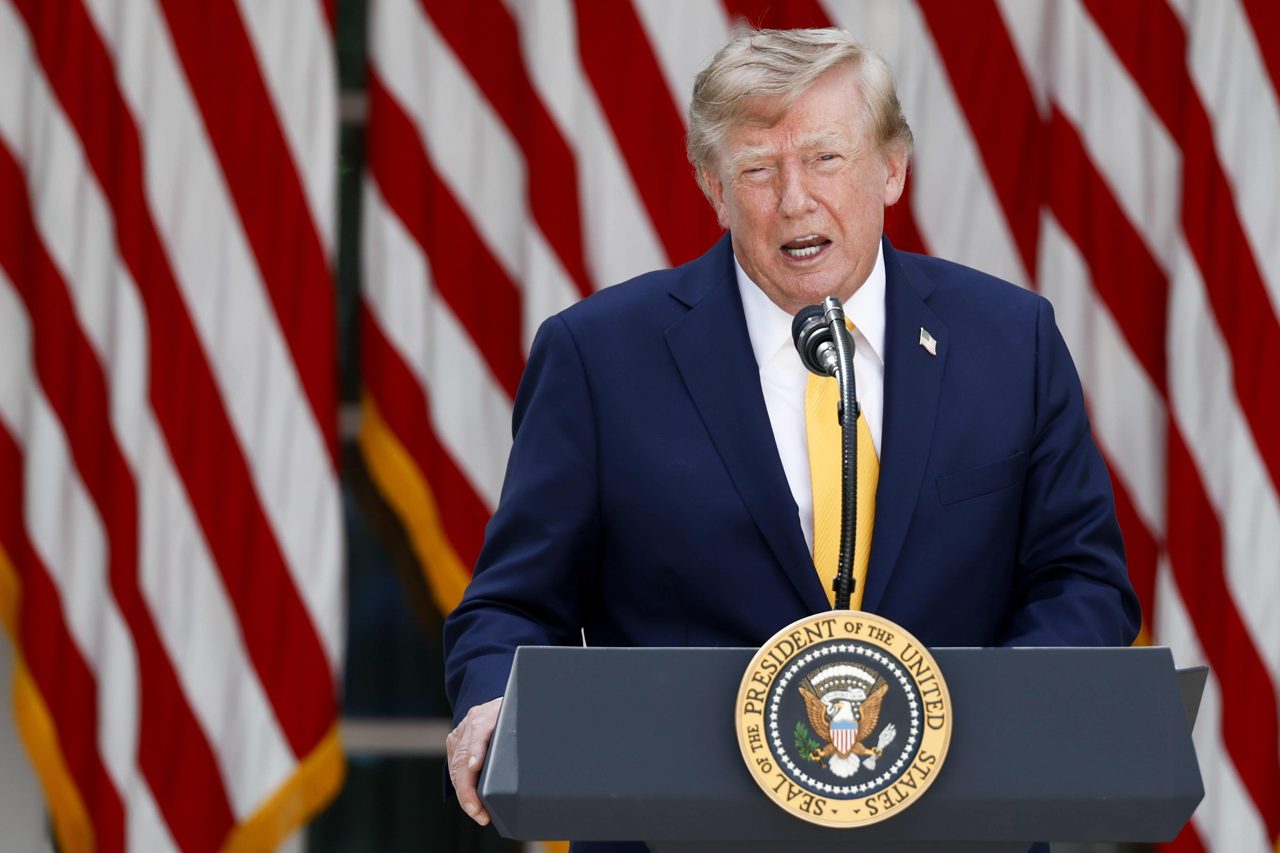
President Donald Trump announced Friday that the United States has secured majority control over 65 billion barrels of Venezuela’s proven oil reserves. This represents roughly 20 percent of the South American nation’s total estimated 303 billion barrels.
Trump promised the agreement would substantially lower gas prices for all Americans long into the future. However, energy experts warn that structural and logistical barriers will prevent any near-term relief for U.S. drivers.
U.S. drivers paid an average of $4.08 per gallon nationwide on Monday, nearly 30 percent higher than a year ago according to AAA. Patrick De Haan, head of petroleum analysis at GasBuddy, noted that prices are surging due to Ukrainian attacks on Russian refineries and Middle East supply disruptions triggered by the Iran war.
De Haan added that a new all-time Labor Day record is virtually guaranteed, surpassing the previous high of $3.83 per gallon set in 2012. The Venezuelan agreement will not alter this immediate market trajectory.
Venezuelan oil infrastructure remains in severe disrepair following years of mismanagement, with current production at just 1.2 million barrels per day. This is a steep decline from the country's late-1990s peak of 3.5 million barrels per day.
Rystad Energy estimated in January that returning the country to peak output requires approximately $180 billion in investment through 2040. Secretary of State Marco Rubio stated Friday that the deal will attract nearly $100 billion in private sector investment.
Yet David Goldwyn, a former State Department special envoy for international energy affairs, emphasized that no official terms have been published. "Nothing has been published, so we're really still operating on Tweets and rumors," Goldwyn said.
He noted the agreement will have absolutely no impact on gasoline prices or Venezuelan production for years to come. It remains unclear which companies will fund the extraction or how the deals will be structured, according to Andy Lipow, president of Lipow Oil Associates.
Chevron is currently the only major U.S. oil company active in the country through joint ventures with state-owned PDVSA. The company's production in Venezuela recently increased 15 percent to 280,000 barrels per day this year.
Chief Financial Officer Eimear Bonner stated on a July 31 earnings call that the company expects to grow this output by up to 50 percent through 2028. Even with corporate backing, export terminal limits will severely constrain this growth.
Lipow pointed out that tankers currently wait up to 30 days to load crude due to aging infrastructure and port power outages. Venezuela’s interim President Delcy Rodriguez said the 25-year deal will develop 17 oilfields, initially boosting production to 1.5 million barrels per day.
However, Goldwyn warned that the primary reserves in the Orinoco Belt lack basic infrastructure access. Those specific fields will take five to seven years, at best, to deliver increased production to the market.
Bob McNally, president of Rapidan Energy, highlighted the severe political risks threatening the agreement's long-term viability in both Washington and Caracas. McNally noted that a Democratic president in 2029 would likely reconsider or terminate the arrangement, while a future Venezuelan government could also tear it up.
Consequently, this vast reserve potential remains a distant prospect rather than a near-term factor for global pump prices.