Burnham’s business rates tsar called for £9bn high-street tax cut
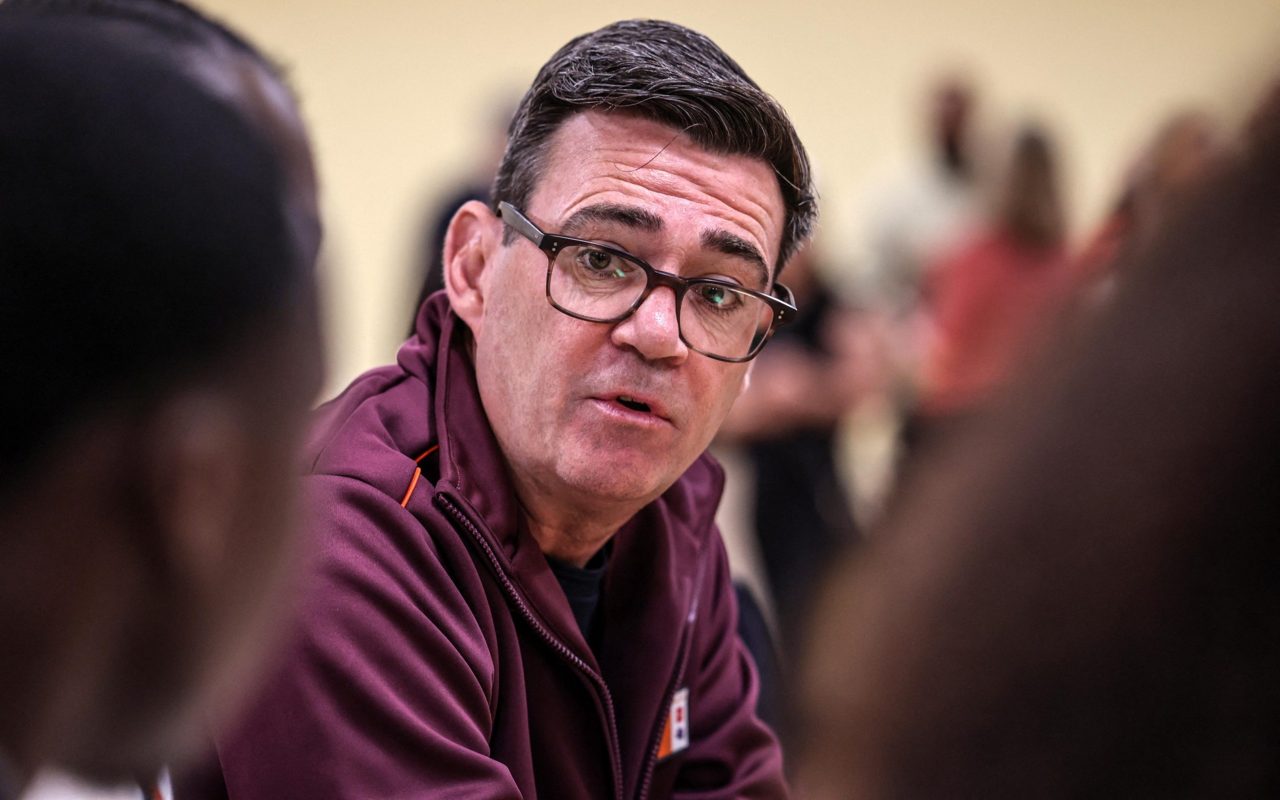
Andy Burnham's new business rates adviser called for up to £9bn of tax cuts for businesses.
Jerry Schurder, who is reviewing the rates system for pubs and hotels, argued in a 2019 submission to the Treasury select committee that business rates had become an "increasingly excessive burden".
Mr Schurder, a former executive at property consultancy Gerald Eve, said the business rates multiplier, a figure used to calculate businesses' property tax, should be reduced by around a third for all companies.
He admitted that a cut of such a "magnitude" would have cost the Treasury between £8bn and £9bn a year. However, he said the change was needed to fix a tax system that had "become out of kilter since 1990".
"Businesses are more understanding of the need to pay taxes when they operate successfully, but feel aggrieved that they have to pay significant business rates at the outset of their ownership or occupation of property, sometimes before they have even opened for trade, let alone made a profit," he said in a written submission to MPs.
Mr Schurder, who was writing in his capacity as head of business rates at Gerald Eve at the time, said the policy could be paid for through tax rises elsewhere.
This included a suggestion to charge business rates on agricultural land and buildings, a move that Mr Schurder said could raise around £450m a year.
The remaining gap could be filled through new taxes, he argued, including the Digital Services Tax , which was introduced by the Conservatives a year later.
The submission gives an insight into the ideas that Mr Schurder may recommend in his new role.
Mr Burnham appointed him this week to lead an independent review of the business rates system for pubs and hotels.
The Prime Minister has vowed to support these high-street businesses, which faced a sharp rise in their property tax bills at the last reevaluation.
Mr Schurder has spent decades arguing for reform. In a LinkedIn post this summer announcing his retirement from Gerald Eve after 46 years, Mr Schurder said he had broken a promise to himself not to retire until business rates had been "fundamentally reformed".
He said the system was in a "far poorer state" than when he first began advocating change.
Mr Schurder will report his recommendations to the Prime Minister next March, before the next business-rates revaluation in 2029.
Any proposals for a steep reduction in business rates would raise further questions about how Mr Burnham could pay for a growing list of tax and spending commitments.
The Prime Minister has been accused of making unfunded promises after vowing to remove VAT from household electricity bills. Mr Burnham said he would pay for the policy through savings from the scrapped digital ID scheme. However, Darren Jones, a former chief secretary to Sir Keir Starmer, said the digital ID scheme was itself unfunded.
Mr Burnham also announced a £100m-a-year business-rates cut for pubs, clubs and live-music venues last month, to be funded through higher charges on vape shops and tougher VAT enforcement against online sellers.
The Digital Services Tax, which Mr Schurder advocated raising to pay for high-street tax relief, brought in around £1bn for the Exchequer last year.
However, it has become a source of tension with the US. Donald Trump has repeatedly attacked levies imposed on American technology companies and put pressure on Britain to scrap the tax.
Try full access to The Telegraph free today. Unlock their award-winning website and essential news app, plus useful tools and expert guides for your money, health and holidays.