China Dissents From G20 Consensus on Curbing Non-Market Export Surpluses
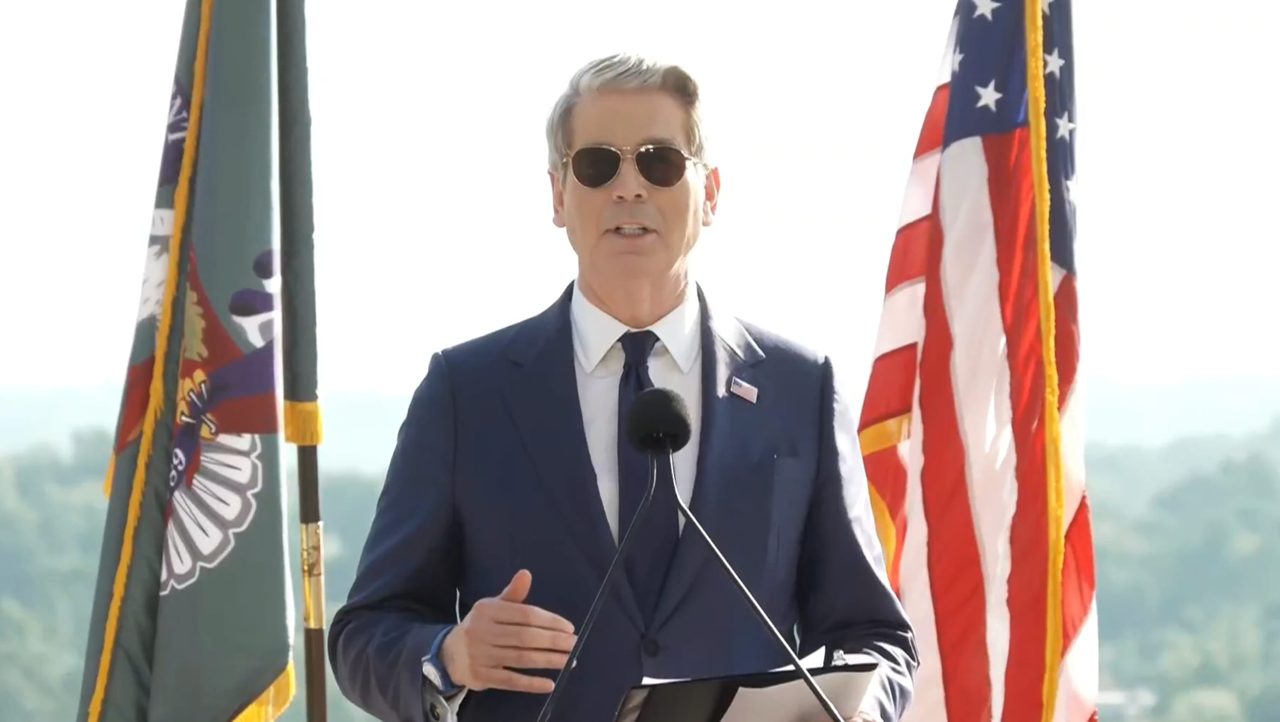
China’s lone objection to a G20 communiqué targeting export-driven imbalances signals rising trade friction, even as US Treasury Secretary Scott Bessent seeks Beijing’s cooperation on Middle East sanctions.
China was the sole dissenter among Group of 20 nations against a joint statement declaring that "non-market based economies pushing out a never-ending stream of cheap exports is not sustainable." Treasury Secretary Scott Bessent confirmed the dissent Tuesday following finance meetings in Asheville, North Carolina.
According to a Treasury Department footnote, Beijing formally objected to language in which the other 19 members agreed "that countries should take steps to eliminate non-market policies and practices that exacerbate imbalances." The contested paragraph specifically asserted that nations with "excessive and persistent external surpluses should remove distortions that constrain domestic consumption and that result in an overreliance on exports for growth."
Chinese delegates also blocked consensus on text addressing shipping disruptions in the Strait of Hormuz, a vital oil route Iran has effectively blocked amid its war with the US. Furthermore, China opposed sections praising International Monetary Fund "surveillance of global imbalances" and highlighting nations where a meaningful share of external debt is owed to G20 members.
This diplomatic fracture signals rising trade friction, as the nineteen agreeing nations plan to act in the coming "days, weeks or months." While Bessent noted he had hoped to announce a unanimous joint communiqué, he stressed that the 19-member agreement demonstrates the sheer enormity of the problem.
These trade tensions unfold as the Trump administration advances Operation Economic Outcast, a strategy using secondary sanctions to isolate Iran’s economy. The campaign raises the stakes for Beijing, which remains Iran’s largest trading partner and primary oil buyer, prompting market questions about potential US targeting of Chinese entities.
Despite the trade disagreements, Bessent emphasized shared interests regarding Tehran, stating that Washington and Beijing have more in common than differences on the issue. He noted that China agrees Iran cannot have a nuclear weapon and recognizes the necessity of free maritime trade, given that the Gulf supplies 50% of China’s energy.
With long-term US-China trade talks ongoing and President Xi Jinping scheduled to visit the United States in late September, diplomatic pressure is mounting. Bessent concluded that it is incumbent upon China to work toward a solution, leaving markets to gauge how Beijing will follow through ahead of potential coordinated countermeasures.