Autonomous aircraft developers race to commercialize cargo and agriculture fleets
Developers of pilotless fixed-wing aircraft are advancing commercial deployments for agriculture and cargo, presenting a potential structural shift in aviation logistics despite stringent regulatory hurdles and union pushback.
A quiet but capital-intensive race is underway to bring autonomous fixed-wing aircraft into commercial service, shifting focus from urban air taxis to practical applications in crop spraying and cargo delivery. Startups and established aviation firms are now testing and deploying pilotless planes designed to operate with minimal human intervention.
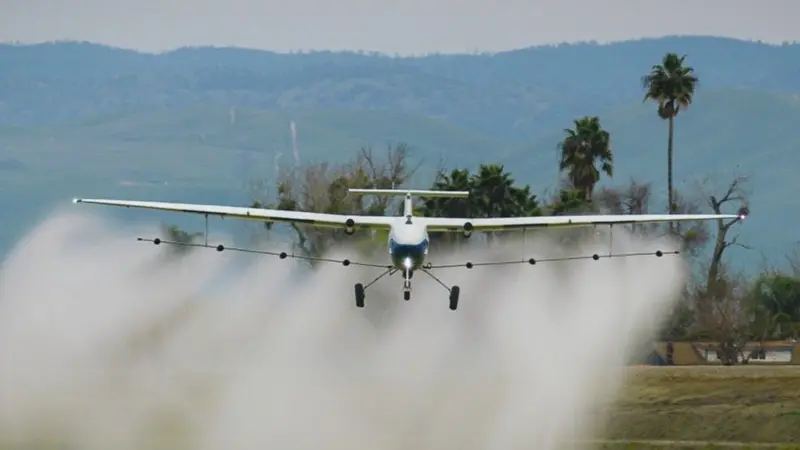
California-based Pyka is leading the agricultural segment, having secured US authorization last year for its fully electric crop sprayer. The company currently produces about two dozen aircraft annually but aims to scale to 1,000 units by 2030, with each plane priced at $550,000. Pyka co-founder and CEO Michael Norcia stated that a fully scaled, ubiquitous passenger operation is the holy grail, adding there is a decent chance they will reach that point before the electric vertical take-off and landing industry.
The economic rationale for autonomous aviation centers on mitigating global pilot shortages and reducing operational costs. Proponents argue that a single ground operator could eventually oversee multiple aircraft, significantly improving asset utilization. Military contracts have also accelerated development, offering companies a testing ground with fewer regulatory hurdles than civilian markets.
However, developers are sharply divided on the technology required to achieve certification. Reliable Robotics, backed by Boeing, is retrofitting Cessna cargo planes while deliberately avoiding artificial intelligence to simplify regulatory approval. Co-founder and CEO Robert Rose noted their forward-looking radar system is better than a pilot's eyeballs, relying on remote pilots for air traffic control communications.
Conversely, Merlin Labs is pursuing an AI-centric strategy, applying its autonomy systems to Lockheed Martin military transport planes before targeting commercial cargo. Founder and CEO Matt George explained that while their problem is harder, they want to move beyond remote piloting by using generative AI to interpret and respond to air traffic control instructions. Pyka is also integrating AI-powered cameras to complement its lidar systems for object detection.
Regulatory barriers remain the most significant headwind for the sector. Aircraft face vastly stricter safety standards than autonomous vehicles, as the consequences for air accidents can just be so severe, according to Stanford University aviation autonomy expert Mykel Kochenderfer.
Industry pushback is already materializing. The US Air Line Pilots Association has condemned the removal of pilots as a serious gamble with safety and a step too far. Additionally, the US National Agricultural Aviation Association warned that small uncrewed aircraft are difficult for manned aviators to see and lack the coverage speed of traditional piloted planes.
While ubiquitous passenger autonomy remains distant, the capital deployed into these automation systems will likely incrementally reshape commercial aviation. The technology pioneered in cargo and agriculture is expected to eventually filter into mainstream fleets, altering long-term operational economics and safety protocols.