Nigerian State Inflation Hits 42% Despite National Cooling
Nigeria’s headline inflation cooled to 15.91% in June, but severe regional divergences pushed price growth above 40% in three states, exposing deep operational risks for investors in Africa’s largest economy.
Data released on Wednesday by the National Bureau of Statistics shows Nigeria’s headline inflation dipped to 15.91% in June, down from 15.93% in May and a significant drop from 25.29% a year earlier. Month-on-month price growth also slowed to 1.66%. However, this national average masks extreme localized price shocks across the country.
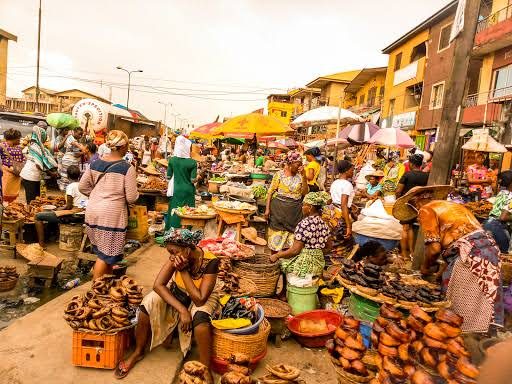
Urban inflation actually accelerated on a monthly basis, rising to 2.13% in June from 1.99% in May, while rural price growth decelerated. This divergence underscores how food, transport, and insecurity are driving asymmetric price pressures rather than broad macroeconomic factors.
Niger State recorded the highest inflation in the country at 42.2% in June, a staggering jump from 3.1% the previous month, with food inflation hitting 43.8%. Kogi followed at 41.6%, driven by the worst national food inflation rate of 53.0%, up from 14.5% in May. The Federal Capital Territory, Abuja, reached 39.9% as stretched supply chains pushed up housing, transport, and food costs.
For market participants, these regional extremes complicate the investment calculus. Kebbi State, which saw inflation more than double to 34.1% in June, holds roughly $14 billion in active investment commitments across agriculture, energy, and manufacturing. Flagship projects include a $4.9 billion iron ore exploration initiative and a $4 billion agricultural programme. Yet, the inflation data shows that residents and businesses are not feeling the economic benefits as transport and food costs outpace incomes.
Similar sharp monthly swings hit other states with major economic profiles. Plateau's inflation surged from 7.1% to 35.8%, while Kwara jumped from 11.7% to 36.5%. Osun climbed to 34.5%, and Benue saw inflation rise from 20.6% to 35.1% as food inflation nearly doubled to 40.8%. Yobe and Sokoto also posted rates above 34%, rounding out a broad regional crisis that contrasts sharply with the national trend.
State governments are deploying aggressive fiscal countermeasures to stabilize their local economies. Sokoto allocated 72% of its N758.7 billion 2026 budget to capital expenditure focusing on infrastructure and agriculture. Benue raised its 2026 budget to N695.01 billion to fund subsidized farm inputs, while Kogi is attempting to raise N50 billion through a sukuk issuance to build an international airport and market.
Despite these multi-billion-naira interventions, the latest NBS data indicates that price pressures remain persistent in the near term. For executives and capital allocators, the numbers serve as a clear warning that national macroeconomic improvements do not automatically translate into stable operating environments at the sub-national level.