CCECC advances Lagos Blue Line Phase II with first T-beam
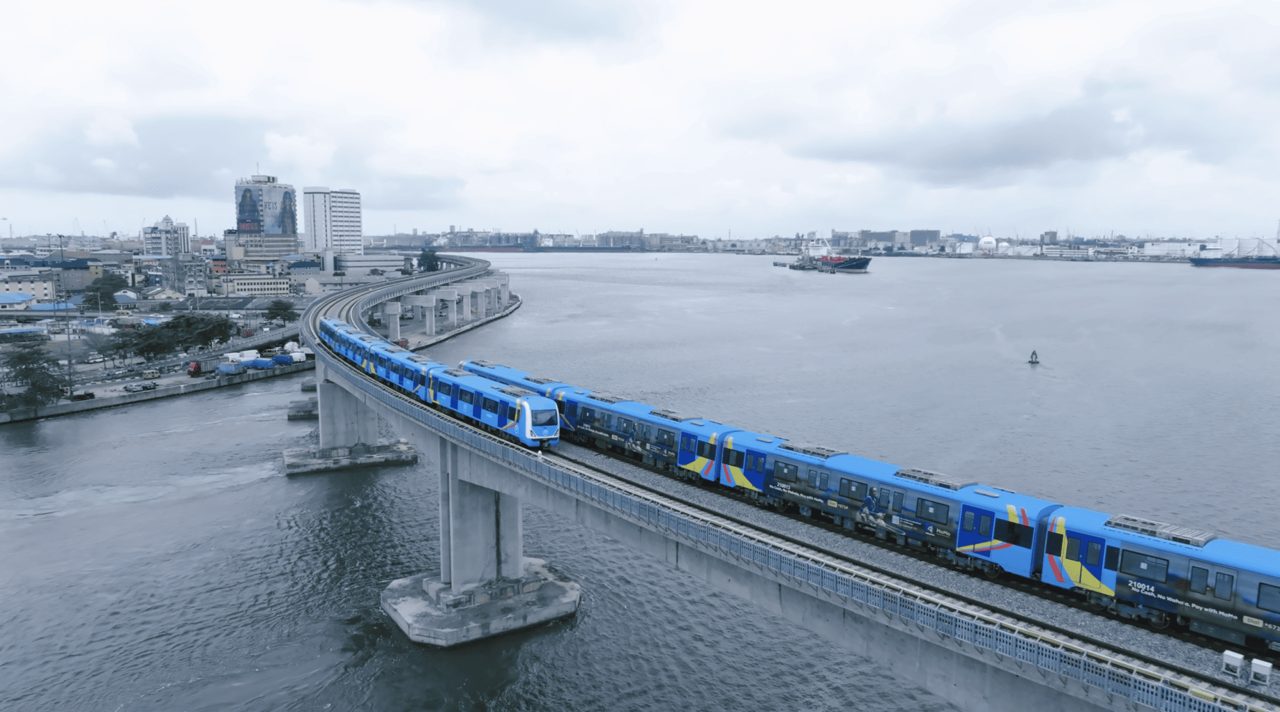
Lagos's flagship urban rail project is expanding its footprint as contractors move into the visible construction phase of a 14-kilometre extension backed by a new long-term operating licence.
China Civil Engineering Construction Corporation (CCECC) has installed the first precast T-beam for the second phase of the Lagos Rail Mass Transit Blue Line. The component forms part of the bridge deck that will carry the railway tracks, marking the transition from foundational piling to visible superstructure construction. The 14-kilometre extension will connect the existing Mile 2 terminus to Okokomaiko.
The expansion is underpinned by the commercial traction of the initial corridor. Since launching commercial operations in September 2023, the 13-kilometre first phase has transported more than 8 million passengers, according to CCECC official John Zhao. “The Lagos Rail Mass Transit-Blue Line, built and operated by CCECC Nigeria, has safely served over 8 million passengers in more than 1,000 days of operation,” Zhao stated. This ridership provides a baseline for the economic viability of the broader transport network.
Phase II represents a significant deployment of civil engineering capital. The project requires replacing the existing Mazamaza Bridge, which structural assessments deemed unsuitable for rail operations, alongside constructing new bridges at Satellite and LASU. Upon completion, the extension will add six stations and a 400,000-square-metre depot at Okokomaiko to centralise maintenance and operations.
The investment case for these infrastructure projects has been bolstered by regulatory clarity. In June, the Nigerian Railway Corporation granted the Lagos Metropolitan Area Transport Authority (LAMATA) a 15-year operating licence covering the Blue Line, Red Line, and future corridors. For project developers and financiers, this framework reduces regulatory friction; new lines completed within the licence period will bypass extensive new approval processes, requiring only final safety inspections before launching services.
Lagos is actively scaling its infrastructure pipeline to match this regulatory framework. The state's transport master plan has expanded from six lines to a total of 11 rail lines and one monorail. Furthermore, the government is exploring an extension of the Red Line into neighbouring Ogun State to strengthen regional connectivity.
To sustain this long-term rollout, LAMATA and CCECC signed an agreement this month to establish a Railway Training Centre. Developing indigenous technical expertise is a critical operational requirement for Lagos as it builds out what is expected to become Africa’s largest urban rail network, limiting reliance on imported operational labour over the coming decades.