MBRF Posts 27% Profit Rise as Analysts Flag Valuation Risks
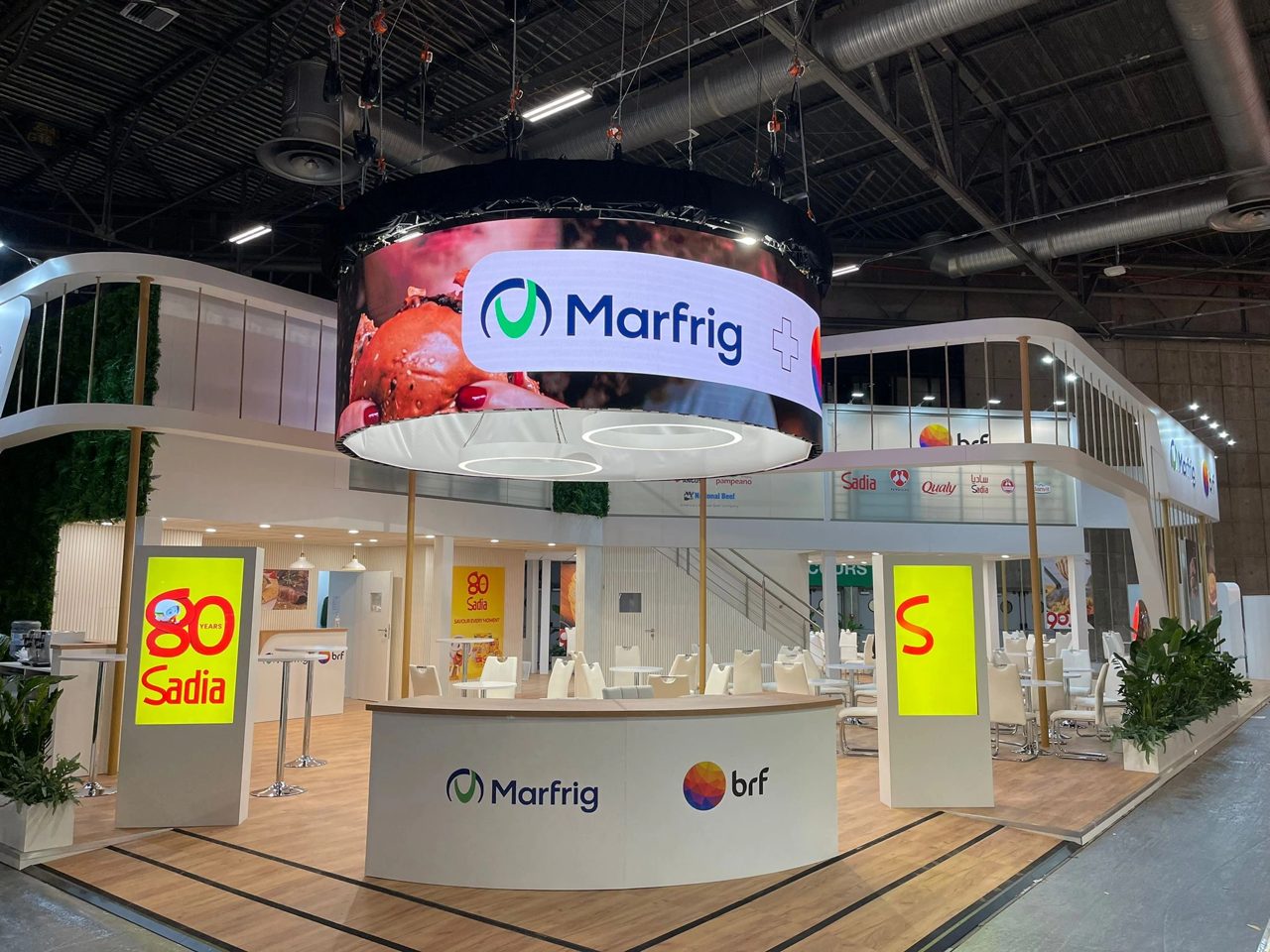
MBRF Global Foods delivered a 27% jump in first-quarter net income, but immediate price target cuts from major brokerages underscore investor concerns over the newly merged meat giant's heavy debt and integration execution.
MBRF Global Foods reported net income of about R$111 million (US$22 million) for the first quarter of 2026, a 27% increase year-over-year. This marks the second consolidated quarterly report since Marfrig fully incorporated BRF in September 2025. Despite the bottom-line improvement, the company noted typical seasonal pressures on its EBITDA.
The earnings growth was not enough to satisfy the market. Both XP Investimentos and Banco Safra trimmed their price targets on MBRF3 shares shortly after the release, though they did not disclose specific new levels. The dual downgrade by two of Brazil's most influential brokerages suggests analysts see limited near-term upside, likely weighed down by the group's roughly R$40 billion (US$7.9 billion) net debt load and the complexities of post-merger integration.
The company now operates as a single listed entity with combined annual revenue of about R$152 billion (US$30 billion), directly challenging JBS for the title of Brazil's largest meat processor. The consolidation eliminated a cumbersome governance overlap where Marfrig previously held a 50.49% stake in BRF while both traded separately. Marfrig shareholders, including the Molina family's controlling 41.5% stake, now hold 57% of the combined group.
MBRF's sheer scale makes it a proxy for global protein demand and currency fluctuations. The company generates 43% of its net revenue from the United States and 20% from Asia. Furthermore, 38% of its sales come from higher-margin processed foods, pet food, and plant-based proteins, diversifying its exposure away from raw commodity cycles.
Management's focus now shifts to delivering on promised financial engineering. The merger is expected to unlock about R$805 million (US$159 million) in annual synergies within 12 to 18 months, alongside the monetization of an estimated R$3 billion (US$592 million) in tax credits. Executives have also indicated the simplified structure could pave the way for a fiscal headquarters relocation and a New York listing, directly rivaling JBS's own planned NYSE debut.