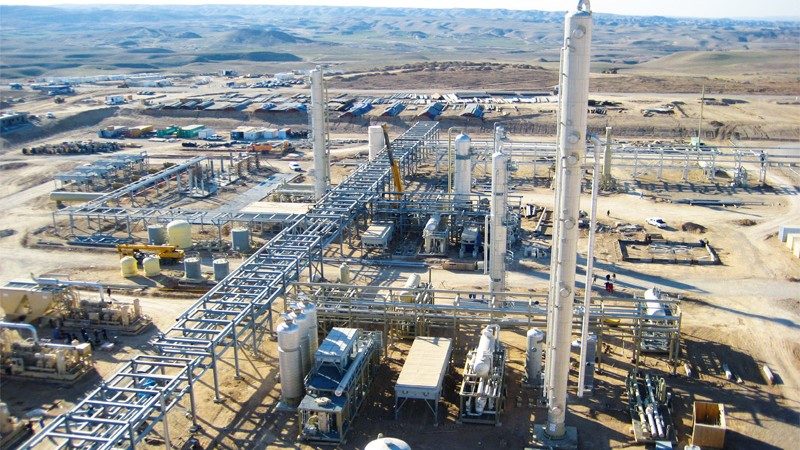
India becomes global swing producer for refined fuels
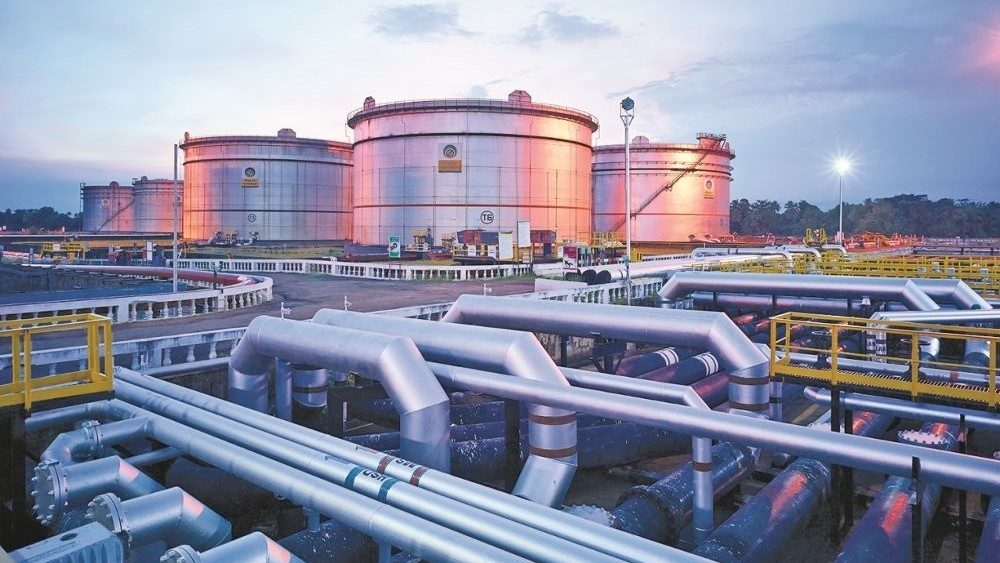
India is rapidly taking over the role of global swing supplier for refined fuels, redirecting millions of barrels to wherever margins are highest as rival refining hubs suffer war damage and underinvestment.
India is on track to export roughly 1.4 million barrels per day of refined products in July, a 50% increase from May and the highest monthly volume since September, according to data from Kpler. Rather than relying on fixed trade routes, Indian refiners are routing diesel, jet fuel, and gasoline to whichever market is currently offering the highest premiums.
This flexibility was on display over the past two months. When Middle Eastern trade flows were disrupted by the Hormuz crisis, more than 80% of India’s diesel exports pivoted to Africa, leaving Europe entirely without supplies. European buyers had largely blocked fuels made from Russian crude, forcing them to look elsewhere while Indian cargoes chased the most acute global shortages.
For investors, the appeal of India’s refining sector lies in its resilient crude sourcing model. The country imports nearly 90% of its crude oil, yet avoids single-supplier risk. While Russian oil accounts for over half of India's imports this month, refiners also pull from Iraq, Saudi Arabia, the UAE, the United States, West Africa, and Latin America. The strategy prioritizes processing economics over geopolitics, allowing Indian companies to buy discounted crude and export high-value fuels.
India’s ascent comes as the rest of the world’s refining capacity contracts. Ukrainian drone strikes have repeatedly crippled Russia’s refining infrastructure, forcing Moscow to restrict diesel, gasoline, and jet fuel exports. Simultaneously, Middle Eastern refineries are operating below normal rates due to regional conflict, leaving European diesel inventories exceptionally tight.
Unlike its struggling competitors, India is aggressively expanding. The International Energy Agency projects the country’s refining capacity will grow 15% by 2030, supported by annual investment growth averaging 23% over the past five years. As aging plants in the West close and war-damaged facilities in Eastern Europe and the Middle East falter, India is absorbing the available market share.
However, this new swing producer role introduces regulatory risks for global markets. This week, New Delhi nearly doubled export duties on diesel and jet fuel while cutting the levy on gasoline. The government is clearly intent on securing domestic fuel supplies before allowing refiners to capitalize on global price spikes. For global markets, India now dictates who gets diesel and jet fuel, but local policy will ultimately decide how much of it actually leaves the country.