US 25% tariff shields Brazil commodities, exposes industry
Washington's new 25% tariff exempts over 1,600 categories of Brazilian commodities but leaves industrial exporters facing margin compression and potential earnings downgrades.
The United States has implemented a 25% tariff on Brazilian goods that deliberately shields the country's core commodity exports while penalizing its manufacturing sector. More than 1,600 product categories are exempted from the levy, protecting a vast share of Brazil's export value to its northern neighbour.
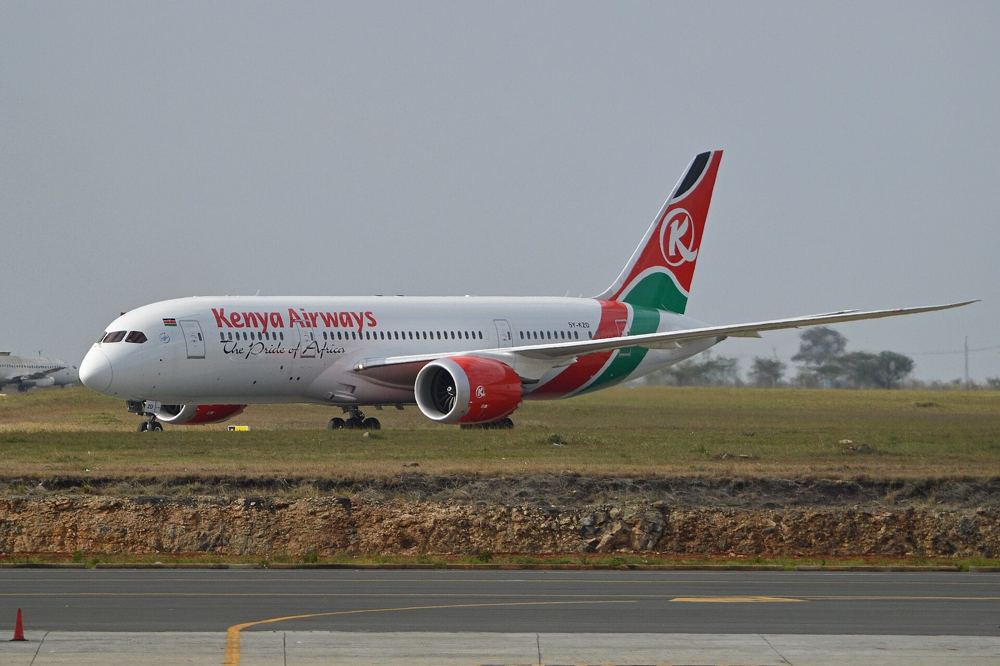
Flagship agricultural and mining exports are entirely spared. Coffee, beef, iron ore, crude oil, rare earths, fertilizers, pharmaceutical compounds and wood pulp all avoided the tax. Crucially, aircraft and aerospace parts, representing a critical high-value bilateral trade flow, were also explicitly carved out from the measure, alongside organic chemicals, fruits and nuts.
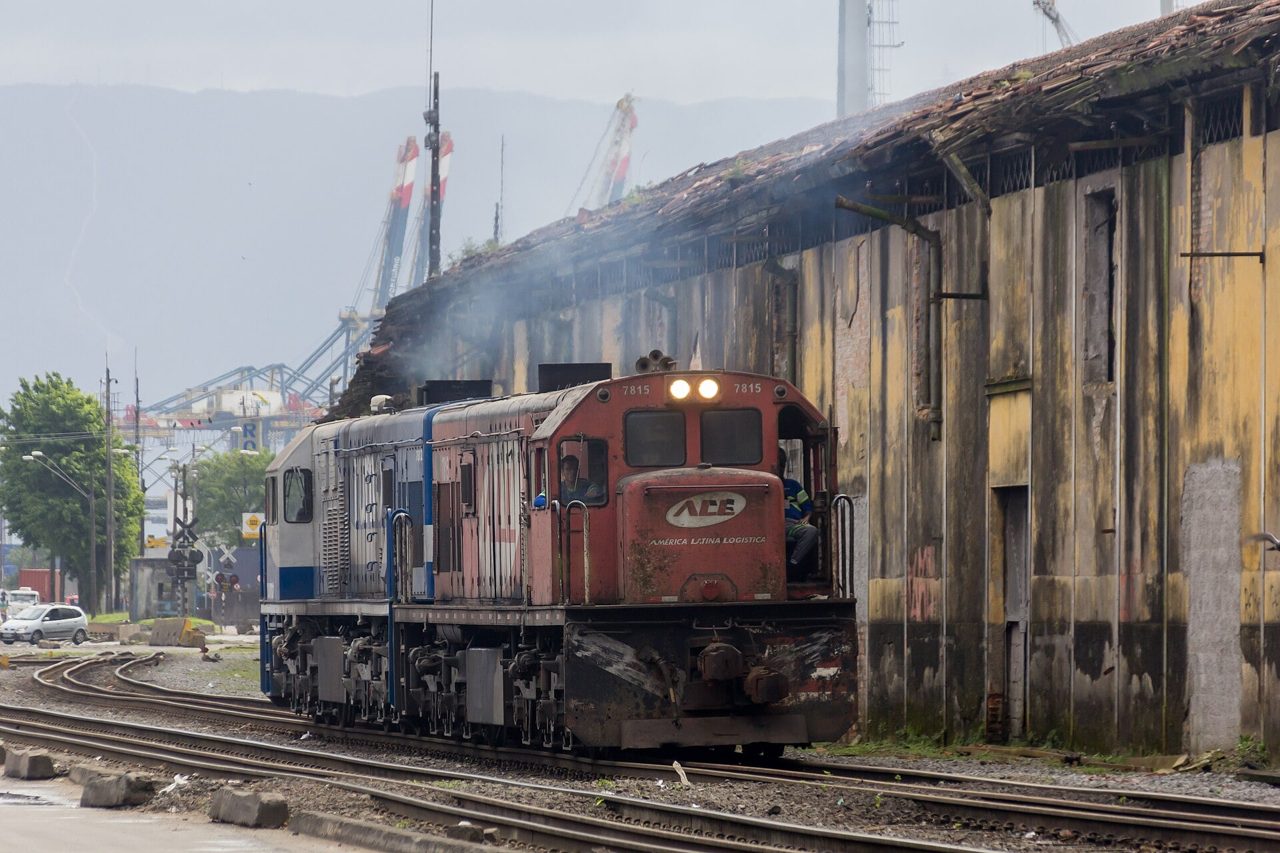
The burden falls squarely on processed and manufactured goods. Footwear, textiles, apparel, timber, ornamental stone, sugar, ethanol, pig iron and seafood remain fully exposed to the 25% levy. These targeted sectors represent areas where Brazil has spent years building integrated supply chains to serve the US market.
This policy split creates a two-speed reality for investors holding Brazilian assets. Equities and bonds tied to commodity producers face little direct disruption from the tax. Conversely, companies operating in exposed industrial sectors must now navigate supply-chain reorganization. They are forced to price in higher landed costs, raising the material risk of margin compression, contract losses and subsequent earnings downgrades.
Domestic industry groups have sharply criticized the uneven application of the levy. The Federation of Industries of São Paulo (Fiesp) warned the tariff directly harms Brazilian export competitiveness. The Brazilian National Confederation of Industry (CNI) stressed that the measure hits products where Brazil is a top US supplier and cautioned that it "harms companies in both countries."
Brasília is opting for diplomacy over immediate retaliation. Brazil’s trade minister said the government will push for a negotiated deal if the tariffs are enforced. Officials view the extensive exemption list as a signal that Washington recognizes its strategic reliance on Brazilian commodity flows. The government now hopes to leverage that logic in negotiations to secure relief for the industrial sectors left exposed to the levy.