Brazil top court targets R$7.3bn public pay loophole
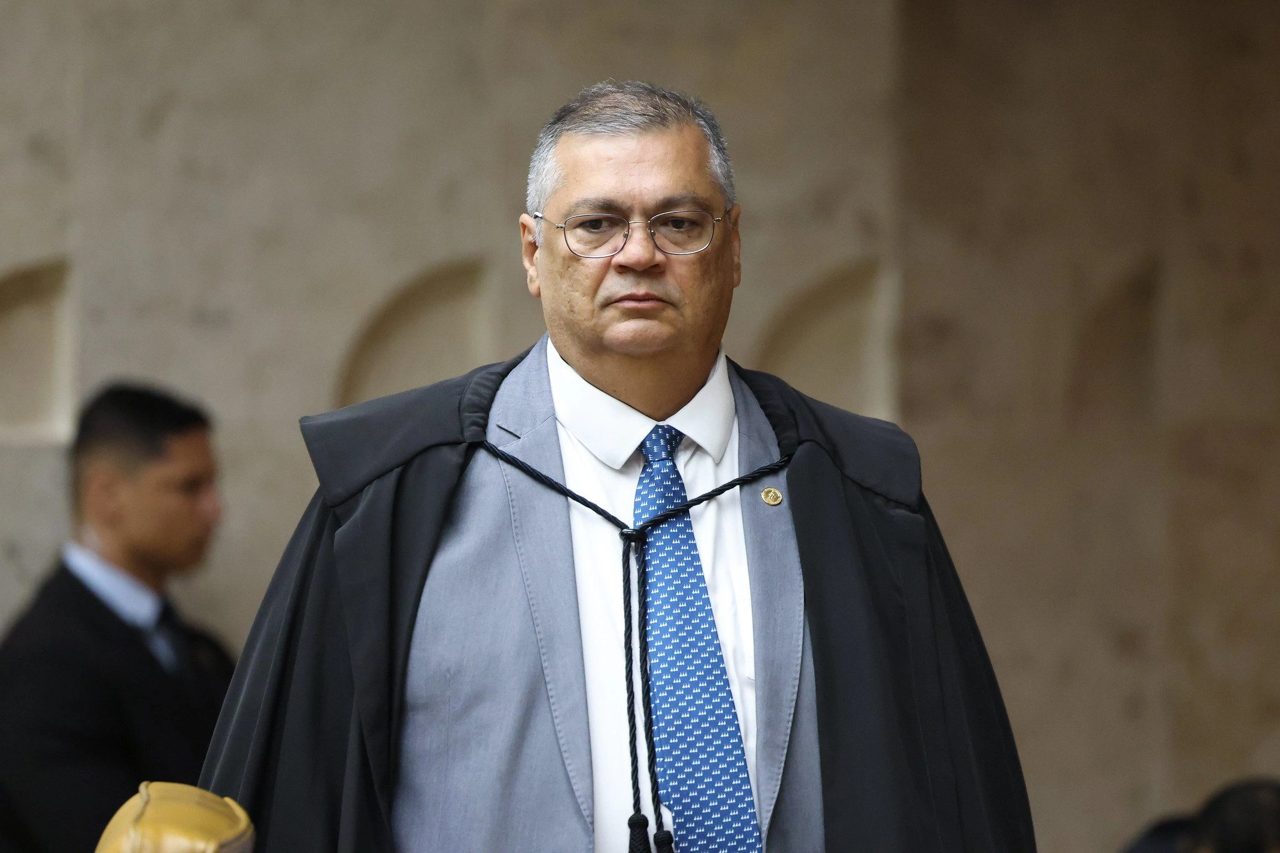
Brazil’s Supreme Court has ordered a nationwide suspension of extra public sector benefits to enforce a constitutional salary cap, a move that could save R$7.3 billion annually but triggers a major institutional clash with the federal audit court.
On February 5, Justice Flavio Dino of Brazil’s Supreme Court issued an injunction immediately suspending "penduricalhos"—extra benefits and allowances that push public sector compensation above the constitutional ceiling—across all branches and levels of government.
The ruling requires government entities to audit these payments within 60 days and halt any lacking explicit legal authorization. For investors tracking Brazil’s fiscal trajectory, the financial stakes are significant: the court estimated in March that enforcing the cap could yield R$7.3 billion (roughly US$1.3 billion) in annual savings.
The scale of above-cap spending has drawn intense scrutiny. In 2024 alone, the Brazilian Judiciary spent R$6.7 billion on remuneration exceeding the constitutional limit, with judges receiving an average of R$270,000 in extra pay over the year. These additions now account for over 43% of magistrates' net income, pushing the Judiciary's total cost to 1.6% of Brazil’s GDP, a share that outpaces international norms.
Institutional clash over 'teto duplex'
Dino’s order directly contradicts the Federal Audit Court (TCU), which has authorized a "teto duplex" mechanism. This interpretation applies the monthly cap of R$46,366.19 to each individual benefit or position rather than a person's total income, legally permitting double-dipping through accumulated roles and pensions. A federal management secretariat document previously argued the Constitution prohibits "any remuneration or advantage exceeding the established limit."
The Supreme Court's intervention comes days after Congress advanced projects that could hike staff salaries from around R$30,000 to R$70,000 per month. Dino responded by prohibiting lawmakers from creating new legislation authorizing above-ceiling pay until a definitive law is passed.
The crackdown faces immediate legal friction. The São Paulo State Court has appealed the blanket suspension, warning it creates "federative asymmetry," "systemic legal uncertainty," and "irreversible financial effects." São Paulo’s Finance Department, however, countered that enforcing the ceiling is "decisive for controlling Executive spending" and would save the state R$1.3 billion a year.
Despite the pushback, the Supreme Court is escalating its enforcement. Dino and Justice Alexandre de Moraes have demanded explanations from seven state courts after identifying individual monthly compensation packages reaching R$495,000.