Light exits Brazil restructuring after $296m capital raise
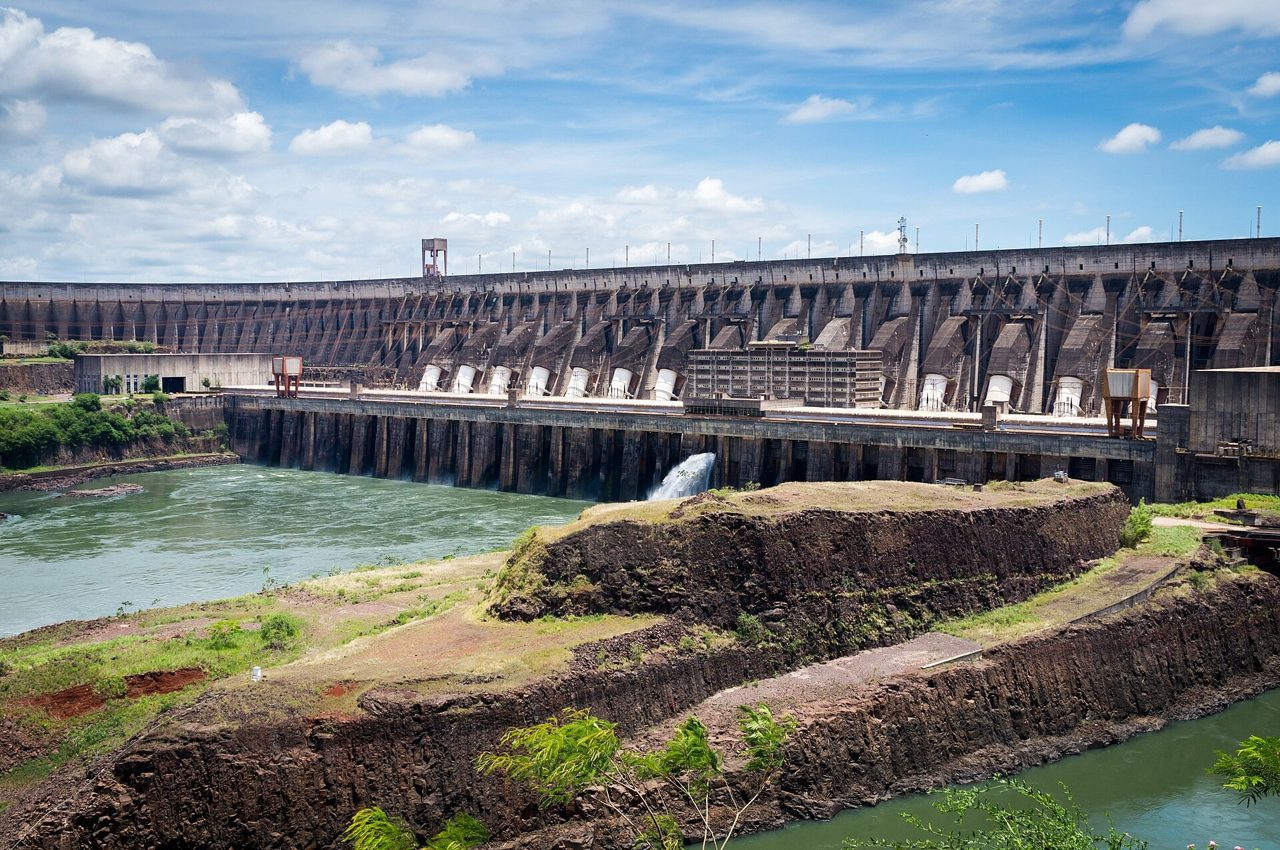
Rio de Janeiro power distributor Light has secured a $296 million capital injection, clearing the way to exit court supervision, slash its debt burden and unlock billions in grid investments.
Light S.A. has completed a R$1.5 billion ($296 million) capital increase in July 2026, meeting the final condition to exit its court-supervised restructuring. The Rio de Janeiro power distributor issued 238.5 million new common shares at R$6.29 each, bundled with subscription warrants that reduced the effective price to roughly R$2.10.
The operation was anchored by three major stakeholders. BTG Pactual, investor Ronaldo Cezar Coelho, and 3G Capital's Carlos Alberto Sicupira collectively provided approximately R$870 million of the initial R$1.24 billion raised. Existing shareholders utilized preemptive rights to participate and limit dilution.
Light originally filed for judicial recovery in May 2023 burdened by roughly R$11 billion ($2.2 billion) in debt. Fulfilling this cash injection triggers the second pillar of the restructuring: a debt-to-equity swap converting up to R$2.2 billion ($434 million) of creditor claims into convertible debentures.
This deleveraging is expected to cut Light's net debt from around R$9 billion ($1.8 billion) to under R$6 billion ($1.2 billion). The resulting leverage ratio will fall below 3 times net debt to EBITDA, a level that compares favorably to other listed Brazilian power distributors.
The plan avoided the severe haircuts typical of such restructurings. Small creditors with claims up to R$30,000 will receive full payment within 90 days. Larger financial creditors can choose to convert 40% of their debt into equity, with the remainder repaid over eight years at inflation plus 4% interest, or opt for full repayment over 12 years at inflation plus 2%.
Looking ahead, CEO Alexandre Nogueira signaled the utility intends to return to credit markets later in 2026 to issue new debentures. A cleaner balance sheet also unlocks a R$10 billion to R$12 billion investment pipeline over the next five years to modernize the grid and curb commercial losses from energy theft across more than 30 municipalities.