Hormuz Oil Chokepoint at Risk as US-Iran Truce Collapses
A temporary US-Iran peace deal has collapsed amid mutual threats of destruction, putting the Strait of Hormuz—a conduit for 20% of global oil—at risk of immediate military conflict.
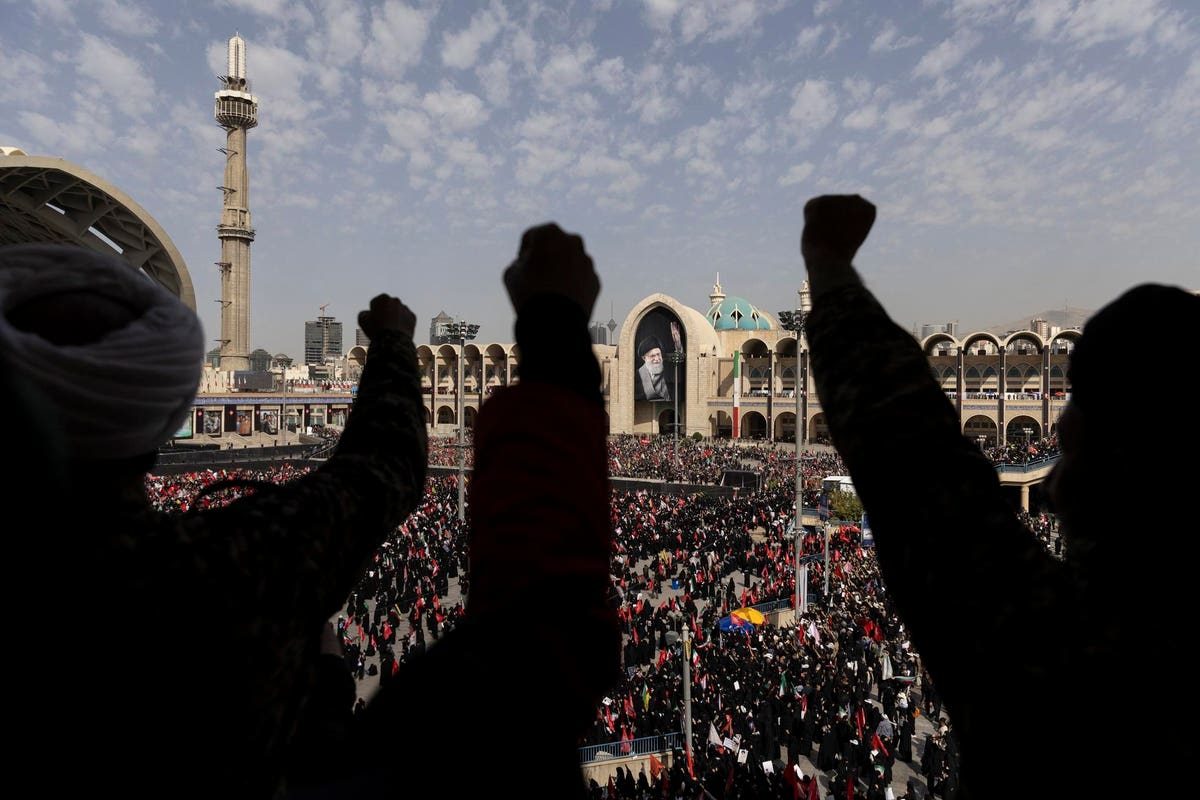
President Donald Trump declared a temporary ceasefire with Iran "over" and threatened to "completely decimate and destroy all areas of Iran" with missile strikes. The escalation follows the funeral of Iran's late supreme leader, where his son and successor, Mojtaba Khamenei, vowed revenge against the U.S.
In a Friday post on Truth Social, Trump said the U.S. military has "1,000 missiles" aimed at Iran, with "thousands of more to immediately follow" if the Iranian government attempts to assassinate him. He specified this destruction would last "for a one year period of time, subject to extension." The president also repeated previous threats to target civilian infrastructure and Kharg Island, a heavily fortified terminal that accounts for 90% of Iran's oil exports.
Oil supply chokepoint targeted
The collapse of the June memorandum of understanding directly threatens a critical node of global energy infrastructure. The deal had mandated a cessation of military operations and the opening of the Strait of Hormuz, a narrow waterway where roughly 20% of the world's oil passes. Instead, both sides have traded strikes in the Strait and other areas of the Persian Gulf this week.
For energy markets, the specific targeting of Kharg Island and the Strait of Hormuz elevates the risk of a severe supply shock. The 60-day negotiation period established in June has failed to produce a breakthrough on the future of the Strait or Iran's nuclear program. The recent skirmishes indicate that military operations in the shipping lanes are already resuming despite the prior agreement.
Contradictory diplomatic signals
Iran's new supreme leader used his father's state funeral to signal an uncompromising response. Mojtaba Khamenei stated that "revenge is the demand" of Iran and will be carried out against "criminals, whose names are known from top to bottom," according to Axios. He did not explicitly name Trump. Photos from the dayslong funeral procession showed large signs calling for the U.S. president's death. Khamenei added that revenge for his father's assassination "will be accomplished" whether he is dead or alive.
Trump's timeline for the escalating threats has been highly volatile. Less than 12 hours before his Friday missile warning, the president claimed the U.S. agreed to an Iranian request to continue peace talks. This directly contradicted his earlier statements this week that further negotiations were a "waste of time."
The whiplash in U.S. posture leaves market participants with limited visibility into whether a broader military campaign is imminent or if the aggressive rhetoric is a tactical pressure maneuver ahead of potential renewed talks.