US airlines see World Cup traffic bump, eye inbound travel recovery
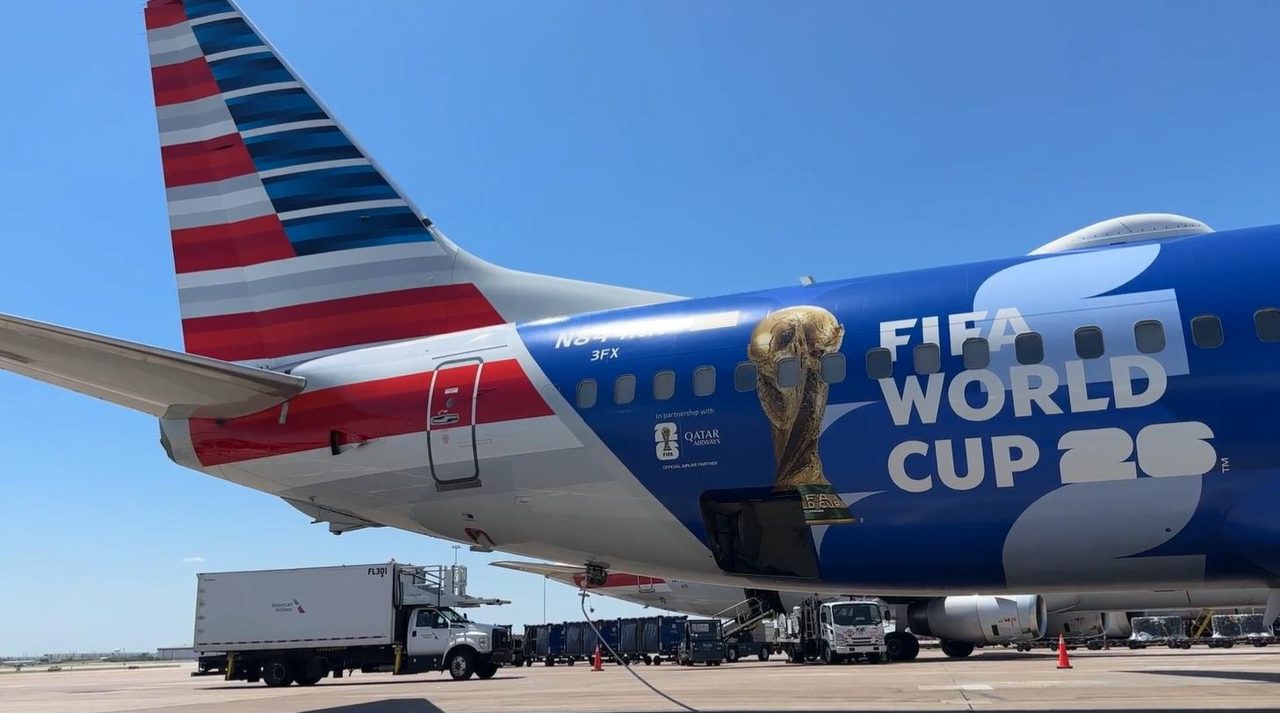
The 2026 World Cup is driving a measurable increase in domestic flight demand for US carriers, but its greater significance lies in potentially reversing a stubborn decline in international inbound traffic.
US airlines are reporting a tangible traffic lift from the 2026 World Cup, though executives suggest the tournament's most valuable impact may be long-term rather than immediate. As Delta kicked off the industry's second-quarter earnings on Friday, the carrier and its peers outlined how the soccer tournament is shifting travel patterns across North America.
The capacity additions by the carriers are substantial. American Airlines, the official North American airline supplier for the tournament, has added 27,000 seats across 12 routes to host cities. A spokeswoman noted the carrier has operated 158 specifically added or upgauged flights since the tournament began. United Airlines, which reports earnings on July 16, recorded a nearly 20% jump in bookings to host cities from June 11 to June 27.
Delta's leadership, however, cautioned against overestimating the near-term financial windfall. “We’re the beneficiary of World Cup,” said chief commercial officer Joe Esposito. “That's not significant enough to make a huge difference to the quarter, but we see it flight by flight.” He noted that demand is highly localized, surging as fans rush to specific match cities.
The deeper strategic value for investors lies in the tournament's potential to accelerate the recovery of international inbound travel. Transatlantic routes have recently suffered from softer foreign point-of-sale demand, a trend Delta attributes to trade tensions with Europe and Canada. Esposito noted that US point-of-sale now accounts for over 80% of Delta's transatlantic traffic.
CEO Ed Bastian argued the World Cup serves as a global advertisement for US tourism that could help correct that imbalance. “I do think it'll have an impact on the mix in terms of having greater inbound participation in the next year,” Bastian said. “And while it may not change our specific market choices, I do think it'll enhance the mix.”
A sustained shift back toward foreign point-of-sale traffic would carry significant margin implications, as inbound international travelers typically purchase higher-yielding premium cabins. American, which reports on July 23, will likely detail its own World Cup metrics, having scheduled over 2,400 peak-day departures to host cities in June and July. For now, the tournament represents a reliable short-term demand floor and a possible catalyst for a broader transatlantic recovery.