Salesforce leadership shuffle before Dreamforce fuels growth concerns
The promotion of Miguel Milano to operating chief just weeks before Salesforce's flagship conference has sharpened investor questions about the company's AI revenue trajectory and slowing organic growth.
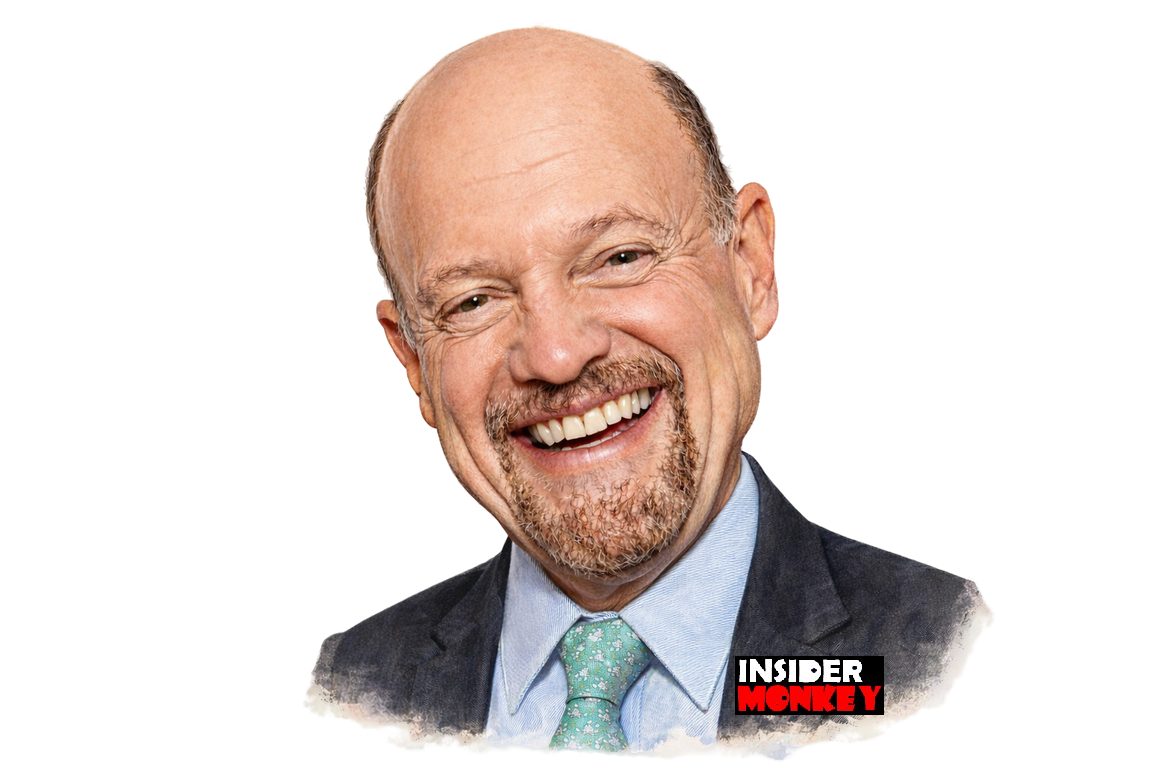
Salesforce promoted Miguel Milano to the role of operating chief, a move that landed just weeks before the company's annual Dreamforce conference and triggered public concern from CNBC host Jim Cramer about the timing of the transition.
Speaking on his August 6 morning segment, Cramer acknowledged Milano's credentials but flagged the proximity to Dreamforce as a risk. "We're not that far from Dreamforce, so I'd hate to see any turmoil there," he said, adding that he "didn't want to see that departure," a reference to the exit of an unnamed executive that preceded Milano's elevation.
The reshuffle matters because Milano previously served as chief revenue officer, the executive most directly tied to Salesforce's monetisation of Agentforce, its AI product line. Any disruption in that function ahead of the company's most visible customer-facing event raises questions about near-term AI sales execution.
Growth signals are mixed
The leadership news lands against a backdrop of decelerating momentum. In fiscal Q1 2027, Salesforce posted revenue of $11.13 billion, up 13.3% year on year, and earnings that jumped more than 50%. Yet management held full-year support-and-subscription guidance at 12% growth, below the 14% pace delivered in Q1.
Complicating the picture, $444 million of the quarter's top line came from the Informatica division, meaning it reflected acquired rather than organic business. For investors trying to gauge underlying demand for Salesforce's core CRM and AI offerings, that distinction matters.
Valuation reflects caution
The market's scepticism is visible in the numbers. Salesforce trades at a forward price-to-earnings ratio of 14.51, well below ServiceNow's 31.15 and Oracle's 18. Short interest stands at 4.15% of the float, sharply higher than the 0.74% recorded for European rival SAP.
Shares have fallen 19% over the past 12 months and 22% year to date, placing Salesforce among the weaker performers in enterprise software.
Hedge-fund positioning has also softened. In Q4 2025, 115 of the 1,041 funds tracked by Insider Monkey held a stake in Salesforce. By Q1 2026, that number had slipped to 101 out of 1,022 funds, a modest but notable retreat.
The bull case still rests on AI
Supporters argue that Salesforce's entrenched enterprise relationships give Agentforce a distribution advantage few competitors can match, potentially allowing the company to shift away from its traditional seat-based licensing model. Cramer himself has repeatedly drawn a line between Salesforce's legacy software business and its AI ambitions, suggesting the two should be valued differently.
Whether Milano's promotion stabilises or complicates that narrative will become clearer at Dreamforce, where Salesforce typically unveils product roadmaps and fields questions from its largest customers. For a stock already under pressure, the conference is the next concrete test of investor confidence.