China's luxury home sales jump 38% but analysts see no broad property recovery
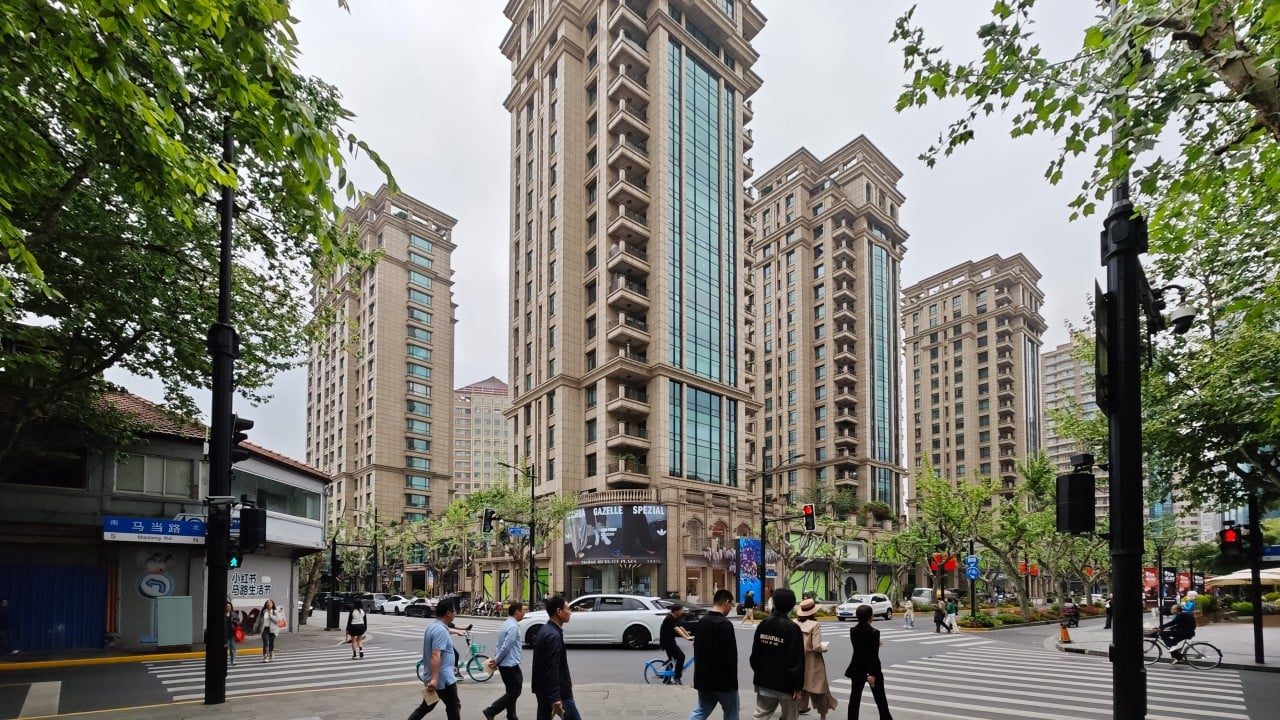
A surge in purchases of 30 million- to 50 million-yuan homes signals wealth accumulation at the top, yet the broader residential market that anchors a quarter of China's economy remains stuck.
Sales of Chinese homes priced between 30 million and 50 million yuan rose 38 per cent in the first half of the year, according to data from a real estate consultancy, as newly enriched buyers in the country's top cities moved to upgrade their properties.
The buying is concentrated among high-net-worth individuals riding the gains from China's technology boom, who are spending billions of yuan on luxury residences in tier-one markets.
Yet analysts are quick to caution that the segment represents a sliver of the mainland's vast property industry. Higher transaction volumes and firmer prices at the very top end are not, they argue, evidence of a sector-wide turnaround.
"Most middle- and low-income people are still taking a cautious stance on homebuying," said You Liangzhou, owner of the Baonuo property agency in Shanghai. "It is too early to conclude that a full-scale recovery has taken shape."
For investors tracking Chinese equities, credit markets and macroeconomic data, the distinction matters. Real estate and its linked industries, from construction materials to home appliances, account for roughly a quarter of China's economic output. A genuine recovery in housing would ripple through employment, consumer spending and local-government finances.
What the luxury uptick does not provide is that ripple. The demand is driven by a narrow cohort of buyers whose purchasing power is largely insulated from the mortgage-rate sensitivity, employment anxiety and negative wealth effects that continue to suppress the mass market.
A crisis five years in
The current downturn traces back to borrowing restrictions imposed on developers in mid-2020, which exposed heavily leveraged balance sheets across the industry. A cascade of defaults followed from 2021 onward, with China Evergrande Group among the most prominent casualties.
Those failures erased household savings tied up in unfinished projects, deepened buyer caution and turned what had been the economy's chief growth engine into its most persistent drag. Five years on, the scars remain visible in subdued land-sale revenues, elevated developer debt and a stock of unsold inventory that continues to weigh on prices outside the luxury tier.
What it means for markets
The 38 per cent figure is likely to feature in promotional material from developers and local governments eager to project momentum. Portfolio managers, however, will note that the underlying data set covers a market segment measured in the hundreds of transactions rather than the hundreds of thousands.
Until middle-income demand stabilises and developers regain access to affordable funding, the property sector's contribution to growth will remain constrained. The luxury rebound, in that reading, is a symptom of wealth concentration rather than a leading indicator of recovery.
For now, the gap between the penthouse market and the mid-market remains the defining feature of Chinese real estate, and a key variable for anyone modelling the country's growth trajectory into the second half of 2026.