SpaceX shares sit 33% below peak as Musk targets $1 trillion in revenue
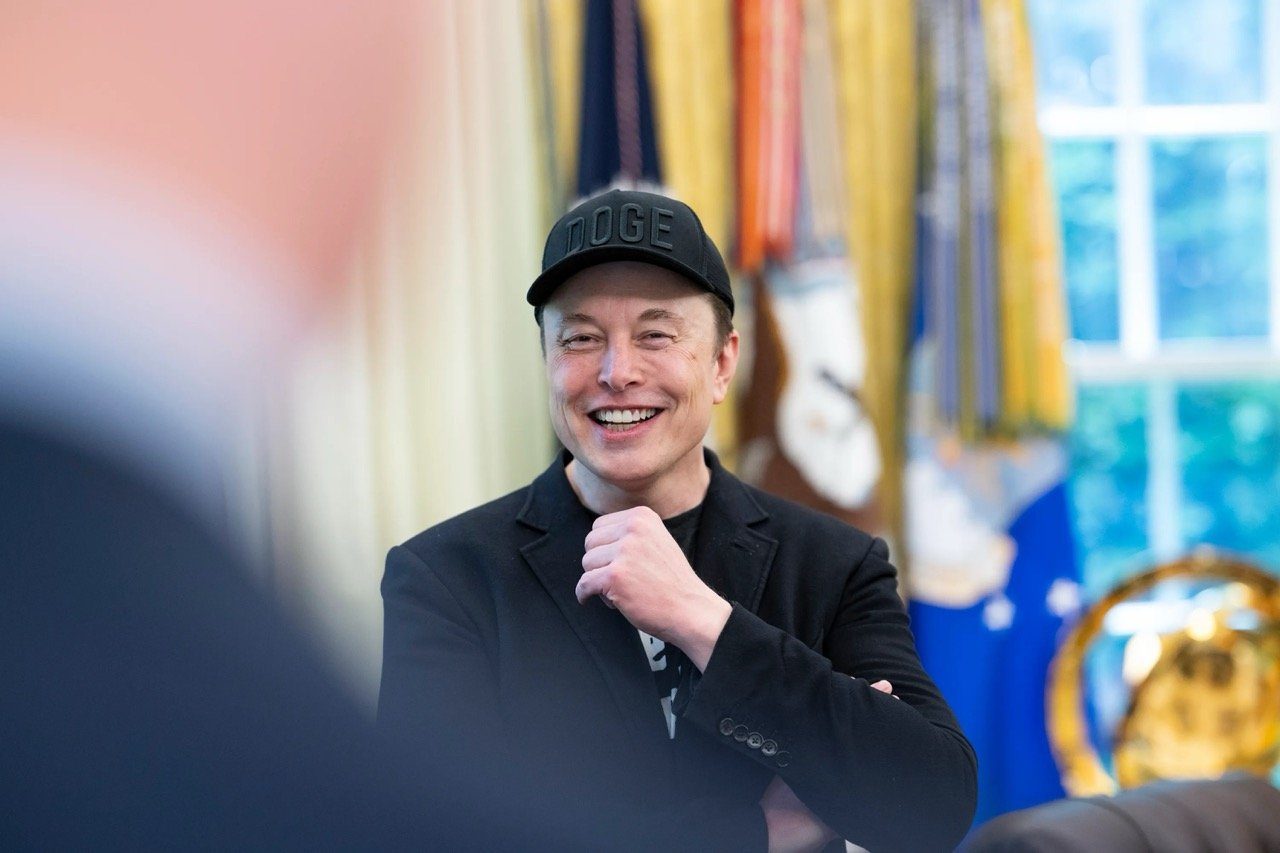
Elon Musk told investors SpaceX will scale from $18.7 billion in 2025 revenue to $1 trillion by 2030 on AI data center demand, yet the stock has fallen a third from its post-IPO high.
Space Exploration Technologies (NASDAQ: SPCX) is trading a third below its all-time high despite Chief Executive Elon Musk projecting that revenue will grow roughly 53-fold over the next five years. On the company's first earnings call since completing the largest initial public offering in history, Musk said SpaceX will reach $100 billion in annual recurring revenue by the end of 2026 and $1 trillion by 2030.
No company has ever generated $1 trillion in revenue in a single year. The market's skepticism is visible in the share price.
From rockets to data centers
The growth thesis rests almost entirely on artificial intelligence infrastructure rather than the rocket and satellite business that built the company's reputation. Capital expenditures hit $19 billion in the most recent quarter, the bulk directed at constructing AI data centers.
Musk cited agreements with Alphabet and Anthropic as anchors that could push ARR to the $100 billion mark by December. Because AI compute capacity remains scarce, SpaceX can lease processing power to outside parties even when those parties compete with its own AI software offerings.
The capital math
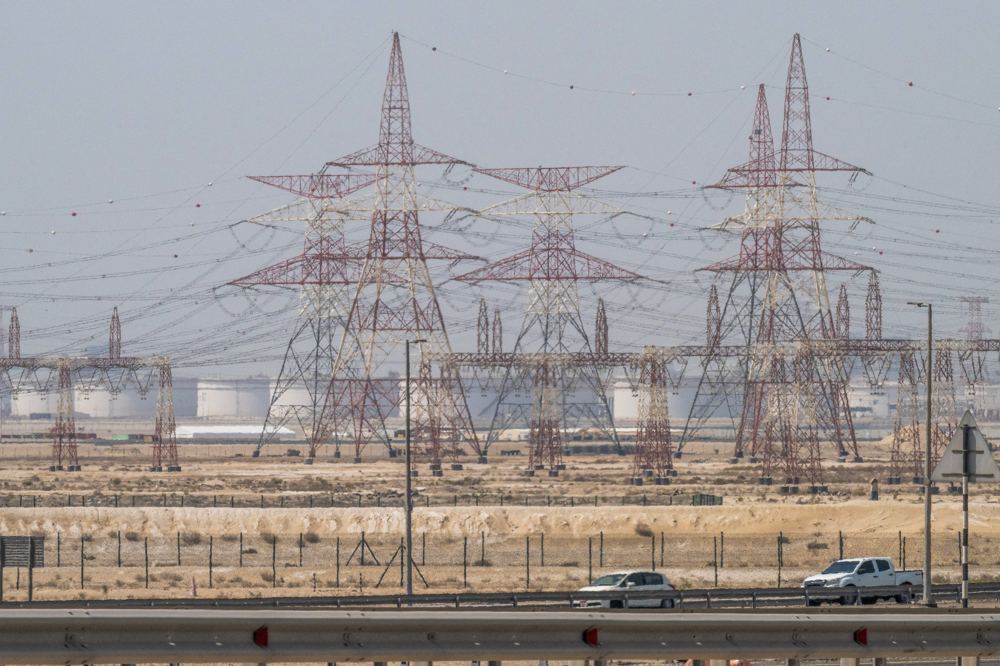
Delivering on the plan requires staggering investment. Musk expects to add between 15 and 20 gigawatts of electric power capacity for current and future data centers by the end of next year. With the cost of commissioning a single gigawatt approaching $50 billion, the total buildout could require up to $1 trillion in capital spending on power infrastructure alone.
Investors weighing the stock must decide whether the revenue projections justify that burn rate, particularly given the 33% drawdown already registered since the IPO.
Orbital ambition and residual space revenue
Beyond terrestrial facilities, SpaceX is developing a concept for data centers in Earth orbit, using solar arrays outside the atmosphere to eliminate power costs. Musk framed the orbital program alongside ground-based operations as jointly sufficient to support the $1 trillion target.
Starlink internet subscriptions and third-party rocket launch contracts will continue contributing revenue, though Musk acknowledged that if the company reaches $1 trillion by 2030, the overwhelming majority will come from AI data center contracts.
What investors should watch
The near-term test is whether Alphabet and Anthropic agreements convert into the $100 billion ARR figure by year-end. Failure to hit that milestone would undermine the credibility of the longer-range projection and likely pressure shares further.
For now, the stock prices in considerable doubt. Whether that doubt reflects rational risk assessment or a mispricing of an unprecedented infrastructure buildout is the central question facing anyone considering a position in SPCX.