Shipping Fatalities and US Gulf Strike Fuel Oil Rally
The first Red Sea shipping fatalities in over a year, alongside a US strike on a sanctions-breaching vessel, highlight escalating maritime risks that are sustaining a sharp rally in crude oil prices.
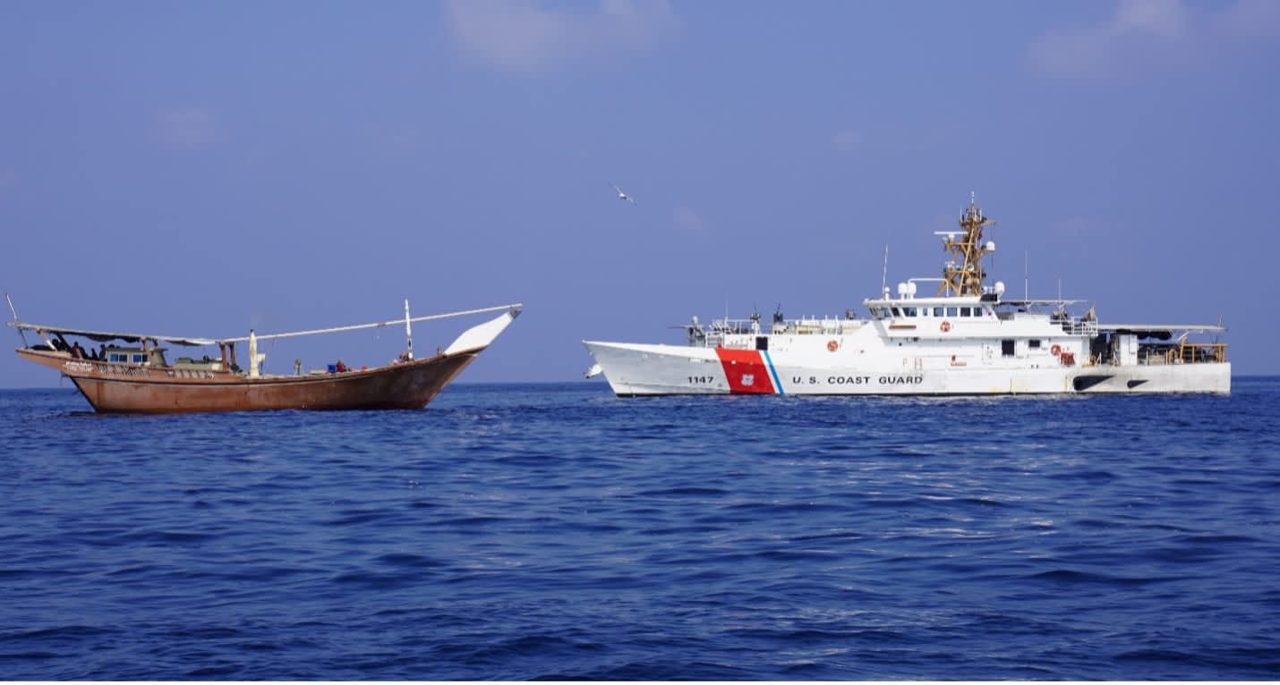
Houthi forces killed six people aboard the Tihamah cargo vessel in the Bab el-Mandeb Strait on Tuesday, marking the first fatalities from Red Sea attacks in over a year. Hours later, the US Navy disabled the Panama-flagged Vela Nova in the Gulf of Oman after its crew ignored warnings while attempting to breach an American blockade on Iranian ports.
The twin strikes immediately rippled through energy markets, reinforcing a supply shock that has drained traffic through the Strait of Hormuz. The strait handled 20% of global oil trade before the conflict began in late February. Brent crude for October delivery rose 0.6% to $89.44 a barrel on Wednesday, extending a weekly surge of more than 7%, while US West Texas Intermediate for September added 0.7% to $83.80.
The waterway disruptions stem from two separate but overlapping conflicts entering their sixth month. The Iran-aligned Houthis began a naval blockade against Saudi Arabia in the Red Sea on July 20 following the collapse of a Yemeni truce. Washington simultaneously reinforced its blockade on Iranian ports in mid-April, with US Central Command reporting that forces have now redirected 55 commercial vessels, disabled three non-compliant ships and boarded two.
Diplomatic efforts to restore normal shipping flows remain gridlocked. Iran’s Supreme National Security Council has demanded an end to the US naval blockade, sanctions relief, American troop withdrawals and war reparations to reopen the Strait of Hormuz. President Donald Trump has countered by demanding compensation from Iran.
Analysts see little immediate relief from the diplomatic stalemate. "Current rhetoric suggests any potential deal is still some way off, meaning risks remain skewed to the upside for oil prices," said Warren Patterson, ING's head of commodities strategy.
While officials from Pakistan and Qatar offered cautious optimism about back-channel discussions, the market is pricing in prolonged friction. Pakistan's defense minister, Khawaja Asif, noted that "things are shaping up again in favor of a peace arrangement or a deal." A Qatari Foreign Ministry spokesperson also characterized talks between Iran and Oman on a new Hormuz transit corridor as being at a "critical juncture."
The lethal attack on the Tihamah, however, demonstrates the vast gap between diplomatic posturing and the physical risks facing commercial fleets. The casualties included three Pakistani nationals, one Indonesian crew member, and two members of the Yemeni government-allied National Resistance Forces killed during a rescue operation. Yemen's transport ministry held "the Houthi terrorist militias fully responsible for the deaths, injuries and damage inflicted on the commercial vessel Tihamah."