Oil prices rise as Red Sea, Gulf of Oman attacks heighten supply concerns
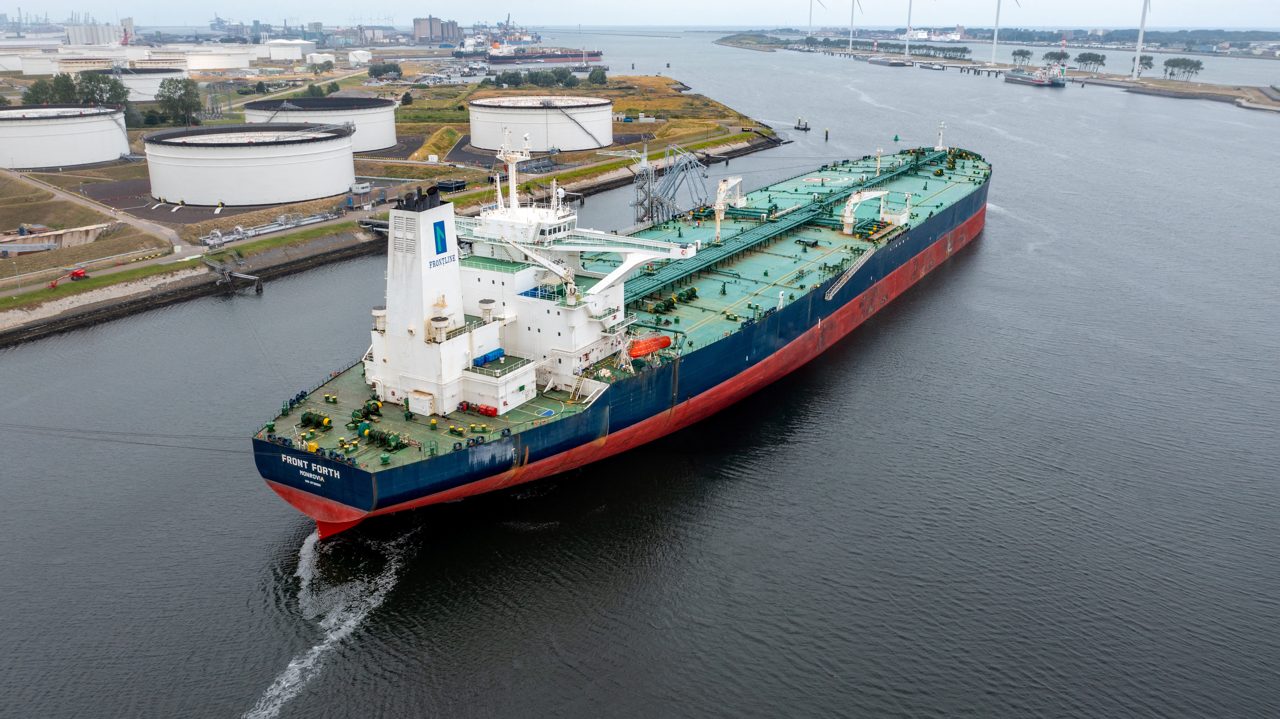
Oil prices rose on Wednesday after deadly attacks on vessels in the Red Sea and Gulf of Oman heightened concerns over risks to global shipping routes.
Oil prices were little changed Wednesday, after deadly attacks on vessels in the Red Sea and Gulf of Oman heightened concerns over risks to global shipping routes.
Brent crude futures, the international benchmark, gained 7 cents to close at $88.98 per barrel. U.S. West Texas Intermediate crude also added 7 cents to settle at $83.27 per barrel.
Iran-backed Houthi rebels killed six people in an attack on a cargo ship in the Bab el-Mandeb Strait on Tuesday, marking the first reported fatalities from attacks on Red Sea shipping in more than a year.
Hours later, U.S. forces said they fired missiles at a container ship that allegedly tried to break Washington's blockade of Iranian ports in the Gulf of Oman.
The incidents underscore the growing impact of the nearly six-month-old war on two key global shipping routes, even as diplomatic efforts toward reopening the Strait of Hormuz show signs of progress.
Interactive Brokers Senior Economist José Torres said concerns over Middle East oil supplies remained prevalent despite signs that the U.S. and Iran may be moving closer to an agreement over the Strait of Hormuz.
Pakistan has expressed optimism that Washington and Tehran could reach an accord, but Torres said markets were still waiting for concrete progress.
"Investors have been awaiting a deal for a few weeks, and tangible progress is likely required for yields to fall significantly and stocks to rally further at this juncture," he said in a note late Tuesday. He also pointed to slightly rising oil prices as evidence that supply concerns stemming from the conflict had yet to dissipate.