Central banks pile into gold as China leads buying spree
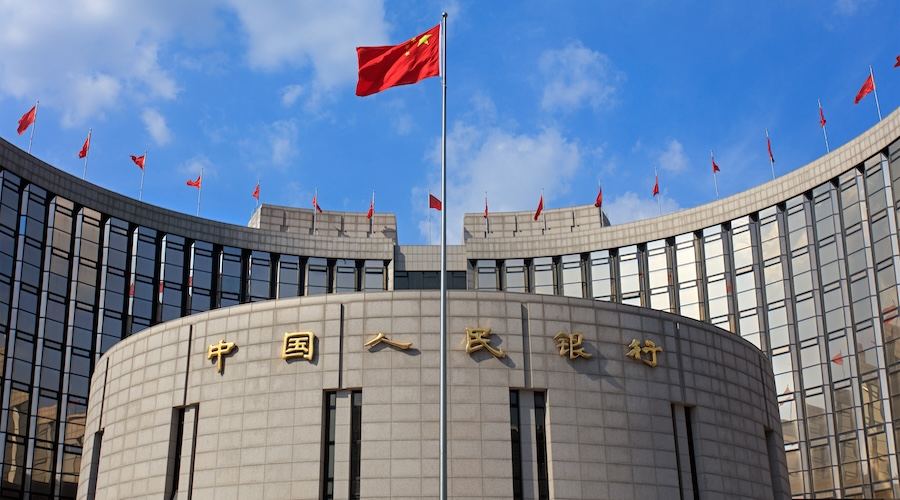
Central banks accelerate bullion purchases as China expands reserves, reinforcing gold's role in global monetary strategy.
Central banks bought an estimated 79 tonnes of gold in August, nearly five times their historical monthly average, as China led a surge in demand for bullion amid efforts to diversify reserves away from the US dollar, according to Goldman Sachs.
Purchases rose from an estimated 44 tonnes in July and far exceeded the pre-2022 average of 17 tonnes a month. Goldman identified China as the largest buyer, accounting for about 25 tonnes of August’s total.
“The latest estimated figures from Goldman Sachs highlight how central banks are increasingly looking to gold as a strategic asset, a way to diversify their reserves and protect against both economic and geopolitical uncertainty,” Rick Kanda, managing director of The Gold Bullion Company, said.
The acceleration underscores a structural shift in global reserve management that has strengthened gold’s appeal beyond its traditional role as a safe-haven investment. Central banks, particularly in emerging markets, have increased their holdings to limit exposure to dollar-denominated assets and potential financial sanctions.
Goldman’s estimates suggest Chinese demand is stronger than official figures indicate. The People’s Bank of China (PBOC) reported adding about 20 tonnes in August, extending a purchasing streak that had lasted nearly two years.
The investment bank calculates monthly demand using trade and flow data rather than relying exclusively on central bank disclosures, which often arrive with delays or omit transactions. Its estimates can therefore exceed reported purchases and remain subject to revision.
China’s accumulation reflects a broader reassessment of reserve security following Western governments’ decision to freeze Russian assets after Moscow’s invasion of Ukraine in 2022.
“I believe central banks are looking beyond gold’s traditional safe-haven appeal and increasingly using it to reduce reliance on the US dollar,” Kanda said. “I suspect China’s significant purchases reflect this wider shift.”
Official Chinese data subsequently showed the PBOC made its largest monthly gold addition in about three years in September, marking its 23rd consecutive month of purchases. October’s figures, scheduled for release around Nov. 7, were expected to provide further insight into the pace of accumulation.
Sustained central bank purchases could provide a long-term foundation for gold prices, particularly during periods when institutional investors reduce their exposure through exchange-traded funds or speculative positions.
Unlike investment funds, which frequently adjust holdings in response to market conditions, central banks typically pursue longer-term reserve objectives and may be less sensitive to short-term price movements.
Goldman considers official-sector demand an enduring feature of the bullion market rather than a temporary buying cycle.
“If these elevated levels of central bank demand persist, gold prices will likely increase over the long term or at least be heavily supported,” Kanda said.
However, central bank buying does not guarantee further gains. Interest rates, investor confidence and geopolitical developments also influence bullion prices, potentially offsetting the impact of official purchases.
“Central bank demand doesn’t necessarily guarantee prices will keep rising, as other factors can offset its impact,” Kanda said. “However, sustained central bank demand could nevertheless help maintain prices over the long term.”
The durability of that support will depend on whether monetary authorities continue accumulating bullion as part of their reserve strategies, even when higher prices make additional purchases more expensive.
The Commission has warned that MMG could redirect ferronickel supplies away from Europe, harming European steel producers.