Russian Fuel Imports Signal Deepening Refinery Crisis
Russia has begun importing gasoline from India, a stark reversal that underscores the severity of domestic refinery damage and signals sustained global fuel supply tightness.
A 42,000-ton cargo of gasoline from Nayara Energy’s Vadinar refinery arrived in Russia on August 5, marking a striking shift in trade flows for a nation that is typically a major fuel exporter. The shipment was loaded in mid-June onto a Russian-flagged tanker, transferred to an Omani-flagged carrier in Egypt, and delivered to Russian shores.
The cargo's origin highlights the complex fallout of Western sanctions on Moscow's energy sector. Vadinar is partly owned by Rosneft, Russia's largest oil exporter, which historically supplied the facility with crude before those shipments were disrupted by US sanctions in November.
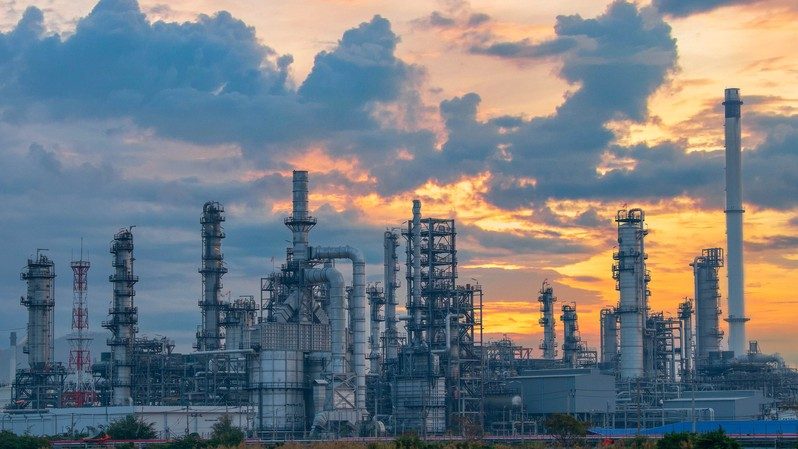
The need to import refined products stems from a severe domestic refining crisis triggered by sustained Ukrainian drone attacks. According to estimates by EA Analytics, Russian refinery runs plummeted to 3.6 million barrels per day in July. This volume represents a drop of more than 30% compared to typical seasonal levels.
As damaged facilities gradually restart, they are pulling crude away from export terminals. Seaborne crude exports dropped to 3.25 million barrels daily in the most recent week, down from 3.5 million barrels the prior week. Over the four weeks through August 9, shipments averaged 3.71 million barrels per day, the lowest such average since May, with drone strikes also directly disrupting port loading operations.
“The emergence of Indian barrels is particularly notable,” said Sumit Ritolia, a lead analyst at Kpler. The shipment illustrates “the severity of the current domestic petrol imbalance, and the extent to which lower refinery runs are reshaping Russia’s traditional product trade flows.”
For global markets, the disruption is rippling outward into broader product deficits. To protect domestic supply, Moscow banned diesel exports earlier this year and recently extended that restriction through December. This removal of Russian supply from the market is compounding global fuel tightness already driven by refinery outages in the Middle East and disruptions at the Strait of Hormuz.