HIF Chile e-fuel certification paves way for $1.3bn scale-up
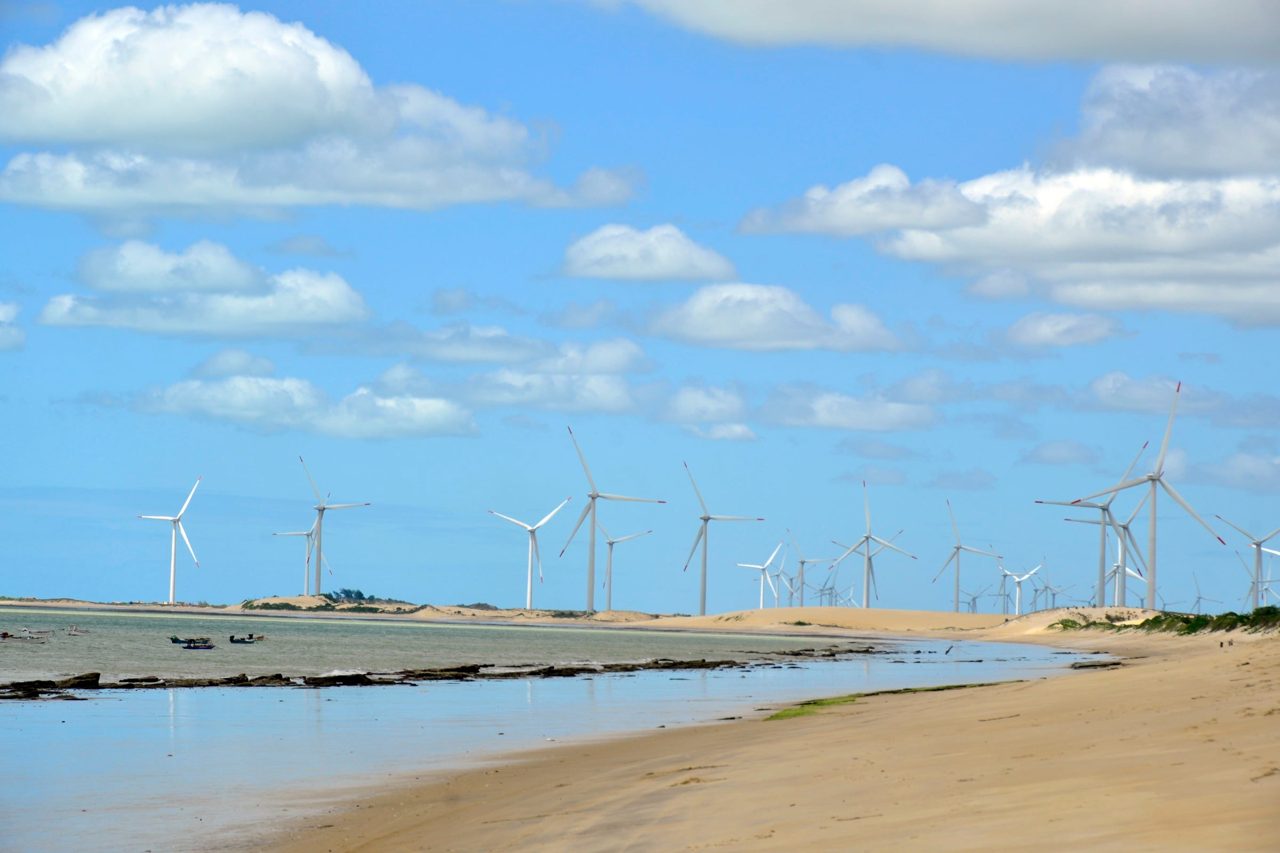
HIF Global has secured the renewal of a critical EU certification for its Chilean e-fuels plant, de-risking its offtake model and unlocking debt financing for a $1.3 billion commercial expansion.
HIF Global has renewed the ISCC EU RFNBO certification for its Haru Oni demonstration plant in Chile, ensuring the facility can continue selling synthetic fuels into the European Union. The renewal converts a one-off pilot validation into an ongoing commercial proposition, giving anchor offtakers like Porsche and Shell the regulatory certainty required for longer-term purchase agreements.
The ISCC EU RFNBO label is the mandatory standard for Renewable Fuels of Non-Biological Origin in Europe, requiring 100 per cent renewable power input and a minimum 70 per cent reduction in lifecycle greenhouse gases. Without this certification, HIF's synthetic gasoline and e-methanol cannot count toward EU transport decarbonisation quotas or command the premium prices necessary to justify production costs. An OECD case study identifies offtake risk as the primary financial hurdle for e-fuels, making this renewal a direct hedge for investors.
HIF's business model rests on the exceptional economics of Chile's Magallanes region, where wind capacity factors reach up to 70 per cent. This baseload-like reliability drives green electricity costs below USD 20 per megawatt-hour, a threshold that gives Chile a structural cost advantage over competitors in Europe and North America. By December 2025, HIF reinforced this advantage by installing Chile's first Direct Air Capture unit at the Punta Arenas site to tighten its carbon accounting.
The certification renewal establishes the regulatory template for HIF's transition from demonstration to commercial scale. The company is now advancing the USD 830 million Cabo Negro synthetic fuels plant, which secured unanimous environmental approval in 2025. The facility will be powered by the Faro del Sur wind farm, a USD 500 million joint venture with Enel Green Power Chile that will deploy 65 turbines to feed 240 megawatts of electrolysers.
Backing this pipeline is a consortium of industrial and financial partners. Porsche, US energy investor EIG, and Baker Hughes participated in a USD 260 million capital increase in 2022. Japanese refiner Idemitsu Kosan provided a further USD 114 million in 2024, pairing its equity stake with long-term purchase agreements tied to Tokyo's 2050 carbon neutrality goals. The company has also signed a memorandum of understanding with Chilean state oil company ENAP to develop a domestic market.
Market participants should now focus on the financial close for the Cabo Negro and Faro del Sur projects. As the EU tightens transport quotas under its RED III directive, any acceleration in sustainable aviation fuel or maritime mandates would directly benefit HIF's pipeline, potentially attracting further strategic capital from refiners seeking certified green molecules.