Zipline taps Tesla, Waymo executives for 15x U.S. expansion
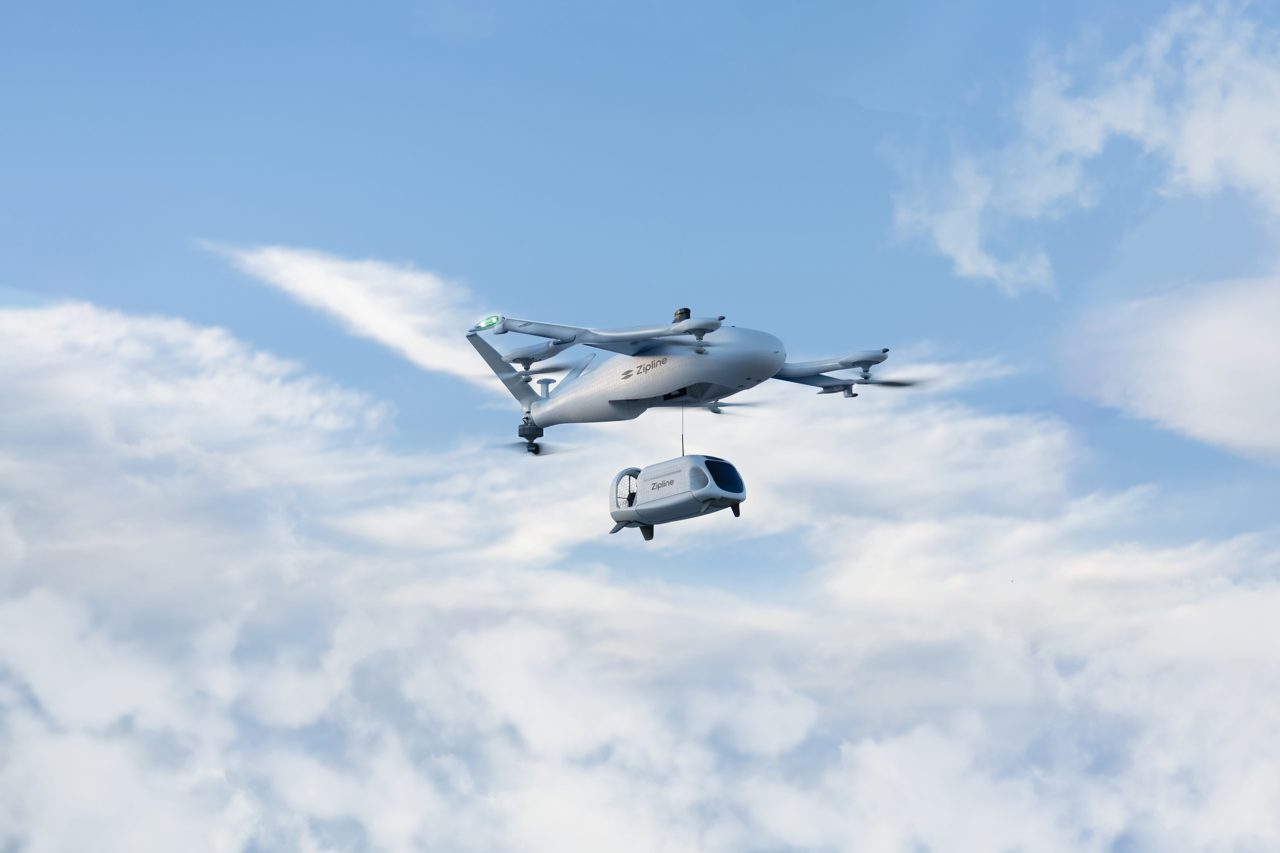
Zipline is stacking its C-suite with veterans from Tesla, Uber and Waymo to execute a projected 15-fold surge in U.S. drone deliveries this year, betting that autonomous logistics can disrupt traditional last-mile transportation.
Zipline has appointed a trio of technology and logistics veterans to its leadership team as the drone delivery startup pursues a massive increase in its U.S. operations. The company named former Tesla vice president of finance Sendil Palani as its new chief financial officer, alongside Kevin Vosen, former chief legal officer at Waymo, and Allen Penn, a former vice president at Uber Eats.
The executive hires signal a deliberate shift to scale a commercial network that is already processing one delivery every 20 seconds. Founder and CEO Keller Rinaudo expects the U.S. operation to grow 15X in the current year, with launches in Austin, Houston and Cleveland following an initial push into Dallas. The company plans to enter "many tens of metros across the U.S. and some new, large international markets" in 2027.
Zipline's expansion targets a logistics market that PwC researchers estimate will swell by 65% annually over the next decade. U.S. drone deliveries are projected to jump from roughly 13 million this year to more than 800 million by 2034. "It's at a crazy inflection point," Rinaudo said. "Everybody is realizing it doesn't make sense to have a 3,000-pound gas-powered, combustion engine vehicle and a person deliver something to your house that weighs five pounds."
Bringing on Palani underscores the operational demands of that growth. Palani told CNBC he views Zipline as a mission-driven organization with related operations in precision manufacturing and charging infrastructure. He spent 17 years at Tesla and joined when the automaker produced just one electric vehicle per day, seeing clear parallels to the mass-manufacturing ramp of Tesla's Model 3. Zipline's South San Francisco factory currently has the capacity to produce 24,000 drones annually.
The commercial buildout marks a strategic pivot from Zipline's origins delivering medical supplies in Rwanda and Ghana, though that African business continues to expand. Today, roughly 70% of its daily volume occurs in the U.S., where its autonomous drones carry payloads up to eight pounds for clients including Walmart, Chipotle and the Cleveland Clinic. The startup has completed more than 2.5 million deliveries since its founding twelve years ago, with one million occurring in the past twelve months.
Despite commanding the largest market share in the U.S., Zipline faces intensifying competition. Rivals include Alphabet's drone division Wing, as well as startups like Flytrex and Matternet. The company's ability to leverage its new C-suite's manufacturing and on-demand delivery expertise will determine if it can defend its lead as the sector matures.