Brazil work week reform may lift bus fares up to 8%
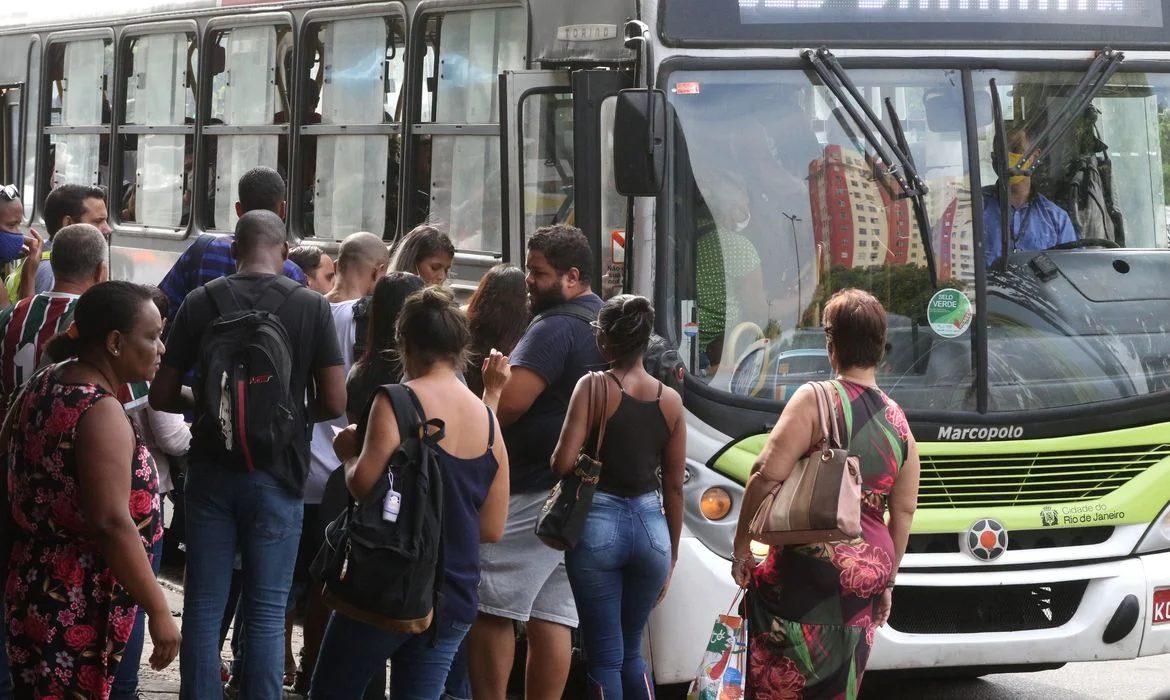
Brazil's move to end the 6x1 work schedule threatens to drive up operating costs for continuous-service sectors, forcing a political choice between consumer fare hikes and strained municipal budgets.
Brazil is advancing a constitutional amendment to scrap the 6x1 work schedule, replacing it with a 40-hour cap and two rest days. Crucially for employers, the reform mandates this reduction without any corresponding cut to worker pay.
While the policy is politically popular, it carries a hidden price tag for sectors that operate continuously. Urban bus companies, private security firms and waste collection agencies cannot simply compress schedules as white-collar businesses might, requiring them to hire additional staff to cover the same weekly hours.
The math is stark for urban transit. Under one industry model, a 100-bus fleet shifting to a five-day schedule would need roughly a quarter more drivers. Because wages account for approximately half of operating costs, that headcount increase is projected to lift total payroll spending by 13% to 15%. A separate analysis by a public research institute found hourly labor costs in land transport could rise nearly 9%.
Faced with these higher costs, the urban bus trade body warns that fares could increase by up to 8% in certain cities if the full expense is passed through to riders. However, urban transport is a regulated public service, meaning operators cannot unilaterally raise prices. Any adjustment requires companies to submit detailed cost studies for review by city halls or local regulators.
Municipal authorities ultimately have three levers: approve a fare increase, widen public subsidies to absorb the gap, or reject the request outright. Many transit systems already rely heavily on subsidies to keep fares below the actual cost of operations. Operators also have internal options to soften the blow before requesting a fare hike, such as revising shifts, cutting overtime or reorganizing routes.
The immediate financial impact will therefore depend heavily on local politics rather than the federal legislation itself. With municipal elections scheduled for October, few mayors will be willing to approve unpopular fare hikes. Subsidies are the most likely short-term answer, but this merely transfers the cost from the commuting public onto city budgets.
The reform is not yet law. The amendment has passed Brazil’s lower house but still requires Senate approval and presidential promulgation. Even then, the changes would phase in gradually over a transition period. Business groups are advocating for a careful, post-election implementation to manage the cost shock, while labor supporters maintain the shorter week is a long-overdue gain for workers.