Tankers Stack Off UAE as Dual Hormuz Levies Freeze Transit
Shipowners are anchoring dozens of tankers off the UAE rather than risk transiting the Strait of Hormuz, freezing a waterway that handles a fifth of global oil consumption as rival US and Iranian toll regimes create an insurance and pricing deadlock.
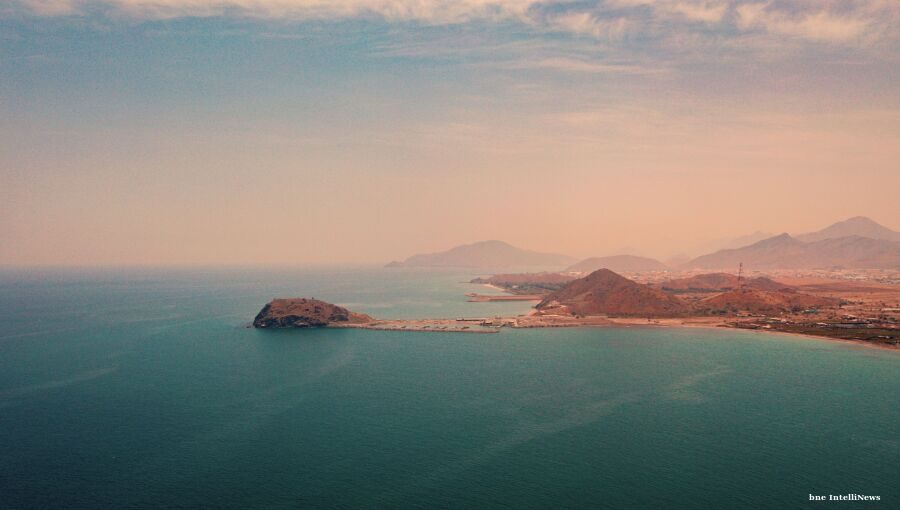
Dozens of tankers have dropped anchor off the coast of the UAE and Oman rather than transit the Strait of Hormuz, according to MarineTraffic data from July 14. Dense clusters of stationary vessels have formed at the Fujairah and Khor Fakkan anchorages, with further buildups off Sohar, while traffic through the strait itself has thinned considerably.
The maritime gridlock follows the abrupt imposition of two rival transit regimes. On July 13, US President Donald Trump declared the strait open "with or without Iran", reinstated a blockade on Iranian shipping and announced a 20% levy on all other transiting cargo. Within hours, Iran's Islamic Revolutionary Guard Corps claimed to have disabled two supertankers in a mined corridor, while Tehran's parliament tabled a bill asserting authority over the waterway.
For shipowners, charterers and war-risk underwriters, the result is a pricing deadlock. Passage now requires navigating the demands of two hostile powers, with Washington demanding its 20% levy and Tehran enforcing its own rial-denominated tolls introduced in April under the threat of mines. The anchorages filling up off the UAE suggest many in the market are simply refusing to price the risk at all.
The stranded traffic threatens a critical artery for global energy. The strait handles roughly a fifth of global oil consumption and around a third of seaborne LNG trade. Any prolonged disruption to these flows will pressure energy prices and test alternative routing capacity.
Vessel-tracking records illustrate a market caught between continuing flows and wartime disruption. The LPG tanker Monarch departed Qatar's Ras Laffan export complex on July 11 bound for China, showing Qatari gas was still moving east before the latest escalation. Meanwhile, the products tanker Ostria was underway from Iraq's Khor Al Zubair towards an offshore holding position, indicating Iraqi refined exports are still attempting to move.
Other ships represent acute flashpoints. The tanker Libra departed Iran's Shahid Rajaei port at Bandar Abbas on July 13, bound for India, just hours after Washington declared Iranian shipping subject to interdiction. Its voyage will serve as an early test of whether the US blockade is actively enforced.
The toll of the uncertainty is visible in prolonged idling. The LPG tanker Danuta I departed Dubai anchorage in late February as the war began, yet only reported an arrival at the nearby Khor Fakkan anchorage on July 15. The vessel appears to have spent nearly five months at anchor. Independent verification of the IRGC's claim regarding the two supertankers is impossible, as the group stated the vessels switched off their navigation systems before entering the mined corridor.