Russian refining craters, lifting diesel prices, as EU buys record LNG
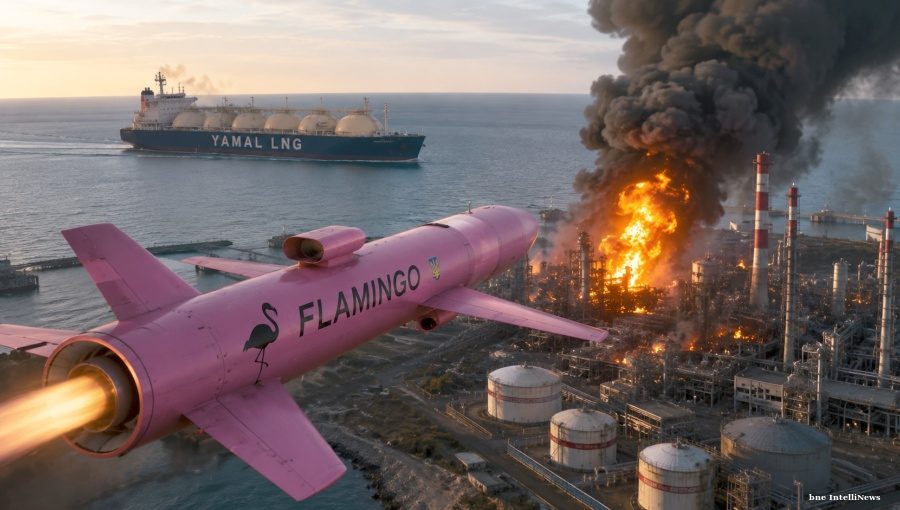
Ukrainian drone strikes have pushed Russian refinery throughput to a 21-year low, tightening global diesel supplies, even as European buyers import record volumes of unsanctioned Russian LNG to meet winter storage targets.
Russian oil production fell to 8.928 million barrels a day in June, the lowest level since early 2024 and 834,000 barrels a day below its OPEC quota. The drop stems from a sustained Ukrainian drone campaign that has pushed crude-processing rates down to 3.91 million barrels a day, the lowest since March 2005. Over the past 100 days, Kyiv has struck all 30 of Russia’s major refineries more than 50 times, increasingly targeting complex cracking and hydrotreating units.
The physical damage has forced Moscow to ban most diesel exports through the end of July, tightening a global market already strained by Middle East disruptions and driving diesel prices to multiyear highs. With domestic fuel crunches deepening, Russia has compensated by flooding the market with unrefined crude. Seaborne crude exports hit a four-week average of 4.13 million barrels a day in late June, the highest since the 2022 invasion.
The Kremlin's room for manoeuvre is narrowing. The geographical concentration of the damage is particularly acute, with all three pipeline refineries supplying Moscow now hit. The capital region accounts for 14 percent of Russia's passenger cars and 40 percent of its air traffic, making localized fuel shortages a politically sensitive risk. The key Moscow refinery at Kapotnya will remain offline for the rest of the year.
LNG boom exposes policy gap
While the oil infrastructure burns, Russia’s liquefied natural gas facilities remain untouched and unsanctioned. European utilities are aggressively front-loading Russian LNG to meet an EU mandate requiring 80 percent storage capacity by November 1. Deliveries from the Yamal LNG plant to EU ports reached 9.97 million tonnes in the first half of the year, a 16 percent increase year-on-year.
More than 97 percent of Yamal’s output went to the EU, with France, Belgium, and Spain leading purchases worth an estimated €5.96 billion. The project is controlled by Novatek, with TotalEnergies and CNPC holding stakes. A 2025 EU ban on trans-shipment has meant more of these cargoes are staying in Europe rather than being re-exported to Asia. Short-term LNG contracts are already banned, but long-term deals are permitted until January 2027, while pipeline gas can flow until September 2027.
Independent energy analyst Sergey Vakulenko noted that despite the unprecedented tempo of attacks, Russia's refining sector remains "battered but not broken," having rapidly restored capacity after drops in late May. However, the cumulative destruction of specialist equipment that requires imported components is slowing repairs. If authorities can no longer suppress the growing petrol deficit, Vakulenko warned the market question will shift to "how they will organize the distribution of a scarce resource."