Iran parliament tables Hormuz bill as US levy clash deepens
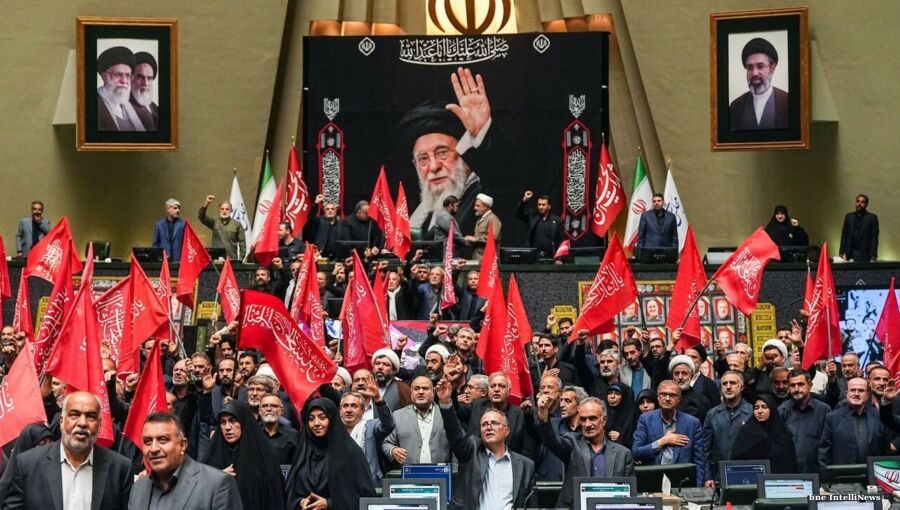
Iran's parliament has introduced a bill asserting control over the Strait of Hormuz, escalating a jurisdictional clash with Washington that threatens to trap shipowners and energy exporters between dual tolling regimes.
Iran’s parliament has formally introduced legislation to manage the Strait of Hormuz, escalating a direct jurisdictional confrontation with the United States over a critical energy chokepoint. The bill, titled the "Strategic Action for the Security and Sustainable Progress of the Strait of Hormuz and the Persian Gulf," was tabled overnight according to Ebrahim Azizi, chairman of the parliament's National Security and Foreign Policy Commission.
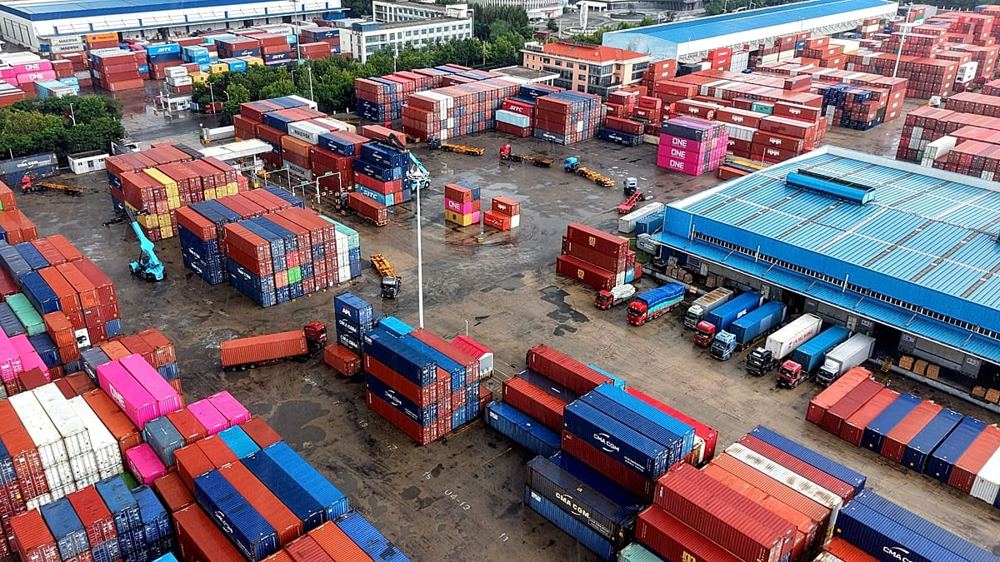
The legislative move creates a profound operational dilemma for global energy markets. Roughly a fifth of global oil consumption and a third of seaborne liquefied natural gas trade pass through the strait. Shipowners, insurers and Gulf exporters now face the prospect of navigating between a 20% US levy and an Iranian toll, under the persistent threat of interdiction from both sides.
Washington staked its claim to the waterway on July 13. US President Donald Trump declared the strait open "with or without Iran," reinstated a blockade on Iranian shipping and announced a 20% levy on all other transiting cargo. Trump declared the US the "Guardian of the Hormuz Strait." Hours later, Iran's Islamic Revolutionary Guard Corps claimed two supertankers were struck and disabled after entering a mined corridor, an account that cannot be independently verified.
Tehran has spent months building its own regulatory framework to counter US pressure. In April, Iran introduced a tolling system for commercial shipping requiring payments in rials. Azizi has repeatedly asserted that the waterway is Iranian territory and its transit regime is exclusively for Tehran to determine. "We remain steadfast in defending our red lines, particularly regarding the management of the Strait of Hormuz," Azizi wrote on X. "This is the first step; subsequent measures are forthcoming."
Azizi tied the bill's introduction to what he described as the overnight downing of US drones. He provided no details regarding the number of aircraft, their location, or how they were brought down. US Central Command offered no immediate comment on the claim.
For the commercial shipping industry, these overlapping legal regimes present an impossible compliance environment. Vessels choosing to pay one authority to transit the passage risk punishment by the other. This fundamental uncertainty will force insurers to drastically raise premiums for tankers transiting the Persian Gulf, costs that will ultimately be passed down to global energy consumers.