Brent jumps 2.2% on Iran strikes; China exports surge on AI demand
Escalating US strikes on Iran have pushed Brent crude above $85, while China's exports surged 27% on AI-driven chip demand, creating divergent pressures for global markets and trade balances.
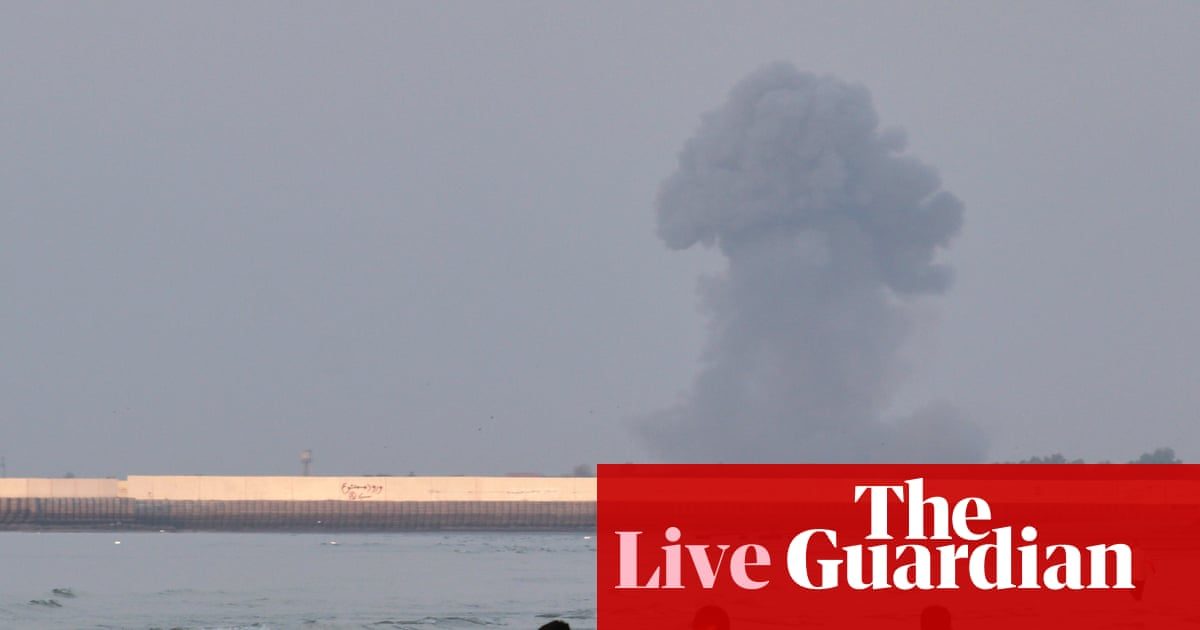
Brent crude climbed 2.2% to $85.15 a barrel in early London trading, hitting an intraday peak of $85.64, after the US conducted a third consecutive night of strikes against Iran. The price action followed reports that two tankers came under fire in the Strait of Hormuz. Donald Trump announced the US would reinstate a blockade of Iranian shipping in the Gulf but pledged the strait would remain open.
"Stasis has taken over markets as investors wait for the latest twist in the Iran conflict and brace for higher energy prices to filter through to economies. Brent crude has surged even higher, topping $84 a barrel, while European gas prices have shot up to levels not seen in three months," said Susannah Streeter, chief investment strategist at the Wealth Club.
While energy markets priced in geopolitical risk, Chinese trade data revealed an export machine accelerating at full speed. June exports jumped 27% from a year earlier in US dollar terms, the largest increase in four months. The result easily beat economists' forecasts of 18.2% and May’s 19.4% gain.
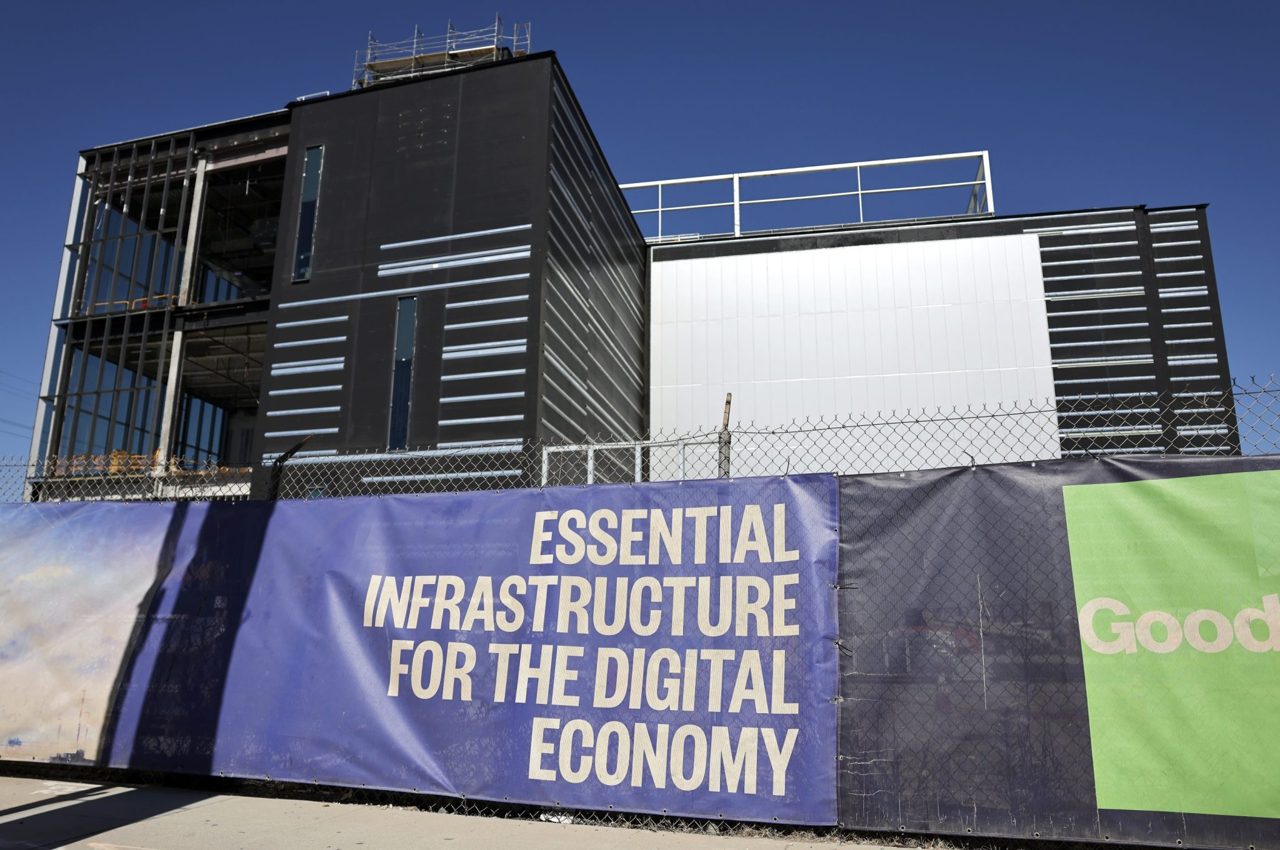
The strength is tied directly to global artificial intelligence investment, with surging orders for chips and computing power. This demand is also distorting import figures, as surging semiconductor prices push up overall values. Imports jumped 36% to a five-year high against a 24% forecast, driven by an 85% jump in purchases from South Korea and a 41.1% increase from Taiwan.
The June trade surplus reached $125.6 billion, up from $105.4 billion in May, putting China on track for a second consecutive year with a surplus above $1 trillion. According to Gavekal Dragonomics, exports accounted for 24% of total manufacturing sales over the first four months of the year, the highest ratio since China joined the WTO in 2001. "That would be considered high for a small export-focused country; for the world’s second-largest economy, it is remarkable," the consultancy noted.
This extreme reliance on foreign demand is masking severe domestic weakness, including flat retail sales and negative fixed asset investment last month. The external focus also brings new political risks. "I think exports will remain strong in the second half of the year. Meanwhile, it also puts further pressure on the trade tensions between China and its trading partners, Europe in particular," said Zhiwei Zhang, chief economist at Pinpoint Asset Management.
The geopolitical and technological narratives are increasingly intertwined, with AI demand currently offsetting export headwinds created by Middle East instability. "Continued export strength, mostly driven by AI, points to a better second half, coupled with a more expansionary policy mix, accelerated fiscal spending and mild monetary easing, as well as a de-escalation of the situation in the Middle East, which will benefit China through lower oil prices," said Xu Tianchen, a senior economist at the Economist Intelligence Unit in Beijing.