Data centers to hike US power bills by $23bn through 2028
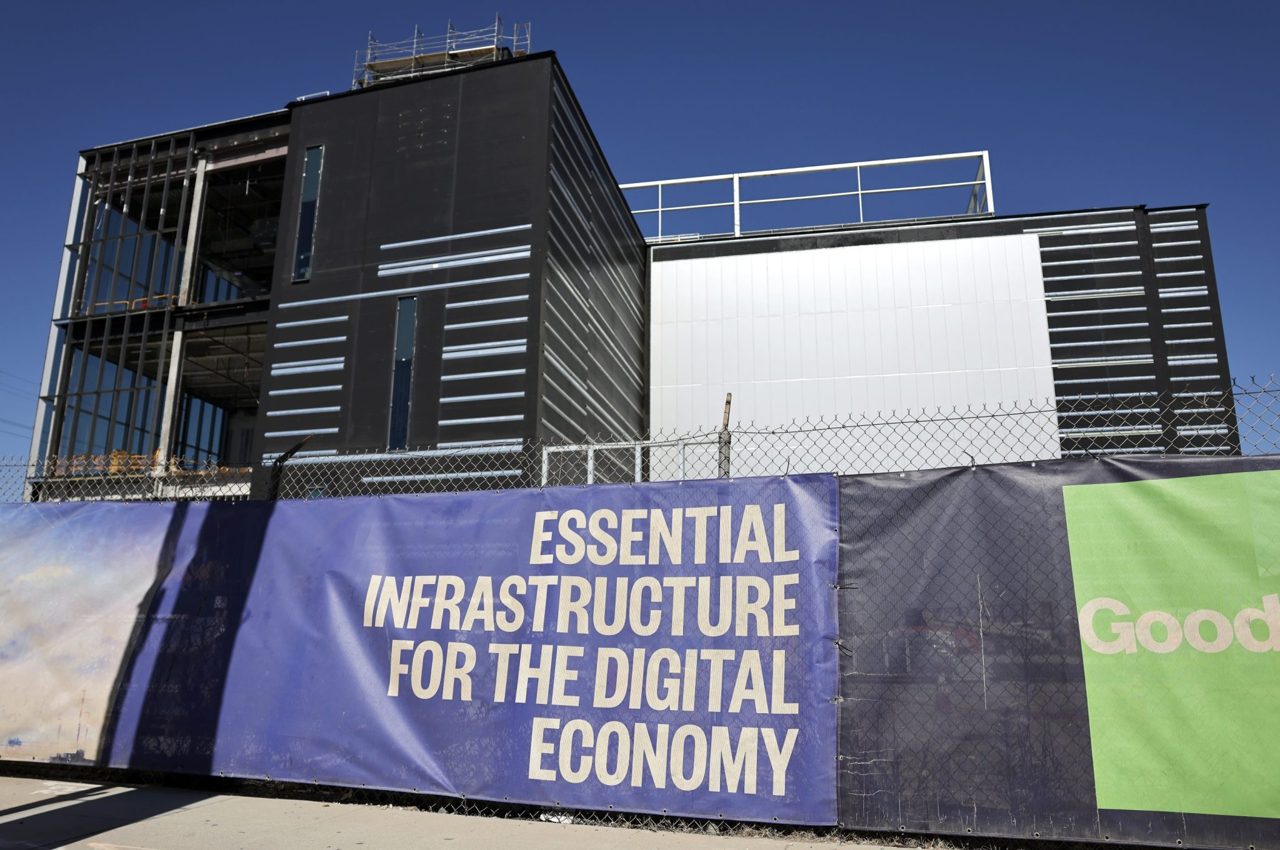
Surging electricity demand from data centers has triggered $23 billion in rate increases across a 14-state US grid, exposing regulatory flaws that leave residential users and utility investors exposed to stranded costs.
Surging power demand from data centers is driving a $23 billion increase in electricity prices across parts of the United States. According to the monitor of the PJM market, which encompasses all or part of 14 mid-Atlantic and Midwest states, expected data center consumption is the primary driver of customer rate hikes that will last until at least the end of 2028.
While major technology companies have pledged to pay their fair share of grid expansion, the structure of utility regulation makes it highly likely that residential ratepayers will absorb a substantial portion of these costs. When a utility builds new infrastructure, such as power plants, transmission lines, or upgraded substations, state utility commissions must decide which customer class pays for it. If a data center requires a dedicated 50-yard power line, the tech company pays. But if the local substation requires a broader upgrade to handle the added load, those costs are typically shared across the entire grid.
A primary mechanism for allocating these shared costs is "coincidental peak demand," which measures a customer group's usage at the exact moment system-wide demand hits its highest point. Data centers possess a distinct advantage here. Using automated systems, they can dynamically scale down their power consumption during these peak windows, effectively avoiding the metric used to assign costs. This is a proven tactic, already utilized by cryptocurrency-mining operations in Texas.
This technical loophole is compounded by a structural imbalance in regulatory negotiations. Data centers hire specialized experts to aggressively argue for minimal cost assignments. By contrast, state consumer advocates, present in every state except Georgia, Idaho, and Louisiana, are legally required to represent all customers without bias. They can fight to keep overall utility costs down, but they are often barred from advocating specifically against shifting costs from industrial data centers onto residential households.
For utility investors, the data center buildout introduces a material stranded-asset risk. Grid investments are capitalized and recovered over decades, but data center projects can be cancelled or rendered obsolete by rapid technological shifts within a year or two. If a proposed facility is never built or uses far less energy than projected, the utility is left with excess infrastructure. Those costs will inevitably be borne by the remaining customer base.
The financial exposure is particularly acute for municipal utilities and rural electric cooperatives. Unlike large investor-owned utilities, these local boards often lack full-time regulatory experts, leaving them ill-equipped to negotiate complex cost-allocation frameworks against well-resourced tech giants.