Hong Kong retains priciest housing tag as livability slips
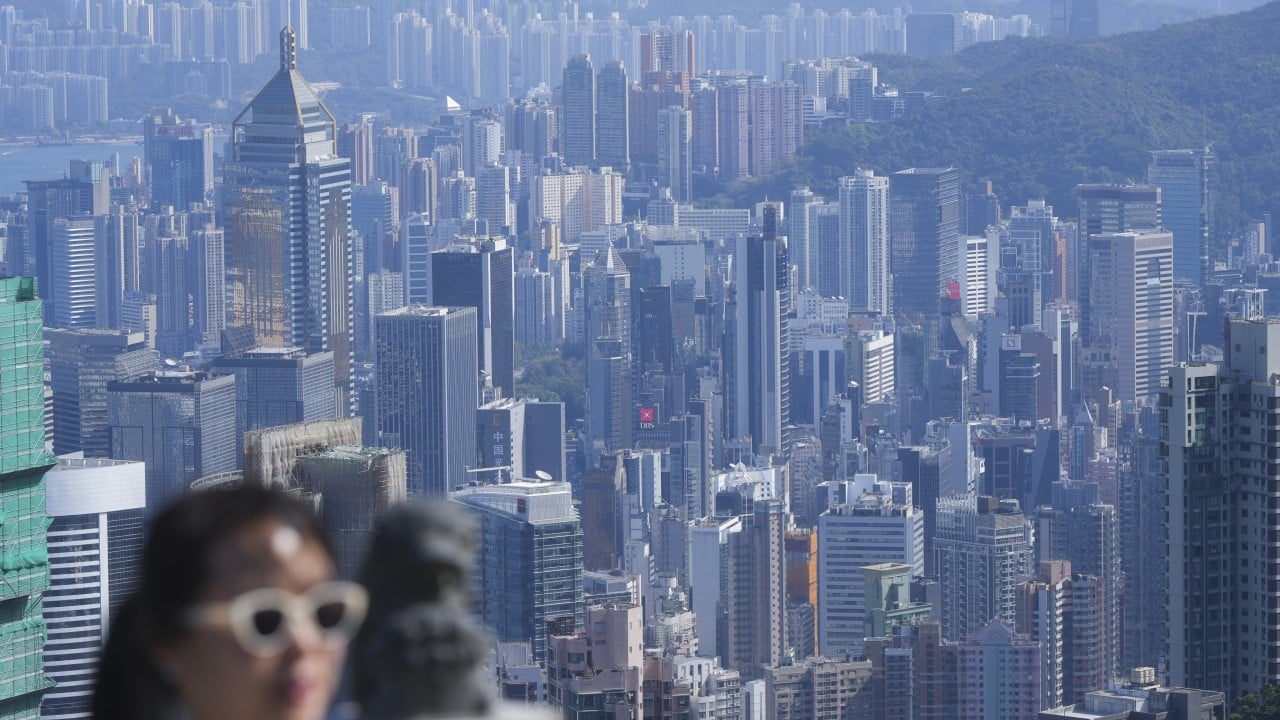
Deutsche Bank data shows Hong Kong remains the world's most expensive residential market despite a 10% price correction, a dynamic that threatens to inflate corporate talent costs as the city's livability ranking declines.
Hong Kong has held onto its position as the world’s most expensive residential property market, according to Deutsche Bank’s latest global pricing report. The city achieved this rank even as local home prices fell 10 per cent from their pre-pandemic 2019 baseline.
For financial executives and corporate boards, the persistence of this top ranking despite a double-digit correction underscores the structural depth of the city’s housing market. While lower asset prices might theoretically attract bargain-hunting real estate investors, the broader cost burden continues to complicate talent acquisition and retention strategies for banks and asset managers operating in the region.
The German bank’s 10th edition "Mapping the World’s Prices" report, co-authored by Jim Reid and Galina Pozdnyakova, assessed residential purchase prices across 69 cities worldwide. To ensure a level comparison, flat costs were converted into US dollars and measured against 2016 levels as well as the 2019 pre-Covid-19 baseline.
Beyond raw property costs, the report uses these metrics to compile a broader quality-of-life index. This index factors in purchasing power, safety, healthcare quality, property-price-to-income ratios, commute times, pollution levels and climate. Within this framework, Deutsche Bank lowered Hong Kong’s quality-of-life standing to 55th this year, down from 48th in 2025.
The bank attributed this specific downgrade to "extremely high costs" that actively erode the practical benefits of the relatively high salaries paid in one of the world's leading financial centres. Long commuting times and elevated pollution levels were cited as additional drags on the city's overall score, squeezing household budgets and limiting disposable income.
This data highlights a persistent paradox for international capital and the multinational corporations that deploy it. “Hong Kong remains a global magnet for talent and capital,” the Deutsche Bank analysts stated in their findings. “The richest cities are not always the easiest places to live.”
Companies headquartered in the city must therefore continuously weigh Hong Kong’s unrivaled access to regional wealth against the rising premium required to keep employees satisfied. As tech-driven regional competitors like Seoul emerge, the margin for error in structuring competitive compensation and relocation packages continues to narrow for firms anchored in Hong Kong.