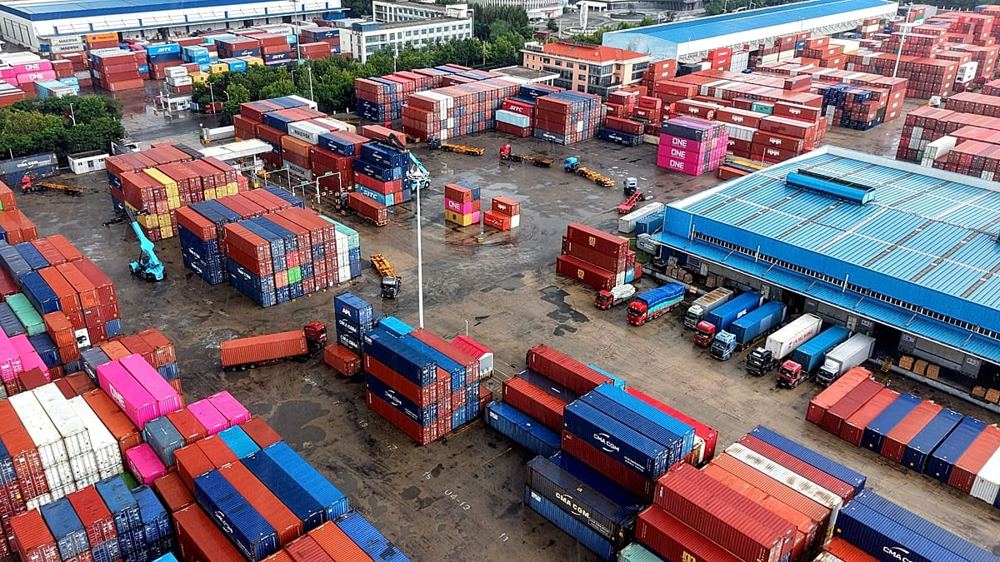
AI demand lifts China exports 27%, widening trade surplus
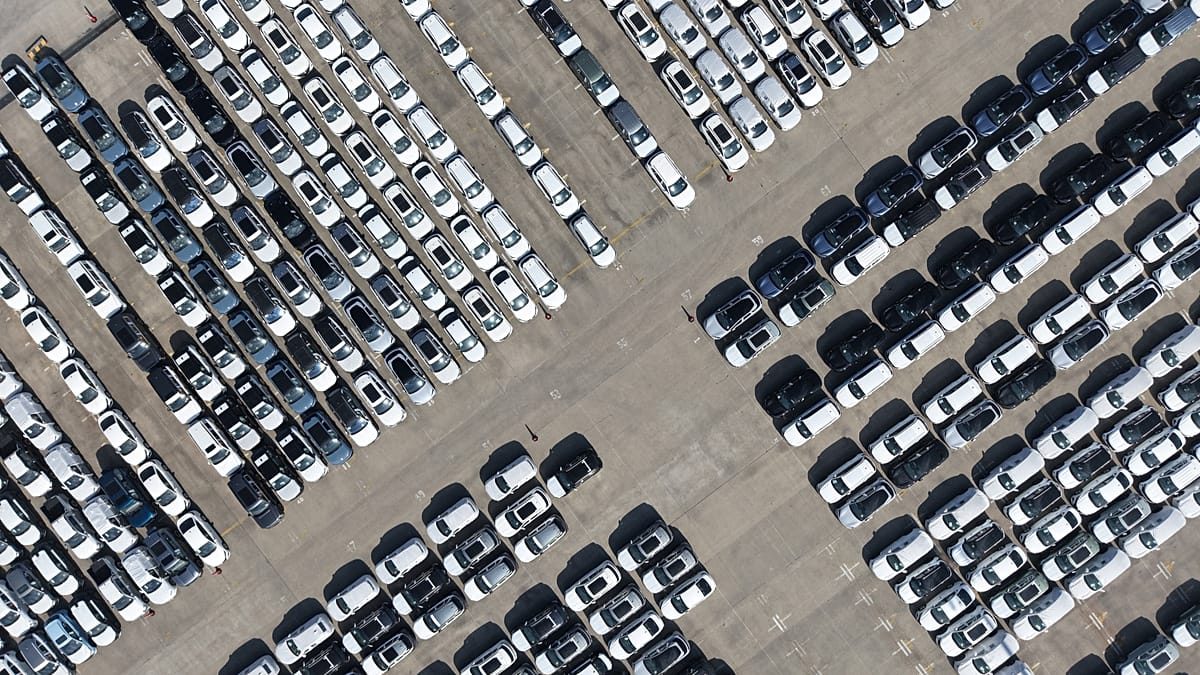
A surge in AI-fueled semiconductor demand pushed China's June exports up 27% and widened its trade surplus, highlighting a growing split between robust overseas sales and persistent domestic economic weakness.
China’s exports jumped 27% year-on-year in June, significantly beating expectations and accelerating from a 19.4% increase in May. The customs agency data released on Tuesday showed a trade surplus of $125.6 billion, up from $105.4 billion in the prior month.
The primary engine behind this expansion is the global artificial intelligence boom. “Trade values took another big leg up in June,” Julian Evans-Pritchard, head of China Economics at Capital Economics, wrote in a note Tuesday. “This predominantly reflects the recent surge in semiconductor prices on the back of the AI boom. But even putting that aside, foreign demand for Chinese goods remains robust.”
Imports surged 36% year-on-year, outpacing May’s 27.4% growth. Analysts partly attributed this spike to the Iran war driving up import costs, adding to the overall value of inbound shipments.
Beyond semiconductors, shipments of electric vehicles and related technology continued to climb. To bypass rising tariffs from policymakers in the US and Europe, Chinese businesses have increasingly moved factories to regions like Europe. They are also routing more goods through Southeast Asia, Latin America and Africa. June exports to Southeast Asia surged nearly 35%, while Latin America and the EU saw jumps of 28% and over 18%, respectively.
Exports to the United States climbed almost 14% from a year earlier. This figure is flattered by a low base effect, as shipments dropped a year earlier after President Donald Trump returned to office and implemented higher tariffs.
For investors, the headline trade figures obscure a diverging domestic reality. Strong export manufacturing is effectively propping up an economy hampered by a prolonged property downturn and weak consumer spending. Despite government trade-in subsidies for autos and appliances, ordinary Chinese are feeling the pressure of a slowing economy and avoiding big-ticket purchases.
This reliance on external demand carries substantial risk. “While China's export growth is likely to continue, it is becoming increasingly fragile,” said Wei Li, Head of Multi-Asset Investments at BNP Paribas Securities (China). He noted that robust auto and AI-related shipments remain dependent on global demand and regulatory barriers.
Markets will get a clearer picture of the underlying economy on Wednesday when Beijing releases second-quarter growth data. Chinese leaders have set a 4.5% to 5% annual growth target for this year, down from 5% in 2025. The IMF recently raised its 2026 forecast by 0.2 percentage points to 4.6%, though it expects growth to slow to 4.1% by 2027.