Nigerian firms forecast growth but cut hiring as borrowing costs bite
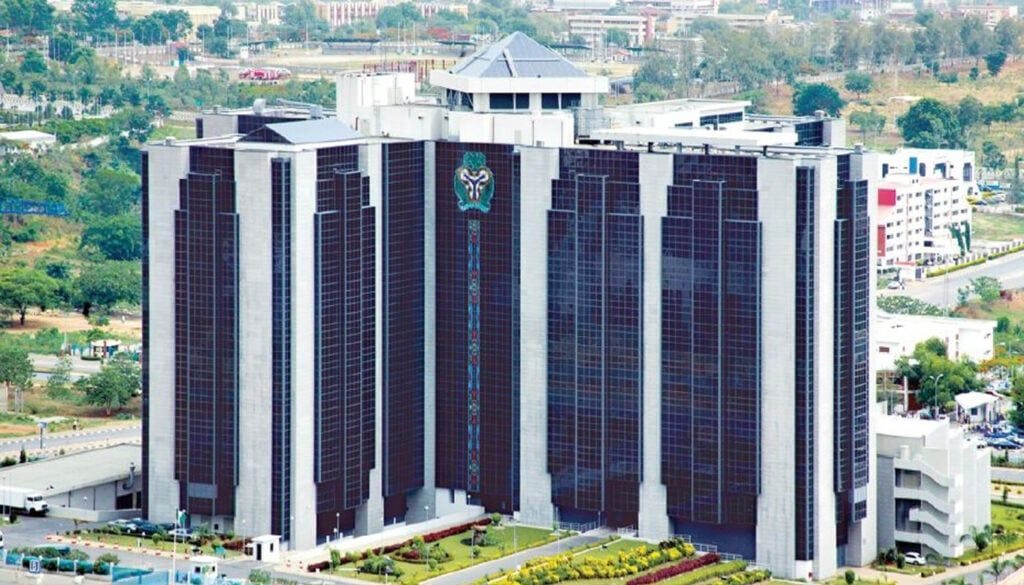
Nigeria's business confidence dipped in June as companies anticipate stronger future activity but remain constrained by tight credit, energy shortages, and rising operational costs.
The Central Bank of Nigeria’s Business Confidence Index fell to 7.2 points in June from 7.9 in May. “The Business Confidence Index stood at 7.2 points in June 2026, signalling continued optimistic sentiment among formal businesses,” the CBN report stated. However, the drop underscores how rising operational expenses are tempering immediate optimism.
Companies expect order volumes and overall activity to increase in July, with index readings of 12.8 and 13.3 points respectively. Yet the Employment Outlook Index stands at -8.3 points, indicating executives are choosing capital preservation over workforce expansion. For investors, this suggests near-term growth will be capital-intensive rather than labor-driven, limiting the broader economic multiplier effect.
Private sector borrowing indices remain trapped between 20 and 22 points, reflecting restrictive credit conditions expected to linger through 2026. This tight monetary environment is colliding with structural bottlenecks. Energy shortages accounted for 23.4% of factors dampening sentiment, while geopolitical risks represented 16.5%.
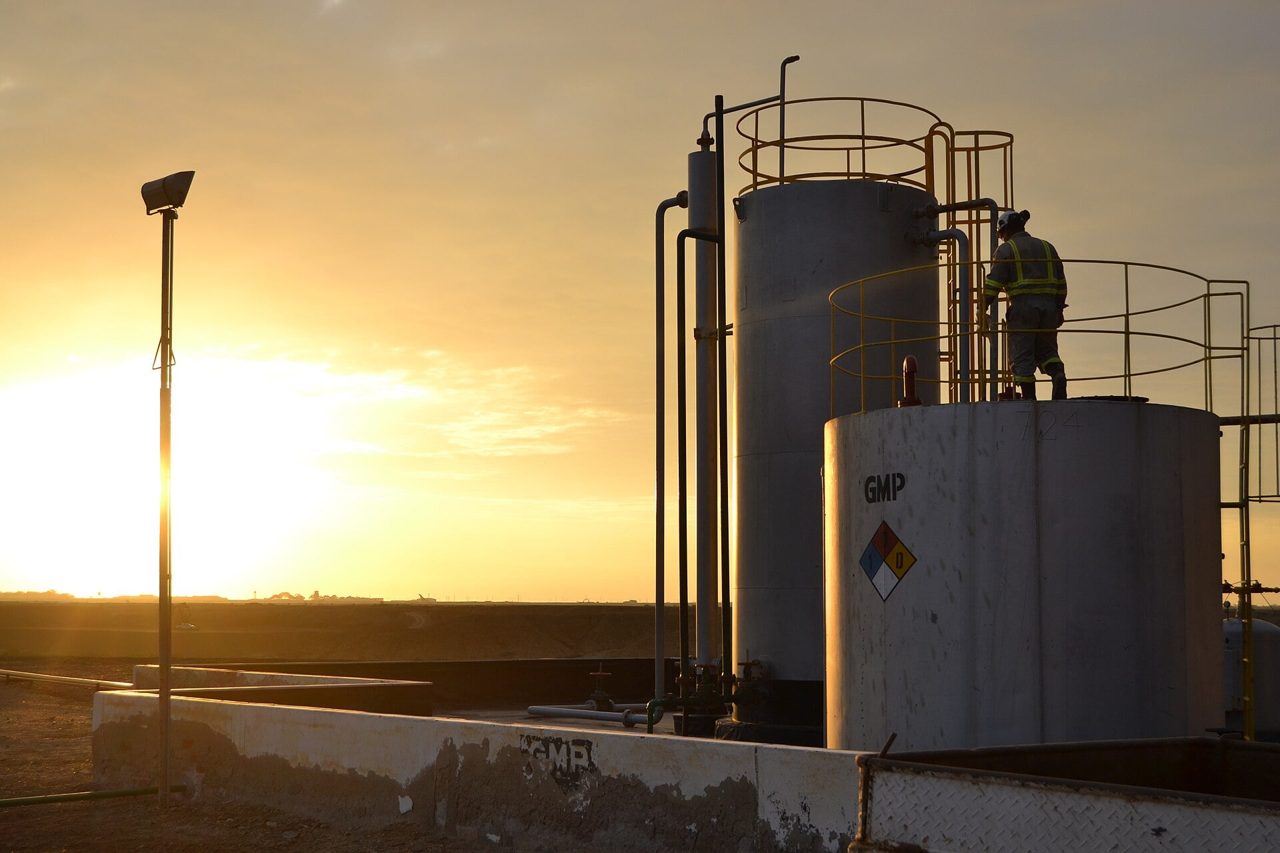
Sectoral divergence paints a fragmented picture, though average capacity utilization held relatively steady at 55.3%, down marginally from 55.9%. The Mining and Quarrying sector leads with a confidence score of 42.9 points, an average capacity utilization rate of 58.5%, and 84.6% of firms planning expansion. Agriculture improved to 12.2 points, while the Services sector experienced a sharp slowdown to 2.9 points and the Industrial sector eased to 10.9 points.
Geographic disparities further complicate the investment landscape. The North-East and North-West zones posted strong confidence scores of 29.5 and 19.8 points respectively. Southern regions registered negative sentiment, with the South-South at -7.9 points and the South-East at -9.0 points.
Despite these immediate hurdles, the survey points to a robust forward-looking macroeconomic outlook. Respondents project the index will climb to 17.6 points in July, 24.1 points over three months, and 30.9 points within six months. This optimism is primarily driven by government economic diversification initiatives, cited by 38.3% of respondents, and expansionary fiscal measures. Businesses also expressed optimism that the naira will appreciate gradually against the U.S. dollar over the medium term.