Brent hits $85 as US blockade chokes Iran oil supplies
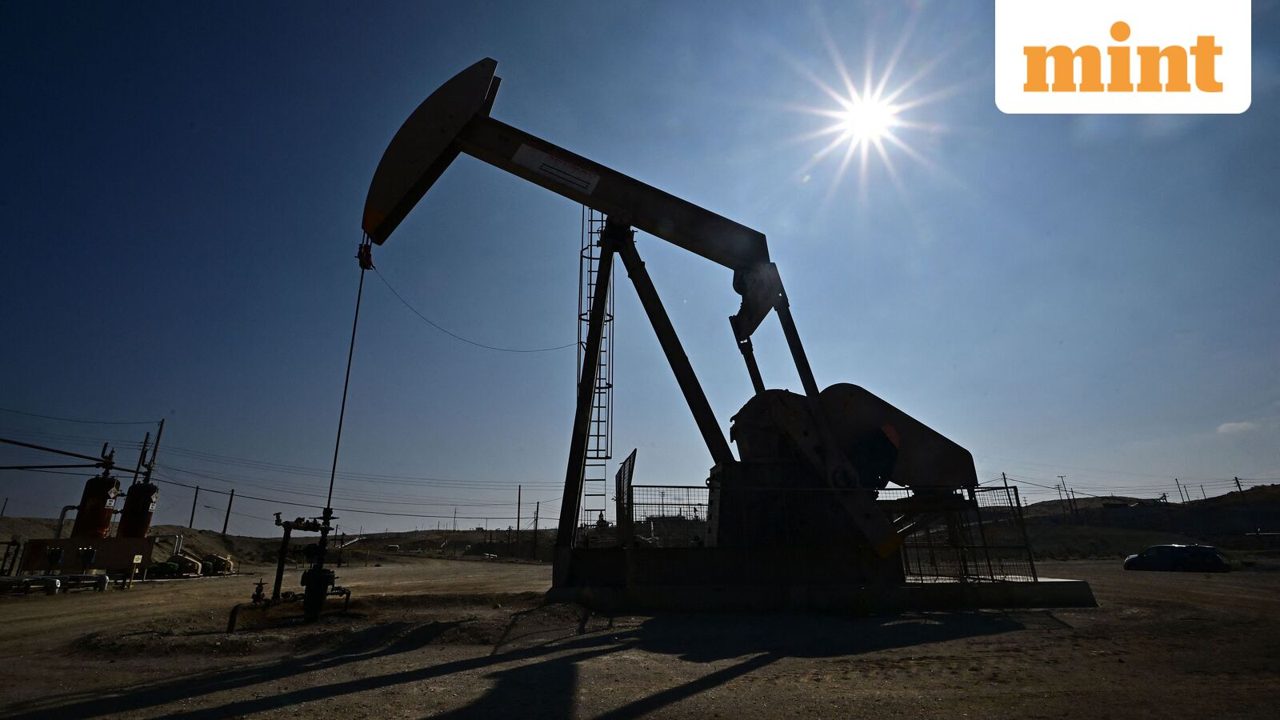
Brent crude surged to a four-week high after the US reinstated a naval blockade on Iran, threatening to choke off critical Gulf energy supplies.
Oil prices climbed to their highest level in four weeks as the United States reimposed a naval blockade on Iran and military strikes intensified around the Strait of Hormuz. Brent crude futures rose $1.68, or 2%, to $84.98 per barrel, while US West Texas Intermediate advanced $1.65, or 2.1%, to $79.79. The rally builds on a 9.6% jump in the previous session, which marked Brent's largest single-day gain since May 2020.
The immediate catalyst was the US Central Command's enforcement of a blockade on all Iranian ports and coastal areas, effective 4 p.m. New York time on Tuesday. President Donald Trump announced the move and stated Washington expects compensation from countries relying on US protection in the strait, naming Saudi Arabia, the UAE, Qatar, Bahrain and Kuwait.
Military strikes around the shipping chokepoint validated market anxieties over physical supply disruptions. Two UAE tankers were struck by Iranian cruise missiles in Omani waters, killing an Indian crew member and injuring eight others. Iran's semi-official Fars news agency also reported drone attacks on US assets in Kuwait and cruise missile strikes on a "hostile vessel."
The escalation threatens to remove a significant volume of crude from global markets. During a brief pause between US blockades, Iran exported at least 57 million barrels of oil. Tehran has now declared that a June 17 memorandum of understanding with Washington had "clearly entered a crisis phase" and will no longer be honoured.
Gulf producers had recently taken steps to mitigate these supply risks. Having left OPEC, the UAE reported its crude production surged to 3.8 million barrels per day in June, up from 1.71 million in May. This increase was partly achieved by utilizing shuttle tankers that operated with tracking transponders switched off to navigate conflict disruptions.
The rapid price reversal signals that geopolitical risk premiums have returned as a primary driver for energy markets. For investors and corporate buyers, the focus now shifts to whether sustained conflict can be navigated or if further attacks will force a structural reduction in Persian Gulf exports.
Additional downward pressure on global oil supplies could emerge from a separate front. Trump is expected to support a Russian sanctions bill championed by the late Senator Lindsey Graham that would penalise buyers of Russian oil and natural gas.