OPEC lowers 2026 oil demand view as Gulf supply rebounds
OPEC's third consecutive downgrade to its 2026 demand forecast signals a looming oil surplus as Gulf producers rapidly restore output stranded by the Iran war.
OPEC has cut its 2026 global oil demand growth forecast for the third consecutive month, lowering its expectation to 780,000 barrels per day. The latest monthly report reduced the figure by another 190,000 bpd, reflecting growing concerns about consumption headwinds.
Supply surge outpaces consumption
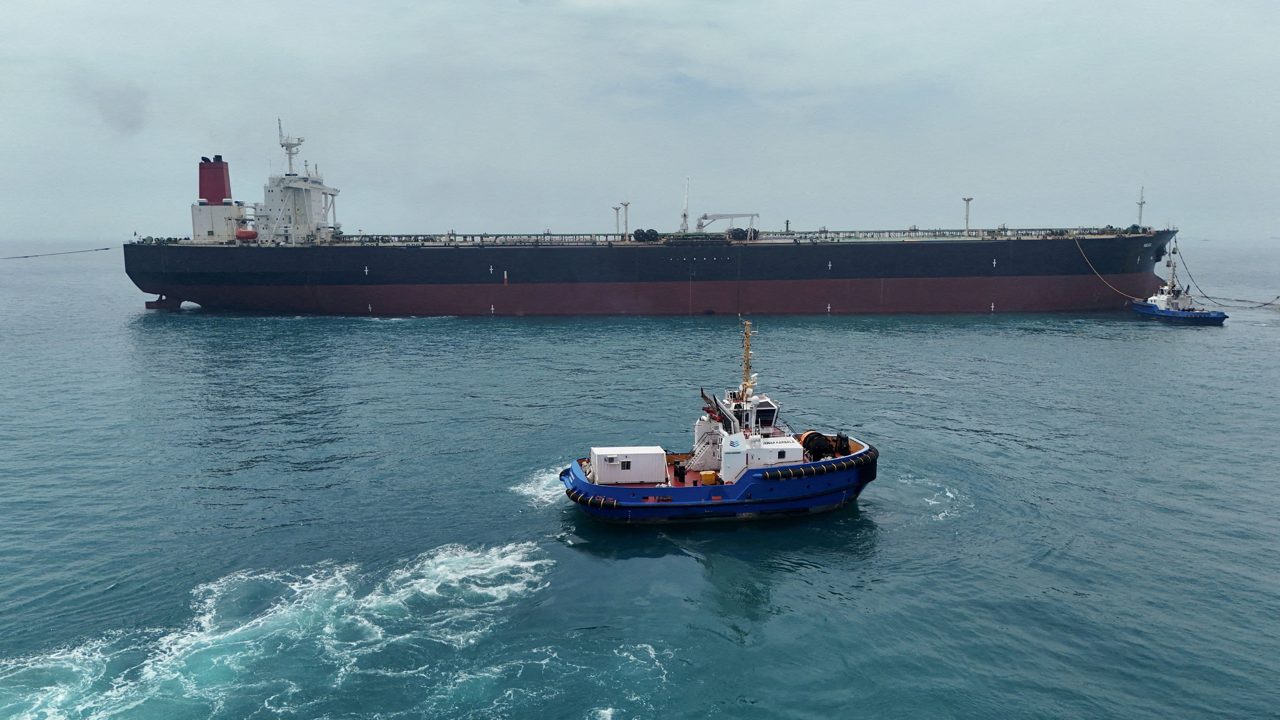
The downward revision arrives as a significant volume of crude re-enters the physical market. OPEC+ production jumped by roughly 3 million bpd in June to average 36.28 million bpd. This sharp increase is not driven by new drilling capacity, but by the gradual reopening of the Strait of Hormuz following the Iran war. Producers are finally moving oil that had been trapped in storage, on idle tankers, and behind export bottlenecks. Supply is now recovering at a faster pace than demand.
The production rebound is widespread across major exporters. The United States is churning out nearly 14 million bpd. In a notable market shift, the UAE pumped a record 4.1 million bpd in June, ramping up exports through Fujairah shortly after its departure from OPEC. Saudi Arabia, Kuwait, Iraq, and Iran are all simultaneously bringing their output back online.
Shifting market dynamics
For investors and traders, the data points to a pivotal transition in the oil market. The immediate crisis is no longer a shortage of physical crude, but rather a shortage of buyers for the incoming barrels.
"The group's next problem may come from producing everything it wants in a market that wants a little less."
OPEC continues to project stronger 2026 consumption than external forecasters like the International Energy Agency. The cartel also provided a longer-term boost, raising its 2027 demand growth estimate by 210,000 bpd to 1.94 million bpd. OPEC cited the potential for improved economic growth in the second half of the year if energy markets and trade flows continue to stabilize.
However, the physical market remains fragile. Tanker traffic through the Strait of Hormuz has not returned to pre-war levels. Elevated insurance costs and the persistent threat of fresh military strikes against energy infrastructure mean the supply recovery could still face sudden interruptions.