EU eyes under-13 social media ban, targets addictive design
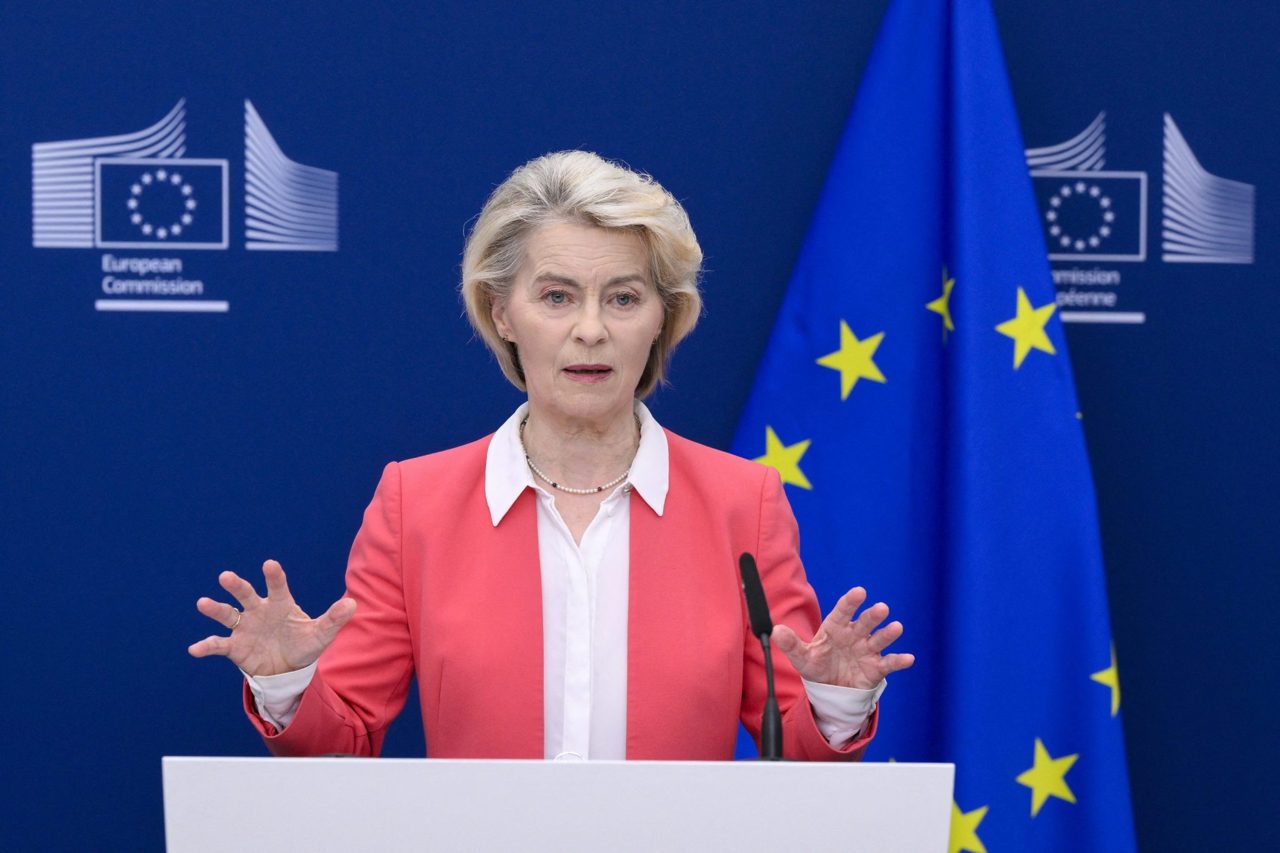
European Commission President Ursula von der Leyen is pushing for strict age limits on social media, shifting the regulatory burden onto tech companies and threatening fines for addictive design features.
The European Union is preparing to restrict social media access for children under 13 unless tech companies can conclusively prove their platforms are safe. European Commission President Ursula von der Leyen outlined the proposal on Monday following recommendations from a special EU panel on online child safety.
The move signals a sharp escalation in regulatory risk for social media giants like Meta, TikTok, and YouTube. By shifting the burden of proof onto the platforms themselves, Brussels is forcing companies to overhaul their core product designs or risk losing a critical demographic for future user growth.
Regulators are already moving against specific features. Last week, the European Commission used its Digital Safety Act to warn Meta that it must disable addictive design elements like infinite scrolling or face substantial fines. Von der Leyen specifically criticized infinite scrolling as an addictive trait that companies must address.
The panel’s report, delivered on Monday, argued that “the burden of proof needs to be on providers, not regulators, parents and children.” It recommended that “until they demonstrate that their services are safe by design, social media and other digital services providers should have restricted access to children under the age of 13 in the EU.”
Von der Leyen advocated for “phased and gradual access for different age ranges” rather than an outright ban for teenagers. Children under 13 would only receive time-limited access under adult supervision, while older teenagers would gain gradual access to platforms that prove they are “age appropriate” and safe.
Enforcing these limits presents a major operational hurdle. Platforms like Instagram and TikTok technically ban under-13 users already, but EU regulators have previously accused Meta of failing to enforce these rules. To solve this, the Commission is developing an anonymous age verification app.
The regulatory push in Brussels mirrors a global trend that threatens to constrain the addressable market for social media firms. Australia, the U.K., Turkey, and Indonesia have all recently passed bans targeting users under 15 or 16. As von der Leyen told reporters: “Just as we don’t give our children keys to the car before they have their license, or we do not let them buy alcohol until they are legally allowed. We need to set the age at which they can, the children can, legally access social media.”