EU to draft law banning children from social media, raising tech risk
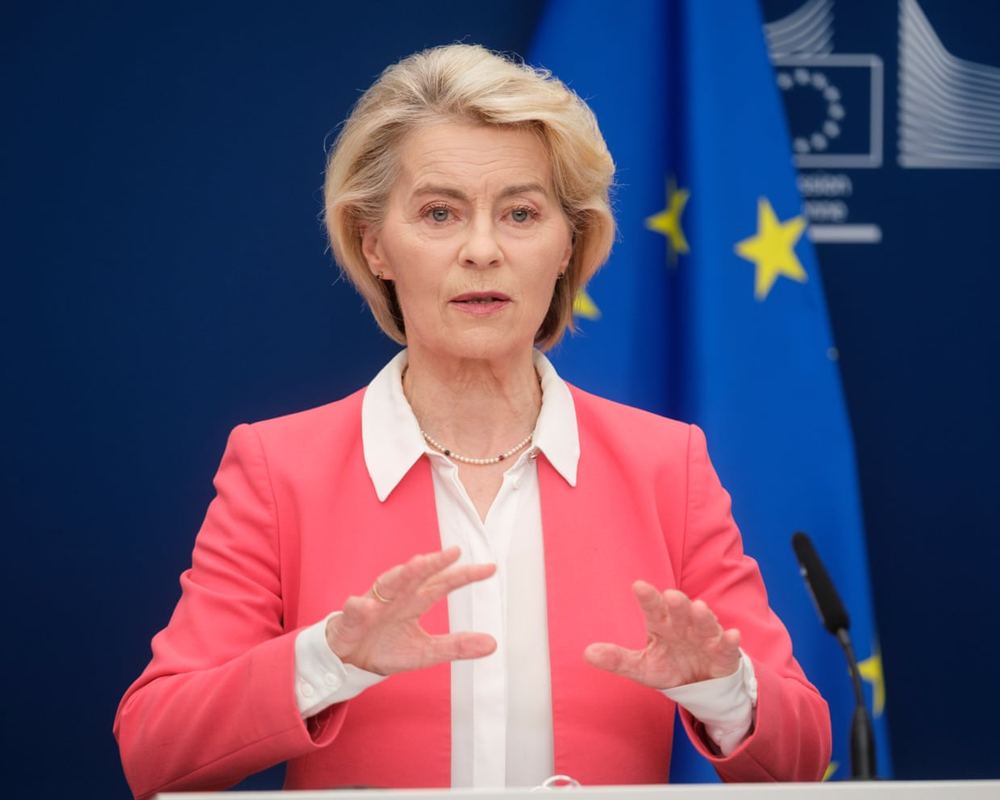
European Commission President Ursula von der Leyen has pledged an EU-wide ban on social media for children, signaling a regulatory escalation that threatens the user bases and product designs of major technology platforms.
The European Commission will introduce draft legislation this autumn to ban children from social media platforms. President Ursula von der Leyen announced the proposal following recommendations from an expert panel co-chaired by German psychiatrist Jörg Fegert and French epidemiologist Maria Melchior. The move comes as the EU deepens its regulatory assault on the engagement mechanics of major technology companies.
The proposed restrictions target not just traditional networks, but a broader category the panel defined as "social media plus." This encompasses video games and AI chatbots that utilize similar engagement features. By extending the scope beyond standard social apps, the draft law could ensnare a much wider segment of the technology sector than existing national proposals.
The legislative pledge coincides with preliminary indictments against Meta and TikTok. The Commission concluded on Friday that Meta, the owner of Facebook and Instagram, failed to mitigate the risks of its app designs, following a similar finding against TikTok in April. Regulators specifically highlighted infinite scroll, video autoplay, push notifications, and personalized algorithms as problematic, though both companies have rejected the findings and investigations continue.
Von der Leyen framed the regulatory approach around the concept of "safe by design." “We do not expect children to design their own seatbelts. We do not expect parents to fit airbags at home,” she said. For tech executives, this signals that the EU expects platforms to strip out the very features that drive user retention and advertising revenue.
The expert panel recommended an EU-wide delay to social media plus for children under 13. “The earlier you start, the higher [impact] the addictive features are,” one expert noted, pointing to US research showing harm to girls' body image. Member states would still retain the right to set higher "precautionary" limits, reflecting a fragmented landscape where France is targeting under-15s, Spain is looking at under-16s, and Greece will implement under-15 curbs in January 2027.
Estonia remains opposed to outright bans, arguing children will circumvent restrictions. The draft EU law will require approval from a weighted majority of member states and the European Parliament, a process that will test the bloc's unity against tech giants. If passed, the legislation would force a fundamental redesign of platform accessibility in one of the world's largest digital markets, following Australia's recent precedent of banning under-16s from platforms like Facebook, Instagram, and TikTok.