India foreign exchange reserves grow $6 billion despite central bank rupee defense
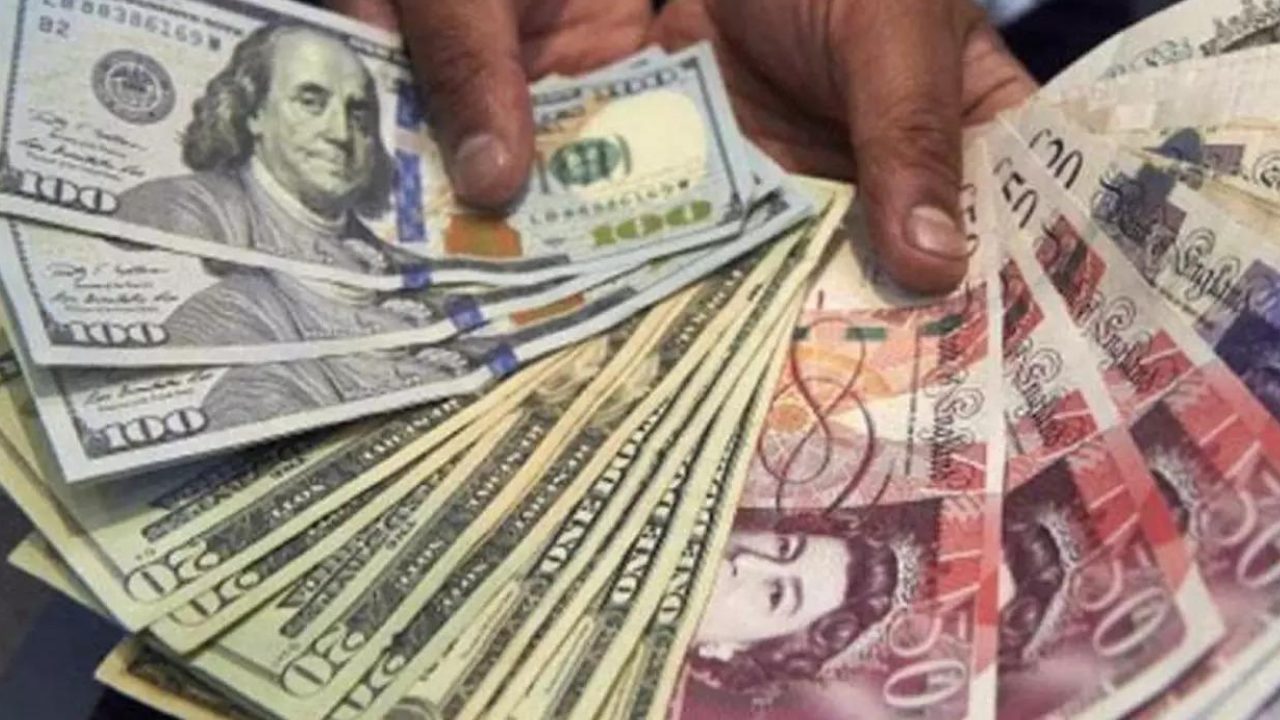
India’s foreign exchange reserves grew by $6 billion last week as strong deposit inflows offset the central bank’s dollar sales aimed at preventing the rupee from hitting record lows amid soaring oil prices.
India’s foreign exchange reserves expanded by approximately $6 billion in the previous week, demonstrating resilience despite active intervention by the central bank. Foreign currency assets alone climbed $4.8 billion to $555.9 billion. Meanwhile, gold reserves added $1.3 billion to reach $103 billion, contributing to the overall macroeconomic buffer.
This accumulation occurred even as the Reserve Bank of India sold heavily in the foreign exchange market to stabilize the domestic currency. Market traders estimate the central bank offloaded between $1 billion and $1.5 billion last week. This defensive posture was designed to prevent the rupee from breaching its record low.
The rupee closed at 96.56 against the dollar on July 24, hovering near its all-time weakness of 96.96. This persistent pressure is largely driven by crude oil prices trading above $100 per barrel. Higher energy costs typically widen India’s trade deficit and amplify domestic demand for US dollars.
The unexpected build in reserves points to strong underlying capital inflows rather than a pause in central bank action. Gaura Sengupta, chief economist at IDFC First Bank, attributed the reserve growth to inflows from FCNR(B) deposits. She noted these instruments were sufficient to counter the central bank's recent dollar sales.
For investors and market professionals, this dynamic highlights the strategic value of non-resident deposit schemes in buffering external shocks. The ability to absorb up to $1.5 billion in weekly intervention while still growing the overall reserve cushion is a positive signal. It provides the central bank with continued flexibility to manage currency volatility without depleting its war chest.
Nevertheless, the proximity of the rupee to its record low suggests that currency stability will remain a key monitoring point. If global oil prices sustain their current levels above $100 per barrel, the central bank may need to maintain its defensive posture. Such sustained intervention could eventually test the limits of even a robust reserve position.