Maruti profit drops 11% as West Asia crisis hits margins
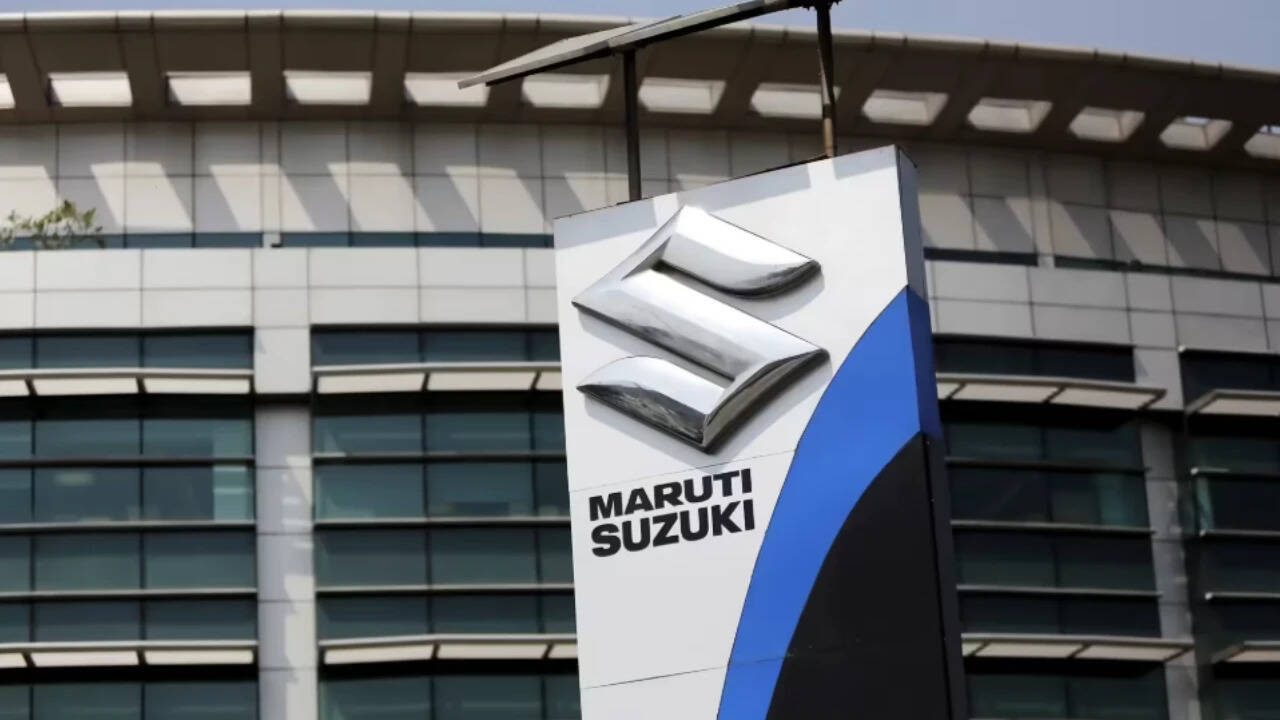
Maruti Suzuki missed earnings estimates as surging material costs linked to the West Asia conflict eroded the benefits of a 45% jump in SUV sales.
Consolidated profit at Maruti Suzuki fell 11% to ₹3,352 crore in the June quarter, down from ₹3,758 crore a year earlier and missing the Bloomberg consensus estimate of ₹3,440 crore. The earnings decline highlights a persistent challenge for Indian automakers: absorbing external commodity shocks even when domestic demand is robust.
The primary drag on profitability was a rise in input costs tied directly to geopolitical instability. "Material costs had started to increase in the quarter and were seriously aggravated during the war," Maruti Suzuki said in a statement, pointing to the crisis in West Asia. For market participants, the quarter serves as a clear reminder of how quickly overseas conflicts can erode the operational leverage typically gained from higher domestic factory utilisation and volume growth.
Underlying demand, however, remained undeniably strong. Domestic small car sales expanded 34%, paced by a 45% surge in SUV sales, while exports climbed 29%. This broad-based demand allowed the carmaker to increase its domestic market share by 2.3 percentage points, bringing its total grip on the Indian market to 41.2%.
"Higher sales were possible because the company commissioned its second plant in Kharkhoda," Maruti noted. The new capacity is critical for a manufacturer defending its dominance in a fiercely competitive sector. Despite this production ramp-up, network inventory levels stood at a tight 13 days at the end of the quarter, suggesting dealer supply is still struggling to fully satisfy consumer demand.
On the strategic front, the company's board approved a ₹561 crore budget for four compressed bio gas (CBG) projects in an initial phase. Management indicated that the board will evaluate further expansion of CBG manufacturing based on the operational experience of these first plants. The investment signals a cautious but deliberate long-term shift toward alternative energy sourcing, which could eventually help insulate the automaker from the kind of raw material volatility that constrained its recent margins.