Brands shift marketing budgets to creator partnerships as influencer spend surges
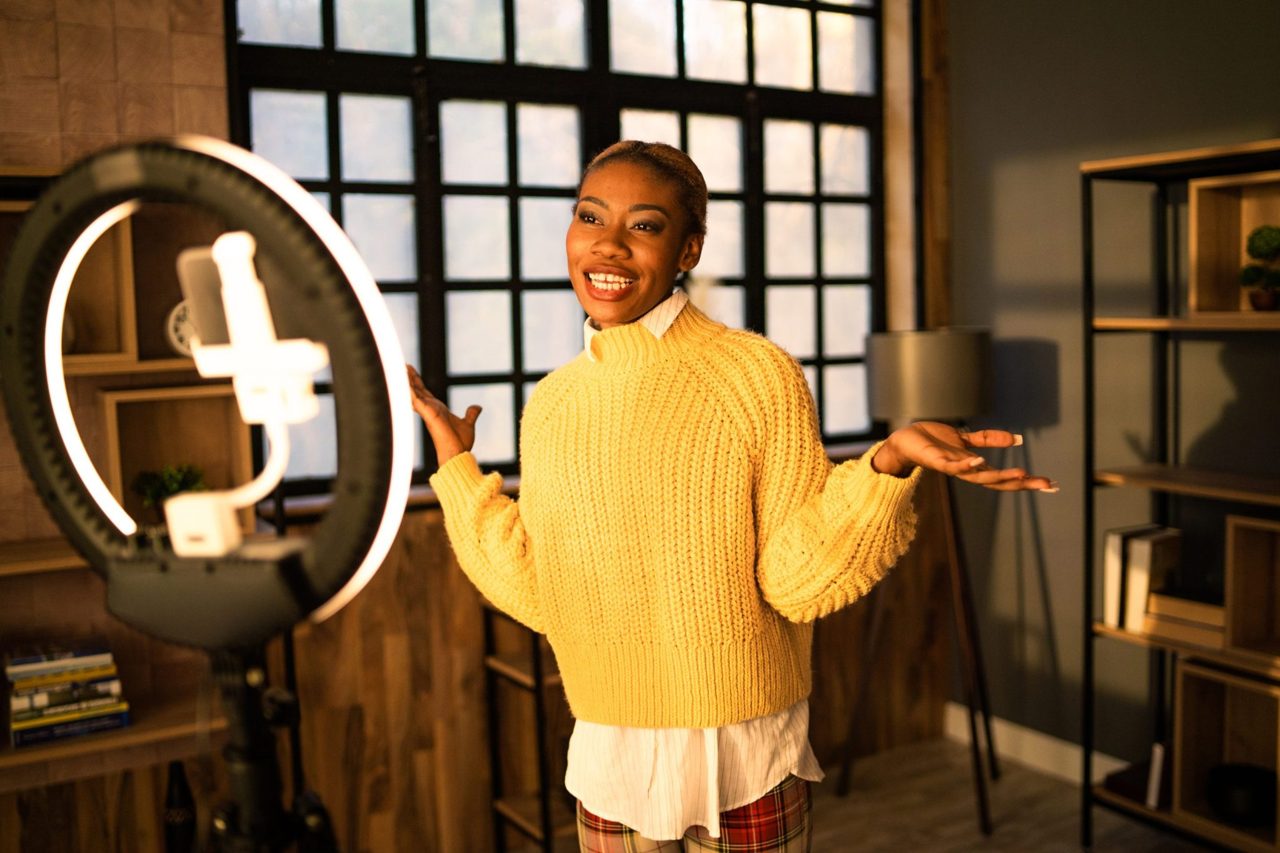
With nearly three-quarters of brands planning to boost creator advertising budgets by at least half, companies are fundamentally restructuring their marketing capital allocation to capture consumer trust.
Corporate marketing departments are executing a massive reallocation of advertising capital toward creator partnerships. According to a 2026 Influencer Marketing Hub survey, 72.2 percent of respondents expect their influencer marketing budgets to increase by at least 50 percent this year.
This surge represents a structural departure from traditional one-way television commercials toward decentralized, peer-to-peer promotion. Lia Haberman, a creator economy expert and author of the ICYMI newsletter, notes that a shift toward trusting individuals over faceless institutions began roughly two decades ago.
Beauty, wellness, and fitness sectors served as the initial proving grounds for this strategy, as their products naturally integrated into daily content formats like makeup tutorials and workout routines. This early success blurred the line between entertainment and advertising, convincing corporate marketers that creators could build enduring brand equity rather than just moving immediate inventory.
Bloom Nutrition, founded by creators Mari Llewellyn and Greg LaVecchia, built its business model around these partnerships from inception. Craig Heyne, VP of Performance Marketing at Bloom Nutrition, described the strategy as a major pillar of the company's overall marketing mix.
Heyne emphasized that brands must abandon rigid corporate scripts in favor of authentic creator voices to protect their advertising yield. He noted that audiences easily detect when recommendations lack sincerity, making early creative integration essential for maximizing return on investment.
The financial viability of this decentralized model relies on social media algorithms that elevate content based on engagement rather than historical follower count. Heyne observed that platforms now empower creators of all sizes, allowing brands to achieve scale through diverse, niche partnerships rather than relying solely on massive audiences.
As the sector matures, operational efficiency is becoming a key differentiator for independent creators seeking to retain brand funding. Lindsay Brillson, executive creative director at Pika, stated that artificial intelligence is accelerating editing, scripting, and production to help talent meet higher market expectations without replacing human creativity.
However, this massive capital influx introduces new concentration risks for brand managers and investors monitoring advertising efficiency. Haberman warned that mega creators like MrBeast and Alix Earle are consolidating influence to the point of becoming the very institutions they originally disrupted.
Consequently, the next phase of influencer marketing investment will likely pivot away from sheer scale toward specialized expertise. Haberman predicts that future capital allocation will increasingly favor subject matter experts and corporate employees whose recommendations carry enduring consumer trust.