SpaceX Starship completes 13th test flight as shares slump 43 percent
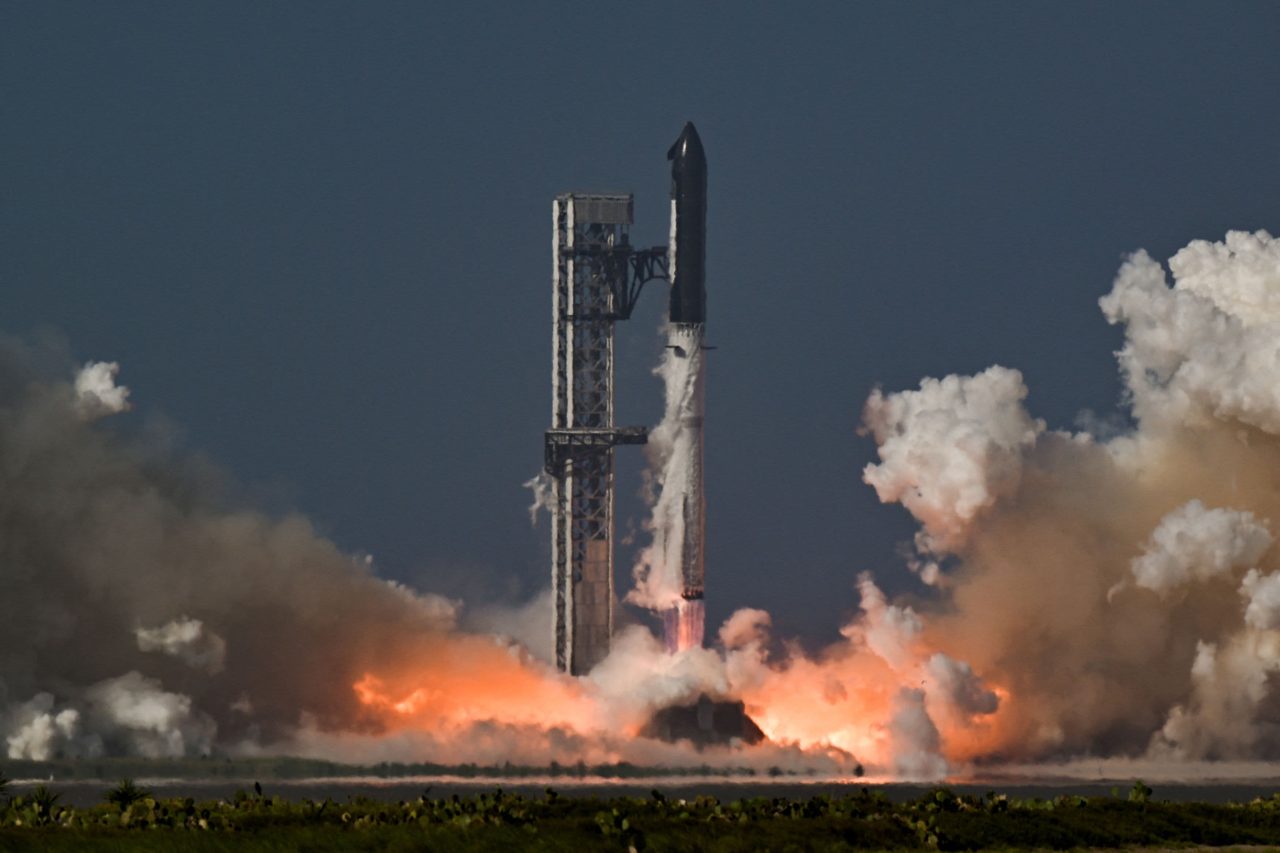
SpaceX successfully launched its Starship rocket and deployed new Starlink satellites in its first test flight since going public, though the milestone arrives as the company's shares have tumbled 43 percent from their recent peak.
SpaceX executed the 13th test flight of its Starship vehicle on Friday evening, lifting off from its Starbase, Texas facility in the first launch since the company went public last month. The Super Heavy booster separated approximately two minutes into the ascent for a controlled splashdown in the Gulf of Mexico, while the upper stage completed a soft splashdown in the Indian Ocean.
The mission served as a critical validation for the company's broadband internet ambitions, successfully deploying 20 new Starlink V3 satellites into orbit about 18 minutes after liftoff. Manufactured at a Redmond, Washington facility, the newer hardware features larger designs and solar arrays that generate twice the power of previous generations.
These newer satellites were intended to burn up after roughly 20 minutes, providing engineers with crucial in-flight performance data before the commercial network expands further. The successful integration of larger, more powerful satellites could eventually reduce the capital expenditure required to maintain and expand the orbital constellation.
Commercial implications and market reaction
Lower launch costs and improved satellite efficiency are key metrics that equity analysts will monitor to justify the company's valuation following its record initial public offering. The fully reusable vehicle is designed to drastically lower the cost of lifting cargo to orbit and remains central to the broader commercial and government contract pipeline.
The technical milestone arrives during a period of significant market volatility for the newly public aerospace and defense contractor. Shares have fallen in four of the past five weeks, experiencing a 43 percent decline from their peak closing price on June 16.
The vehicle is currently being prepared for a major NASA test flight scheduled for next year. Additionally, the heavy-lift rocket remains essential for long-term objectives, including returning U.S. astronauts to the lunar surface and eventually powering crewed missions to Mars.
The company is also positioning itself for next-generation orbital infrastructure, currently developing Starmind satellites intended to function as data centers in space. Friday's successful liftoff followed a series of recent delays for the Starship V3 variant, highlighting the ongoing developmental hurdles of next-generation launch systems.
The company postponed a Thursday attempt due to weather, delaying the schedule for the latest iteration of the rocket. A July 16 test was also scrubbed after a booster hold triggered a sequence that shut down the engines right as they were starting to ignite, according to an employee.