New US global tariffs face legal challenge, firms told to plan around them
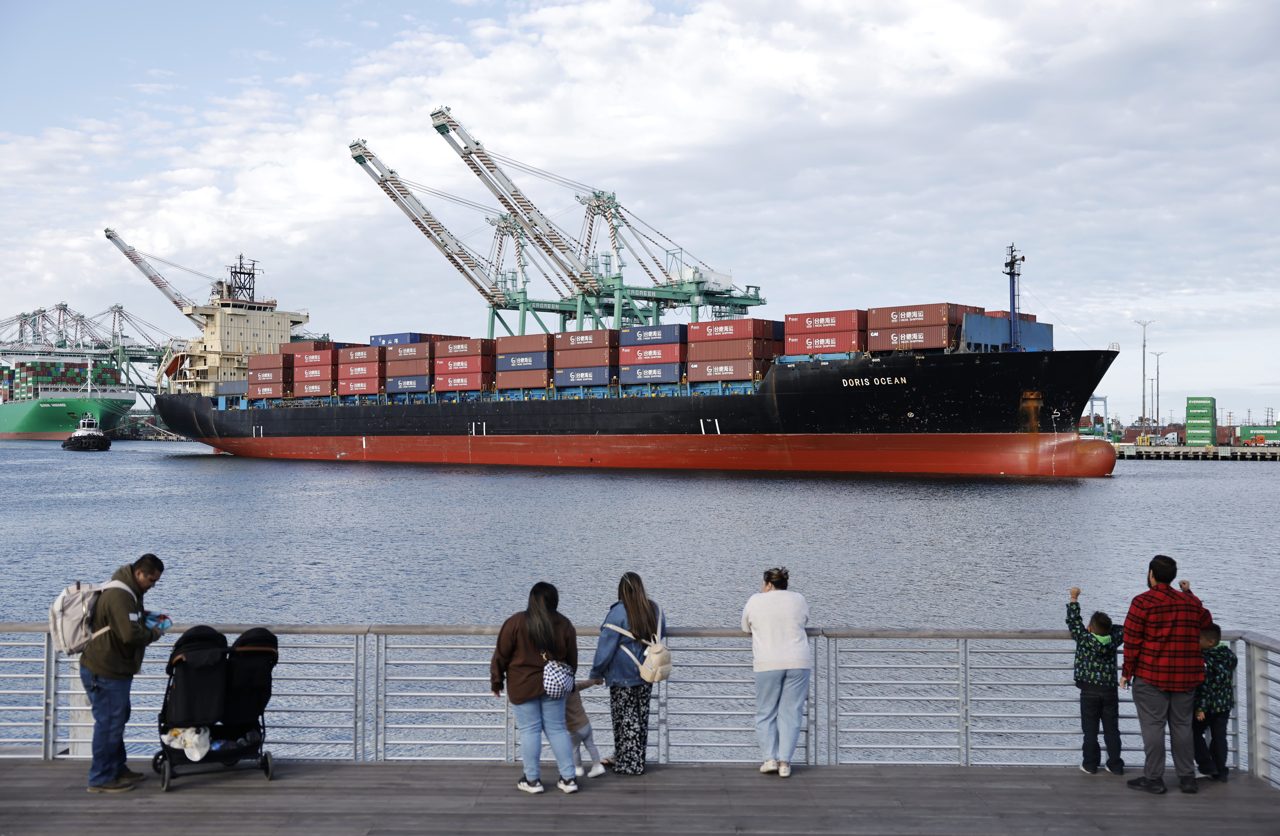
The Trump administration imposed sweeping new tariffs on nearly all US imports using a new legal justification, but immediate lawsuits mean companies should plan for these costs to stick despite expert doubts about their legality.
The US government on Friday levied broad tariffs on goods from more than 80 countries, covering 99.4% of American trade. The administration cited forced labor practices as the justification, using Section 301 of the Trade Act of 1974 as its legal vehicle.
These duties took effect just as a separate batch of tariffs, implemented under Section 122, expired. That previous round was a direct response to the Supreme Court striking down the original "liberation day" tariffs in February, ruling the administration lacked the authority to use the International Emergency Economic Powers Act (IEEPA) for such sweeping levies.
Just hours after the new Section 301 tariffs became active, two small businesses sued in the US Court of International Trade. The plaintiffs, represented by the Liberty Justice Center which won the IEEPA case, argue the administration is using forced labor as a pretext to recreate the invalidated global tariff regime.
Several trade and legal experts agree the new duties face severe judicial headwinds. "In my view, the Section 301 tariffs are clearly unlawful," said Kimberly Clausing, a tax law professor at UCLA and senior fellow at the Peterson Institute for International Economics. Peter Harrell, a visiting scholar at Georgetown University Law Center, noted the statute was "never intended for the president to just wholesale rewrite the tariff schedule" with "permanent" duties.
The administration insists the timing was simply to avoid complexity rather than to circumvent the Supreme Court. Greta Peisch, a former general counsel for the Office of the US Trade Representative, cautioned that Section 301 "gives a lot of flexibility" to the government, calling it "a pretty difficult standard to have to argue against."
Regardless of the legal merits, the timeline for a resolution favors the status quo. Andrew Siciliano, global head of trade and customs at KPMG, noted that Section 301 has an extensive administrative record, meaning the new tariffs "may be harder to unwind." He advised firms to "plan around the tariffs that exist today rather than assume they will be quickly reversed or modified."
This legal uncertainty comes amid a broader escalation of US trade actions. The White House has already announced a Section 301 investigation into the EU in retaliation for hefty fines on US tech giants, alongside 25% duties on Brazilian imports and vows of 50% tariffs on certain Canadian goods.