Big Tech bond spreads widen on surging AI capex
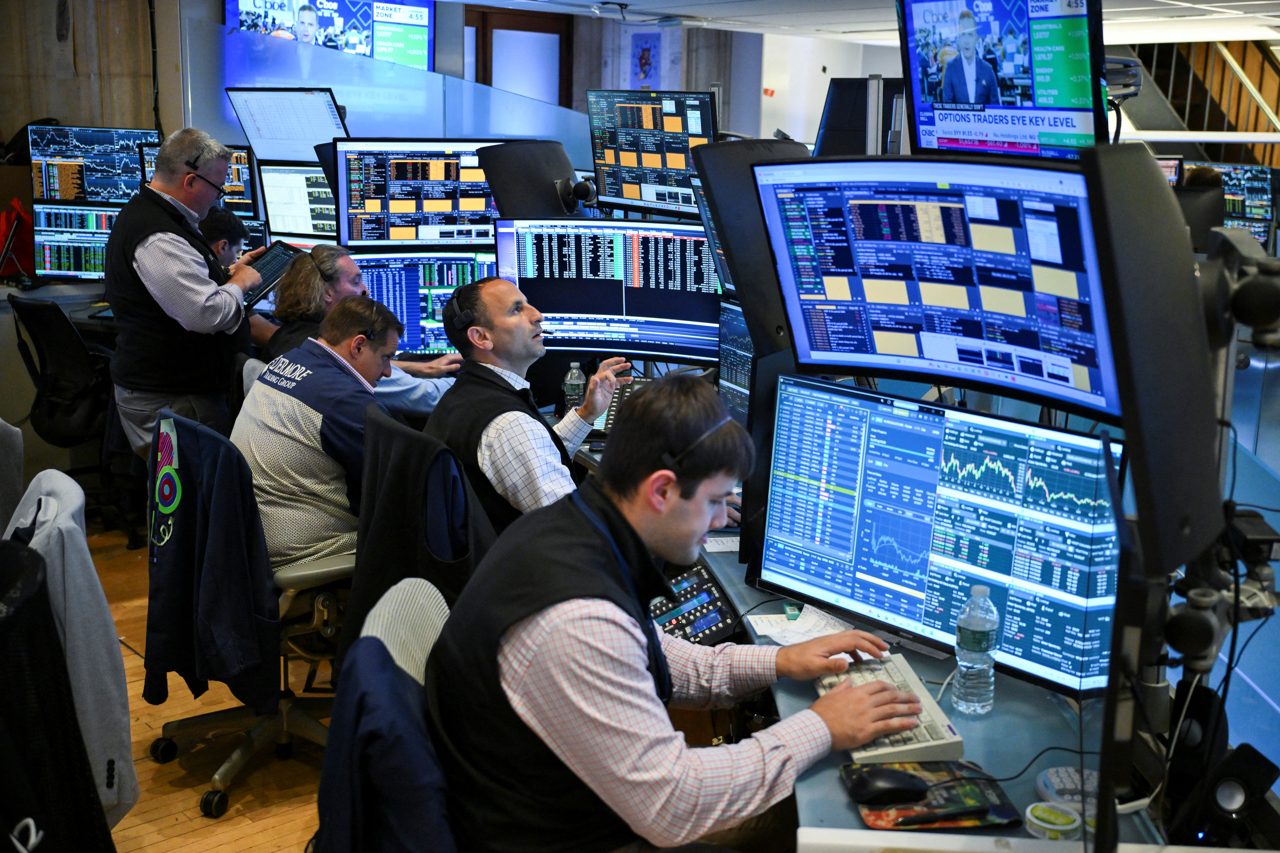
Credit investors are demanding higher yields to fund the artificial intelligence buildout as capital expenditures threaten to outstrip free cash flow at the largest technology companies.
Meta is preparing to price a $12 billion data center financing in Texas early next week at a higher borrowing rate than previous projects. The premium reflects a broader repricing of risk in the technology sector, where credit investors are demanding significantly more yield to fund the massive infrastructure required for artificial intelligence. Spreads on bonds issued by Google, Amazon and Meta have widened as fixed-income buyers question the ultimate return on these investments.
The latest anxiety was triggered by Alphabet lifting its capital expenditure forecast this week, pushing yields higher on fears that other hyperscalers will follow suit. A major driver of these escalating budgets is the rising cost of power required to run massive new data centers across the United States. GE Vernova CEO Scott Strazik pointed to persistent inflationary pressures driven by a heightened geopolitical backdrop, a dynamic underscored by oil breaking above $100 a barrel this week.
The scale of the spending is testing the tolerance of fixed-income investors. Mizuho analysts told clients on Friday that rising capital expenditures are testing investor limits, challenging the view of these tech giants as reliable capital fortresses. The bank noted that hyperscalers are on track to collectively spend more on capital expenditures than they generate in free cash flow by next year.
The shifting dynamics are forcing a reckoning between different corners of the market. "It's creating intense discussions between bond and equity investors who have exposure to the biggest names in tech," said a credit fund portfolio manager. The divergence in how debt and equity holders view the risk of prolonged heavy spending is becoming a defining tension for the sector.
Oracle CDS emerges as AI hedge
The growing unease is most visible in the credit derivatives market, where Oracle's five-year credit default swap has climbed to a multi-year high. Barclays credit analyst Andrew Keches wrote to clients this week that the instrument has become a proxy for broader sector anxiety. "The appeal of ORCL CDS in recent history has extended beyond company-specific fundamentals, reflecting its role as a liquid hedge on AI capex, OpenAI execution and broader data-center spending narratives," Keches noted.
Oracle faces specific scrutiny over its future debt issuance as the leasing and construction of data centers grows more capital intensive. S&P Global downgraded the company's credit rating to BBB- earlier this month, leaving it just one notch above junk status. While Oracle executives point to strategic cloud architecture partnerships with OpenAI, Meta and Nvidia as proof of their competitive position, bondholders remain focused on the balance sheet.
Portfolio managers warn that the upward drift in tech bond yields threatens to increase the cost of financing future deals across the industry. If investors continue to doubt the profitability of the AI buildout relative to its expense, the era of cheap capital for Big Tech infrastructure may be drawing to a close.