Red Sea Blockade Exposes Capacity Gap in Saudi Arabia's Oil Export Bypass
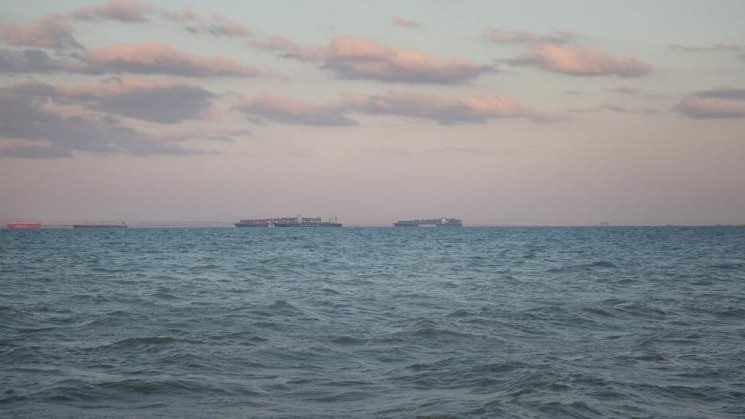
With Bab el-Mandab shut by Houthi attacks, Saudi crude flowing west through the East-West Pipeline has no viable southern exit, forcing cargoes through a constrained Suez corridor that cannot absorb the volume.
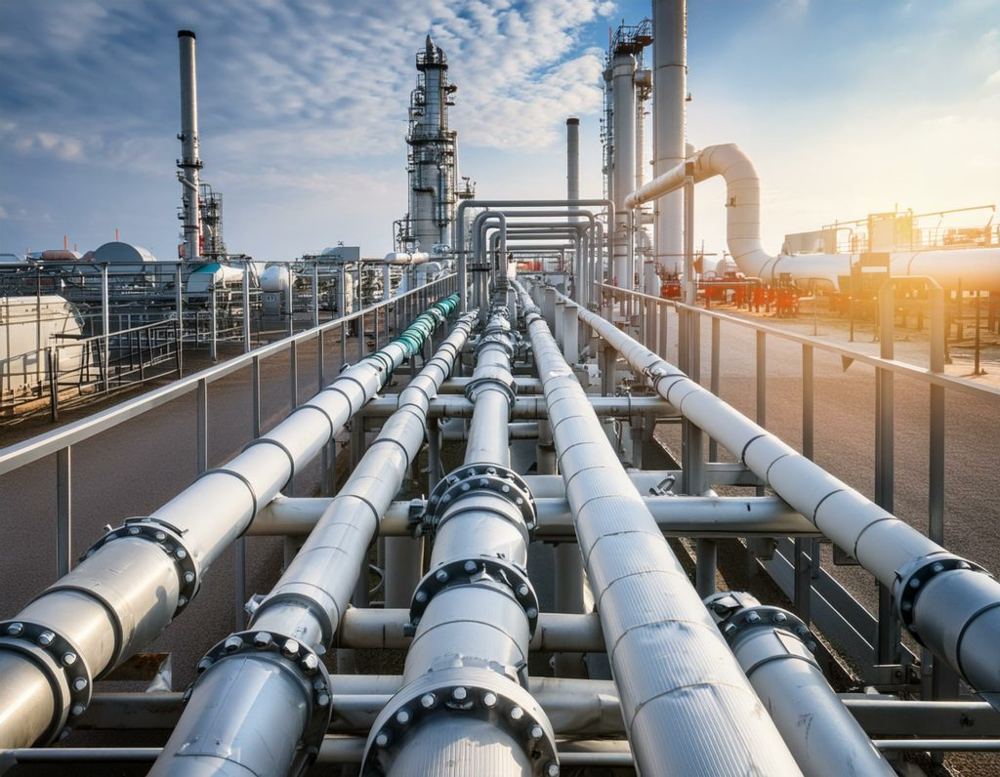
Saudi Arabia's primary insurance policy against a Strait of Hormuz disruption is failing its stress test. The Kingdom's East-West Pipeline can move roughly 7mn barrels per day to the Red Sea port of Yanbu, but a sustained Houthi blockade at Bab el-Mandab means those barrels have nowhere to go south. The result is a logistical trap that threatens to reshape global oil trade flows and push freight costs sharply higher.
Yanbu has rapidly become Saudi Arabia's principal export outlet since the Iran conflict escalated in the Gulf. The port gives Riyadh the ability to keep shipping crude while avoiding Iranian threats near Hormuz. But that flexibility depends on tankers being able to leave the Red Sea, and the southern chokepoint is now effectively closed.
The obvious alternative is to send cargoes north through the Suez Canal. For shipments to Europe and the US, this works. For Asia, where the overwhelming majority of Saudi crude is consumed by buyers in China, India, Japan and South Korea, the consequences are severe. Tankers would have to transit Suez, cross the Mediterranean, and sail around the Cape of Good Hope before turning east, a route that could stretch transit times from three weeks to six or seven.
VLCCs hit a physical ceiling
The Suez route also collides with hard infrastructure limits. Saudi exports depend on very large crude carriers, each holding about 2mn barrels. A fully loaded VLCC cannot transit the Suez Canal because of draft restrictions, despite repeated expansions over the past decade.
Egypt's SUMED pipeline, running from Ain Sokhna on the Red Sea to Sidi Kerir on the Mediterranean, was designed to solve this problem by allowing partial discharge and reload. Its effective throughput of 2.3mn to 2.5mn bpd handles existing commercial flows adequately but falls well short of the several million barrels per day that Yanbu would need to redirect through it. Existing commitments, maintenance schedules and cargoes from other regional producers further reduce available capacity.
Congestion, demurrage and rising costs
If volumes are forced through SUMED, both Ain Sokhna and Sidi Kerir face immediate congestion. Each additional VLCC requiring discharge and reload occupies berths, storage and pumping systems for extended periods. Queues at Suez itself would compound the delays, as the canal already manages convoys of container ships, LNG carriers, bulk vessels and naval traffic.
Refined products, diesel, gasoline, jet fuel, naphtha and LPG, face similar disruption. Product tankers can transit Suez without SUMED, but they will compete for the same canal slots and pilot availability, tightening the entire corridor.
For Asian importers, the financial impact compounds quickly. Every extra week at sea raises bunker costs and ties up working capital for both exporters and importers. Longer voyages also remove vessels from the available fleet for extended periods, effectively shrinking global tanker capacity and pushing up rates across all vessel classes.
The episode underscores a gap that energy markets have been slow to price: billions have been spent on production capacity, pipelines and export terminals, but the maritime corridors connecting them remain fragile. For investors and trading desks, Saudi Arabia's Hormuz bypass now carries a risk premium of its own.