Litigation risk cost Louisiana $600bn in energy growth
Coordinated legal challenges and out-of-state funding are inflating the cost of capital for energy projects in Louisiana, costing the state an estimated $600 billion in lost economic growth since 2009.
A sustained campaign of environmental litigation has cost Louisiana an estimated $600 billion in lost economic growth over the past 15 years, driving a sharp decline in the state's share of the US energy market. The Pelican Institute attributes the downturn not to geology or market forces, but to a coordinated legal strategy funded primarily by out-of-state philanthropies.
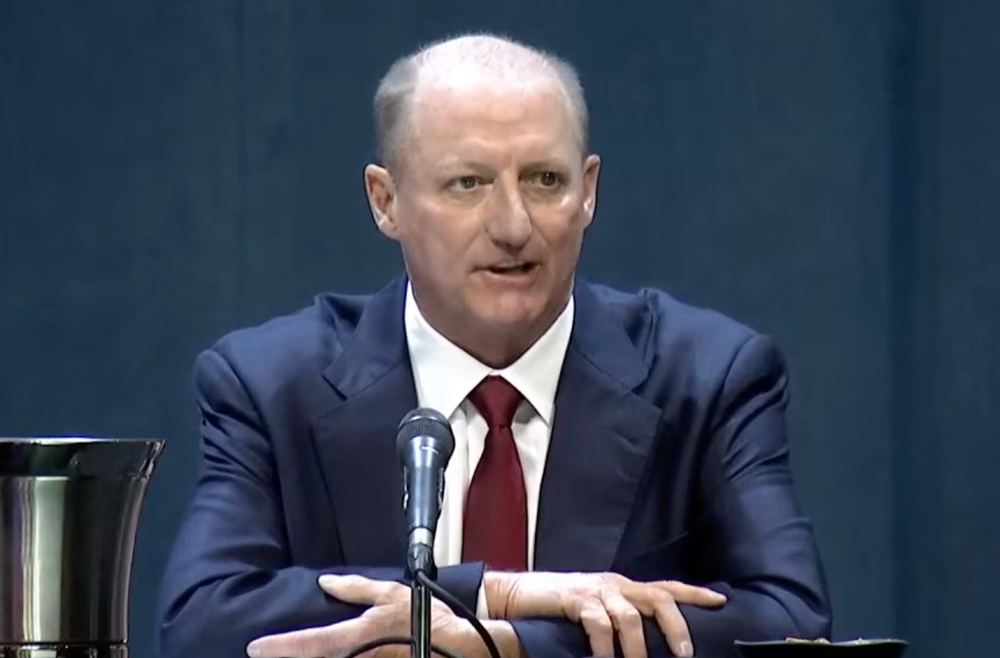
Between 2020 and 2025, at least $115.5 million flowed from external donors to a dozen Louisiana-based environmental groups, accounting for over 98% of those organizations' budgets. "The anti-industry activism is like an onion. The more you peel back layers the more layers you find," said Daniel Erspamer, CEO of the Pelican Institute. Major backers include Bloomberg Philanthropies, the Bezos Earth Fund, and the Rockefeller Family Fund, with 70% of the capital originating in California, New York City, and Washington, D.C.
For investors, the immediate risk manifests in project delays and regulatory uncertainty. Three major LNG export terminals, CP2 LNG, Commonwealth LNG, and Plaquemines LNG, are currently facing ongoing legal assaults that threaten billions in capital deployment. Challenges to the state's Class VI carbon sequestration well primacy, though dismissed by the 5th U.S. Circuit Court of Appeals, similarly chilled investment in carbon capture infrastructure for months.
The most significant financial threat comes from dozens of coastal erosion lawsuits filed by local parish governments against more than 200 energy companies since 2013. These cases attempt to impose retroactive liability on operations that were lawfully permitted decades ago. A Louisiana state court jury ordered Chevron to pay $745 million in one such case last year, an award the U.S. Supreme Court suspended in April by ordering a federal trial.
The cumulative effect is a structural increase in litigation risk that raises the cost of capital across the Gulf Coast energy value chain. While oil and gas production surged in neighboring Texas, North Dakota, and New Mexico, Louisiana's sector share of state GDP fell from roughly 7% to under 3% between 2009 and 2024. "Just as the state is on the verge of turning back 100 years of damaging economic policy and is poised to lead the charge toward American energy dominance, punishing lawsuits and aggressive left-wing activism threatens to derail any progress," Erspamer said.
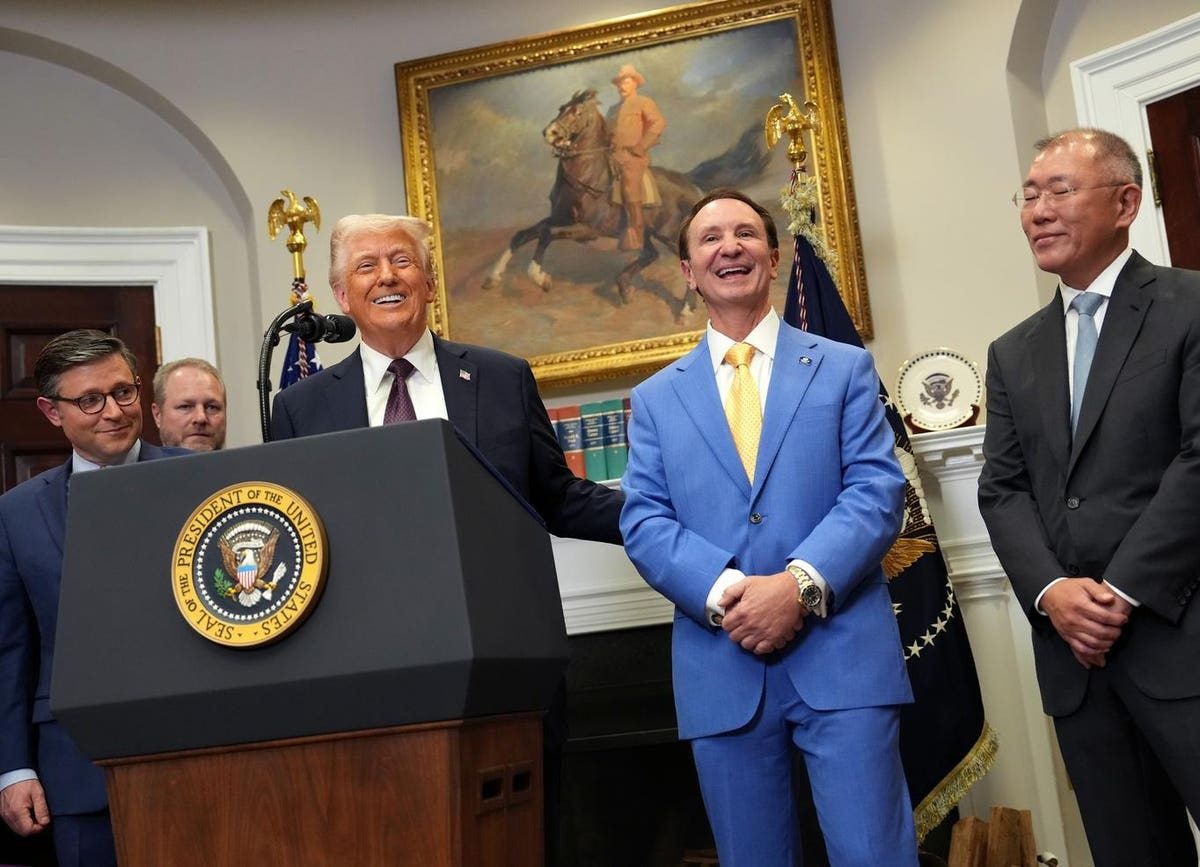
Unlike Texas, which insulated its energy sector through predictable regulations and stronger property rights, Louisiana remains exposed to external pressure campaigns. This vulnerability is compounded by state leadership, as Republican Gov. Jeff Landry's administration continues to support the coastal lawsuits. Until policymakers alter the legal framework, the state's geology and infrastructure will remain secondary to its liability profile for institutional investors.