Mainland funds cut HK stock holdings to 23.3% despite southbound flows
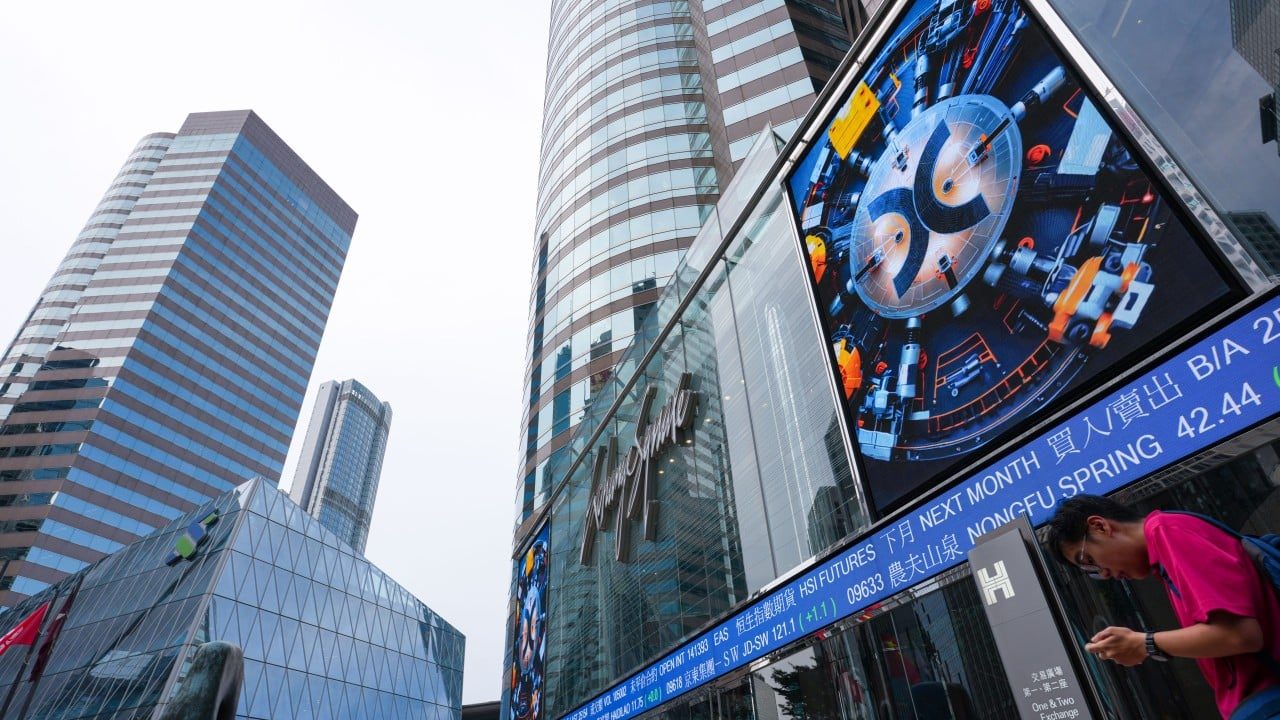
Mainland mutual funds sharply reduced their exposure to Hong Kong equities in the second quarter, creating a notable divergence from broader southbound trading volumes that are critical to the city's market liquidity.
Mainland Chinese mutual funds slashed their allocations to Hong Kong-listed equities during the second quarter, dropping their portfolio weighting to its lowest level in over two years. The share of Hong Kong stocks in these portfolios fell to 23.3 per cent, a level below the 23.9 per cent posted two years ago and down sharply from 34.7 per cent in the first quarter, according to a Thursday report from China International Capital Corporation.
The absolute value of these holdings fell by roughly 23 per cent quarter-on-quarter to 649.1 billion yuan by the end of June. This decline occurred across a tracked universe of 5,163 mutual funds managing 4.4 trillion yuan, or US$649.98 billion, in assets, excluding Qualified Domestic Institutional Investor funds.
This rapid de-risking by active mutual fund managers presents a structural disconnect that equity investors must navigate. While these specific institutional portfolios retreated aggressively, broader southbound Stock Connect flows have remained robust. This divergence indicates that other categories of mainland capital, potentially retail investors or channels outside the tracked mutual fund space, are driving the net positive cross-border flows.
The divergence matters significantly because southbound capital remains a critical component of Hong Kong market liquidity. Mike Leung Kit-man, a director at Wocom Securities, noted that mainland buyers remain essential to daily trading dynamics. “Such inflows from mainland buyers raise trading volumes, often accounting for nearly 25 per cent of the daily equities turnover in the Hong Kong market.”
For institutional investors tracking sentiment, the mutual fund pullback serves as a clear indicator of heightened caution among professional mainland money managers. The 11.4 percentage point drop in allocation over a single quarter highlights an active effort to reduce offshore exposure during a period of notable market volatility.
However, the persistence of strong overall southbound flows indicates that aggregate Chinese appetite for Hong Kong assets has not collapsed. Instead, the flow dynamics suggest a fragmentation of mainland investor behavior. Retail or alternative channels are now dictating short-term liquidity conditions in Hong Kong, even as traditional mutual funds move to the sidelines.