Lume achieves 42% margin on $190m Michigan cannabis revenue
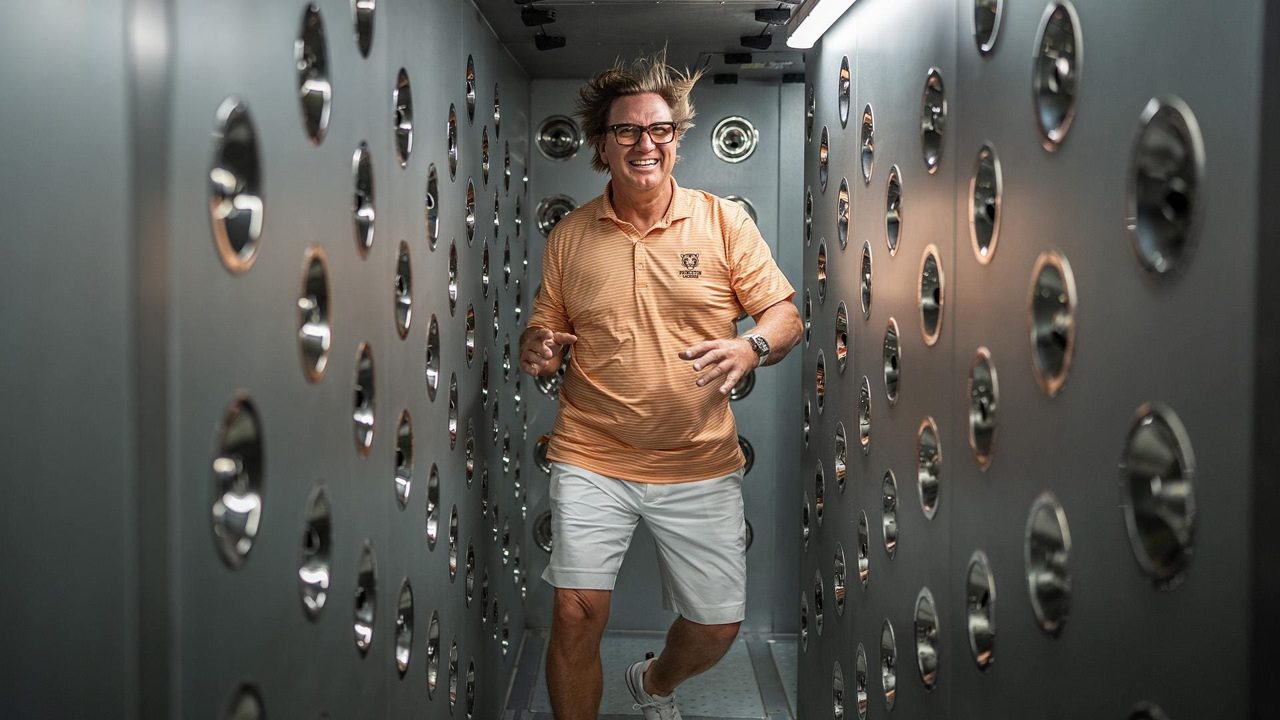
Lume has generated $190 million in 2025 revenue with a 42% margin by applying industrial manufacturing principles to cannabis, creating a facility insiders say is ready for federal regulation.
Lume generated $190 million in revenue in 2025 with a 42% margin, defying the downward pricing pressure and heavy taxation of the Michigan cannabis market. The seven-year-old company achieved this through a single, $45 million, 225,000-square-foot manufacturing facility in Evart.
These margins are striking given Michigan’s operating environment of low prices, a thriving illicit market, and a recently levied 24% wholesale tax. “The new taxes kicked us in the nuts,” says Lume president Doug Hellyar. “It cost us $10 million last year.”
Lume’s profitability rests on strict cost control and industrial scale. Spanning 20 grow rooms with 26,000 plants weekly, the facility produces roughly 30 tons of cannabis annually, keeping unit production costs at $6 against an average selling price of $11. The product is then distributed through 40 local dispensaries.
While competitors like Trulieve and Curaleaf have sprawled across multiple states, Lume has concentrated entirely on Michigan. Founder David Morrow calls the state the “Napa Valley of cannabis” and is waiting for interstate commerce to become legal. “I don’t believe that weed is going to be the only consumer packaged good (CPG) in the history of the U.S. that is not sold across state lines,” says Morrow.
This manufacturing-first approach is deliberately designed for a post-prohibition market. “Lume built something that would be very well received by a federal regulator,” says Brady Cobb, founder of Florida-based Sunburn Cannabis. “If a big CPG company wants to produce a product that is consistent and every bag tastes and looks the same, this is the facility.”
Morrow, who previously scaled Warrior Sports to $20 million in sales before a $50 million sale to New Balance in 2004, has applied identical manufacturing logic to Lume. “We’ve built something that is institutionally investable and repeatable, which is the core of manufacturing,” Morrow says. “We can build this in Texas, Florida, or Tennessee, it doesn’t matter how hot, humid or cold it is. All we need is access to cheap electricity and water.”