China's Crude Imports Hit Decade Low as Stockpiles Cushion Crisis

China’s reliance on vast oil reserves has driven crude imports to a decade low, softening the impact of Middle East supply disruptions and making Beijing the pivotal swing buyer for the rest of the year.
China’s crude oil imports plunged 41.3% in June from a year earlier to 7.12 million barrels per day (bpd), hitting a decade low according to official customs data released on Tuesday. This drastic reduction removed roughly 4 million bpd of demand from the global market over the past four months. The pullback prevented a major price spike despite the worst supply disruption in oil market history caused by the Iran war.
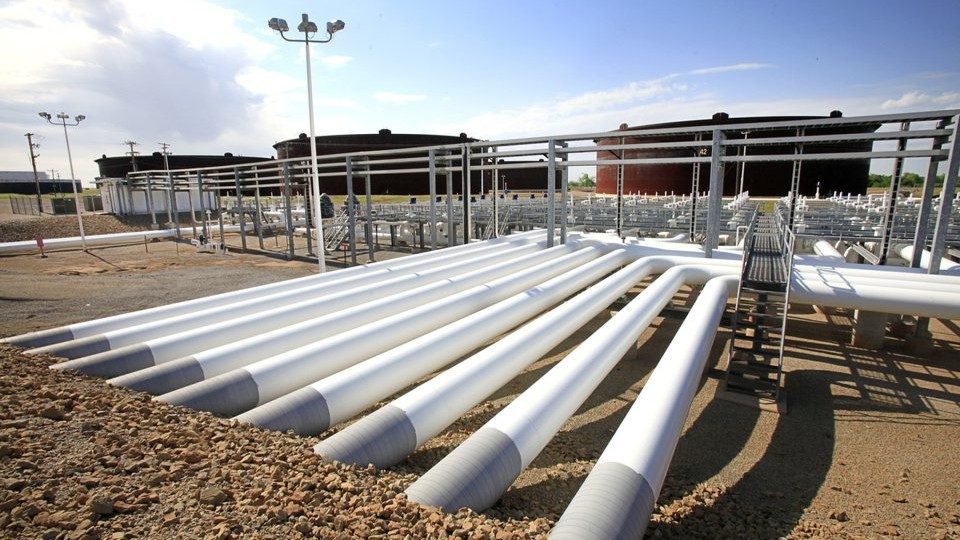
Beijing achieved this by drawing down an estimated 1.2 billion to 1.4 billion barrels of accumulated strategic and commercial reserves. The International Energy Agency estimates China pulled 41 million barrels from stockpiles in June alone, following a 500,000 bpd draw in May. These massive reserves, built up during periods of $60 to $70 oil last year, made China the best-prepared major importer to weather the Middle East crisis.
China's import strategy remains strictly price-driven. The world's top crude buyer typically retreats when prices exceed $80 a barrel, as they did during the early weeks of the conflict, and buys aggressively when prices fall to the $60 to $70 range. With oil recently approaching $90 again, Chinese refiners are likely to curb purchases for cargoes arriving after September.
However, a temporary rebound in Chinese buying could materialize in the short term. Following the late June U.S.-Iran memorandum of understanding that briefly pushed prices to $70, Gulf producers slashed official selling prices for July and August. Goldman Sachs noted last week that while China still holds substantial stocks and is in no rush, it could accelerate purchases for late summer cargoes to capture these lower prices.
A second potential driver for Chinese crude demand is the recent easing of fuel export restrictions. With domestic fuel demand weak but global refining margins high, Beijing is allowing refiners to increase overseas sales. Increased fuel exports would act as a near-term driver for crude purchases, according to Emma Li, lead China oil market analyst at Vortexa.
However, this export rebound will not be instantaneous. "Besides the time required for refiners to secure cargo nominations and arrange shipments, Beijing has retained one important condition: refiners are required to maintain product inventories at or above end-February levels, preventing them from relying solely on inventory drawdowns to increase exports," Li noted.
For global markets, the implication is clear. Beijing will continue to use any price dips to restock its massive reserves while leveraging fuel export arbitrage where possible. This opportunistic approach ensures China will remain the decisive swing buyer dictating global oil price trends through the end of the year.