Trump warns of 200% generic drug tariffs from 2028
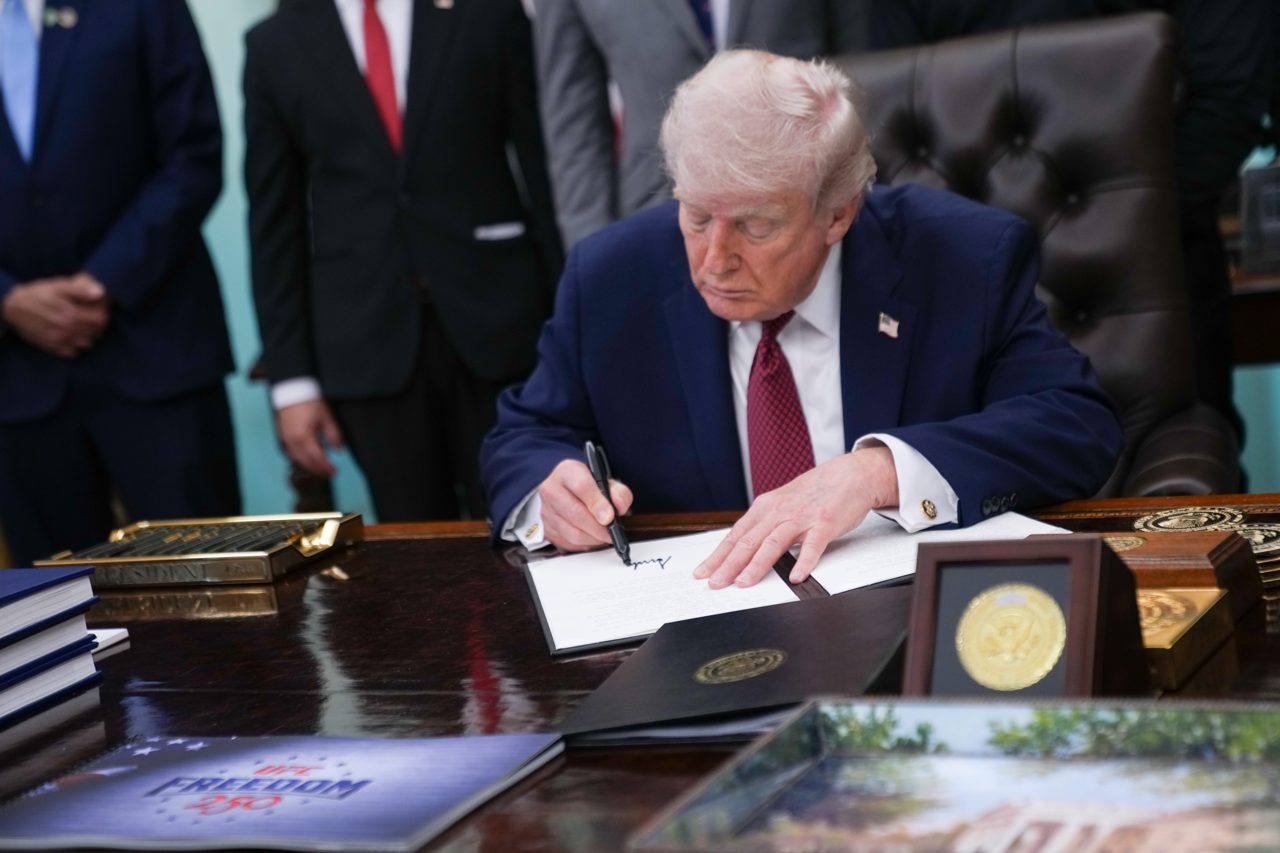
A phased tariff escalation reaching 200% by 2029 forces generic drugmakers to choose between costly US manufacturing reshoring and losing access to the world's largest market.
President Donald Trump announced a phased tariff escalation on imported generic drugs, setting a two-year countdown for the industry to relocate production to the United States. Under the schedule outlined on Tuesday, imported generics will carry a zero tariff starting August 1 before jumping to a 100% levy in August 2028 and reaching 200% a year later.
The administration framed the escalating penalties as a direct incentive for onshoring manufacturing. Trump described the policy in a social media post as "a penalty" for companies that fail to build domestic plants and facilities within the grace period.
The announcement establishes a stark bifurcation in US pharmaceutical policy. Patented drugs are already subject to a 100% levy under Section 232, implemented on April 2, with large drugmakers given 120 days and smaller firms 180 days before those rates take effect.
However, the branded sector has a clear escape hatch. More than a dozen major companies, including Eli Lilly, Pfizer, and Novo Nordisk, have secured three-year tariff exemptions by agreeing to lower prices for new and existing medicines.
These agreements align with the administration's "most favored nation" framework, which restricts US drug prices to match those in other high-income countries. By contrast, generic manufacturers, operating on razor-thin margins, lack a comparable pricing mechanism to offer in exchange for relief.
The supply chain shock will be felt most acutely in Asia. Indian pharmaceutical companies supply nearly 50% of all generic medicines consumed in America, making the US market responsible for about a third of India's pharma exports.
Further complicating any onshoring effort is the industry's reliance on Chinese upstream suppliers. Chinese firms dominate the production of active pharmaceutical ingredients, including amoxicillin and heparin, meaning generic drugmakers cannot simply relocate final assembly to the US.
The initial two-year window of zero tariffs provides a brief reprieve but also practically guarantees a surge in inventory stockpiling. Companies are likely to front-load shipments into the US before the 2028 cliff, distorting near-term trade data and demand forecasts.
For markets, the two-year grace period is effectively a ticking clock. Investors must now weigh the massive capital requirements of building US facilities against the reality that the global generic supply chain was built over decades around low-cost Asian manufacturing.