Petrobras overhauls FPSO contracts to break supplier grip, cap costs
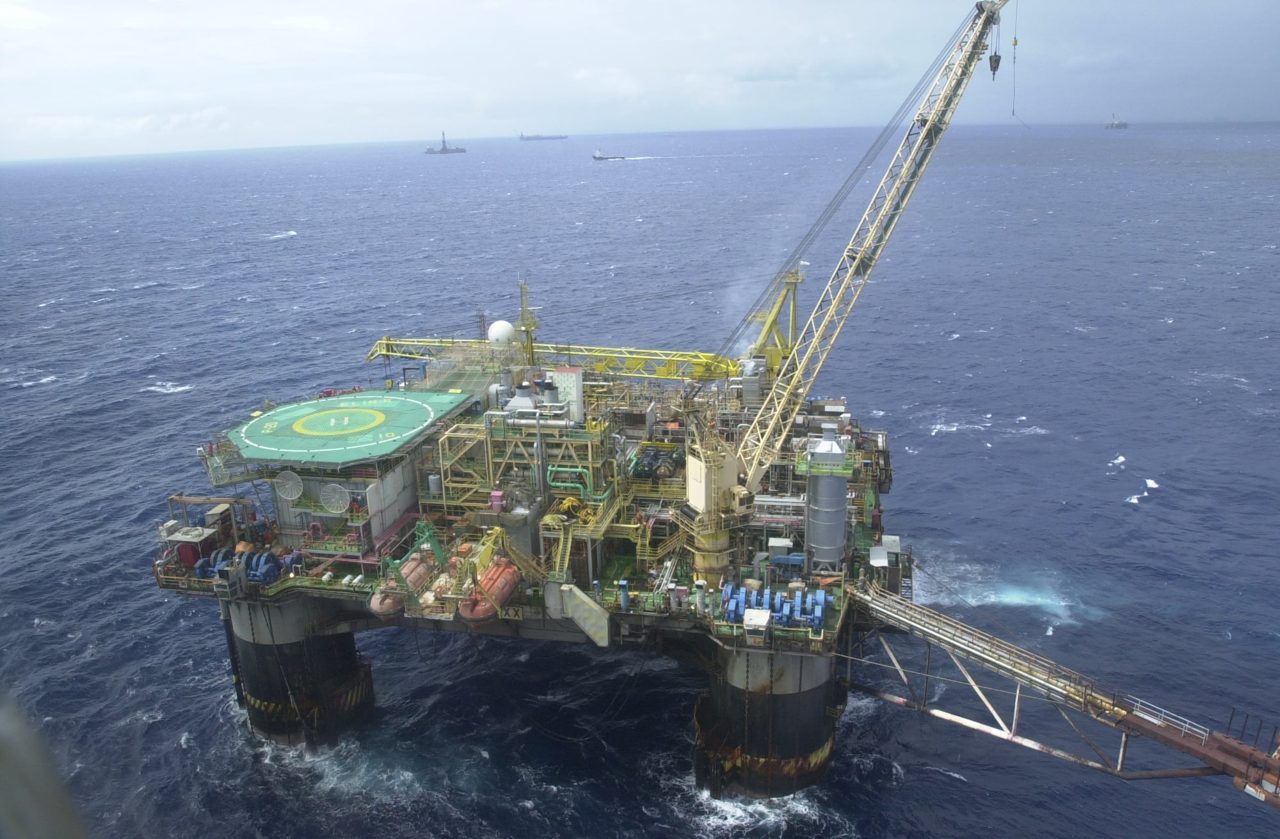
Petrobras is replacing its traditional charter model for offshore production units with a build-operate-transfer framework to break a narrow supplier oligopoly and cap unit costs at $3.5 billion.
Petrobras has abandoned its long-standing practice of leasing offshore oil platforms through decades-long charters, adopting a build-operate-transfer (BOT) model designed to force down costs and expand its supplier base.
Under the new framework, contractors will design and build floating production, storage, and offloading units, operate them for approximately 6.5 years, and then hand over full ownership to the state-controlled producer. This marks a sharp departure from the 20- to 25-year charter agreements that previously left the assets in the hands of a small circle of specialized contractors.
The company has already executed this strategy, signing two BOT contracts worth a combined $8.4 billion with Dutch firm SBM Offshore for the SEAP I and SEAP II units in the Sergipe-Alagoas basin. First oil from those projects is expected by 2030.
Cost discipline is the primary driver. Petrobras has set an internal ceiling of $3.5 billion per proprietary unit, a significant reduction from the charter-era standard that routinely exceeded $4 billion once financing and operational markups were included. By building equity in the platforms from day one, the company expects to strengthen its balance sheet and lower long-term expenses.
The financial rationale was demonstrated when Petrobras revoked charter tenders for the Barracuda-Caratinga fields and the P-86 platform, citing economic infeasibility. Both are now slated for relaunch under the BOT framework before the end of the year.
The structural shift also alters the competitive landscape. By opening bids to consortia, Petrobras aims to dilute the pricing power of incumbent floaters and create secondary opportunities in marine logistics and engineering. Moody’s noted that the company’s strong cash generation and the cost-saving potential of the BOT model provide buffers against broader fiscal headwinds in Brazil.
However, the new terms enforce stricter local content rules. Bidders are required to partner with Brazilian shipyards like Brasa and Mauá for topside integration and module assembly, even though hull fabrication remains largely anchored in Chinese yards such as CIMC Raffles and DSIC. Foreign subcontractors will effectively need a Brazilian joint-venture partner to participate.
Petrobras plans to sign six proprietary FPSO contracts in 2026 and 2027, with 15 new platforms in its broader strategic plan and six additional units under consideration. The Albacora tender deadline has been pushed to May 25, 2026, to accommodate the new rules, while the relaunched Barracuda-Caratinga and P-86 tenders will serve as the critical proving ground for the $3.5 billion cost target.