Nigerian Senate approves stricter insurance regulator overhaul
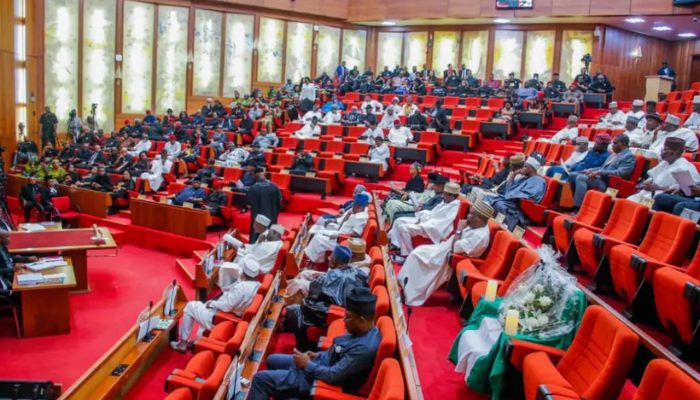
Nigeria's Senate has passed legislation granting stronger enforcement powers to the country's insurance regulator and removing bureaucratic hurdles for intervening in failing firms.
Nigeria’s Senate has passed legislation overhauling the country’s insurance sector, voting to rebrand the industry regulator and significantly expand its enforcement powers. The bill formally changes the name of the National Insurance Commission (NAICOM) to the Insurance Regulatory Commission, reflecting a broader modernisation of the legal framework governing the industry.
For market participants, the most critical element of the legislation is the introduction of stricter oversight and accountability mechanisms. The proposed law authorises the regulator to impose higher financial penalties and suspend operating licences. Crucially, it introduces permanent disqualification for individuals found culpable in the collapse of insurance institutions, preventing them from holding future positions within the sector.
The bill also removes a major administrative bottleneck that has historically complicated crisis management and distressed asset resolutions. Regulators will no longer require prior ministerial approval to appoint or remove directors at failing or distressed insurance companies. Additionally, the legislation mandates the Finance Minister to constitute an interim management committee within 30 days if the regulator's governing board expires or is terminated, preventing leadership vacuums.
Tokunbo Abiru, chairman of the Senate Committee on Banking, Insurance and Other Financial Institutions, presented the report to the floor. He stated that the existing name had become confusing "in light of the evolution of Nigeria’s insurance industry" and "no longer accurately reflects the commission’s regulatory mandate." The updated provisions are designed to address emerging challenges in supervision and regulatory intervention.
Senate President Godswill Akpabio endorsed the bill following a voice vote, stating the National Assembly would continue to reform the sector to make it "stronger and more effective than it inherited." The legislation must now be transmitted to the House of Representatives for concurrence before being sent to President Bola Tinubu for final assent.