US Plans US$57.4M for Meat Processors
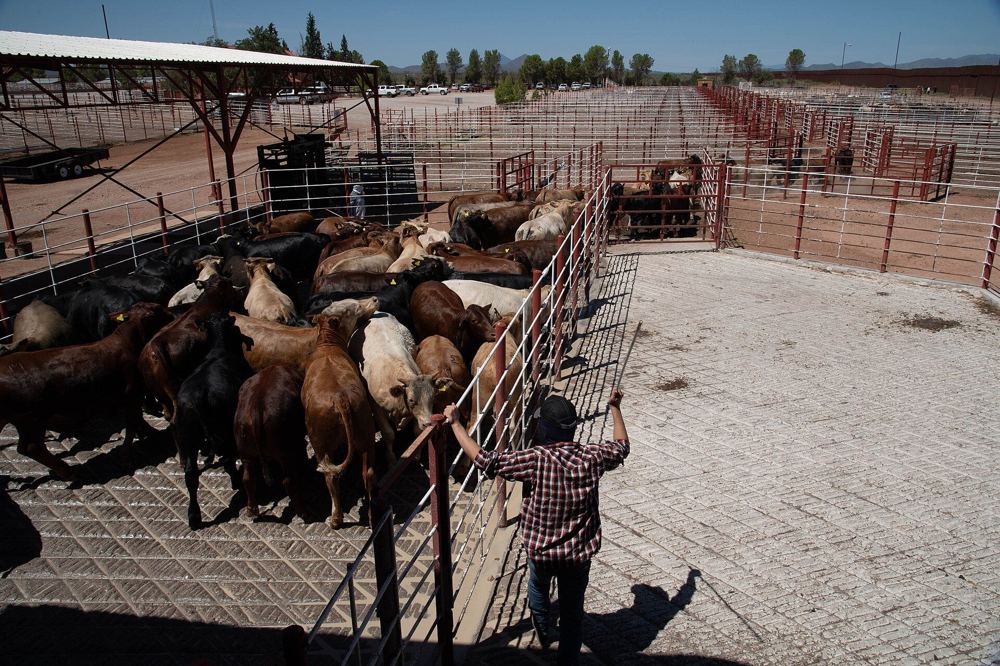
Washington plans US$57.4 million in tentative awards for meat processors, pending Congress, as the US cattle herd sits at a 75-year low. The post US Plans US$57.4M for Meat Processors appeared first on The Rio Times .
The official TSE count for Flávio Bolsonaro and Lula, updated every minute (voting closed at 7 p.m. Brasília, 6 p.m. ET).
Brazil runoff polls · Polymarket and Kalshi odds · When results come · Brazil election poll data (CSV)
Implied chance of winning Brazil’s presidency on 25 October, from traders’ prices.
As of 25 October, 11:40 pm ET (03:40 Lisbon) , updated every 20 minutes. Prices are bets, not polls, and can move fast.
Why we show this: prediction markets turn real-money bets into a live probability that moves within minutes of the news, which is why investors, campaigns and newsrooms in the United States now follow them closely. We show them next to polls and official results, never instead of them.
MPPEP is the Meat and Poultry Processing Expansion Program, which gives money to independent meat and poultry processors. USDA is the US Department of Agriculture, and its Rural Business-Cooperative Service, part of Rural Development, runs the programme.
Lean beef trimmings are the leaner cuts trimmed from carcasses, mostly used to make ground beef. A quota is a limit on how much of a product can enter the country at a lower duty rate.
The US Department of Agriculture (USDA) plans to award US$57,424,130 to 147 meat and poultry processing projects in 40 states, Vice President Vance and Agriculture Secretary Brooke Rollins announced on Monday 26 October 2026. The awards are tentative because the money still has to be allotted by Congress.
The announcement is a domestic programme, and the release does not mention Brazil, imports or tariffs. It still matters to Brazilian beef exporters, because the US herd is at its lowest level in 75 years, according to a White House proclamation of 26 August 2026 that also raised the 2026 import quota for lean beef trimmings.
The money comes from the Meat and Poultry Processing Expansion Program, known as MPPEP, which is run by the Rural Business-Cooperative Service of USDA Rural Development. The department says the goal is to expand processing capacity, encourage competition and improve the resilience of the supply chain.
The headline of the USDA release says the aim is to boost American meat processing capacity and support US ranchers. It describes the 147 awards as tentative, spread across 40 states and pending a Congressional allotment of the funds.
Eligible applicants include for-profit and nonprofit companies, producer-owned cooperatives, benefit corporations, Tribal entities and state or local governments. Private companies must be independently owned and operated, and every applicant must be domestically owned.
USDA says earlier rounds of the programme have awarded more than US$200 million to independent businesses and created thousands of jobs. The text reviewed does not name the individual recipients of this round or the size of each award.
The USDA’s National Agricultural Statistics Service counted 86.2 million cattle and calves in the United States on 1 January 2026, about 0.4% fewer than a year earlier. Beef cows numbered 27.6 million, down 1% from 2025, in the report released on 30 January 2026.
The White House proclamation of 26 August 2026 says the herd has fallen to its lowest level in 75 years and cites USDA data suggesting it began growing again in July 2026. The same text forecasts that US beef output will fall about 4% from 2025 levels this year.
Secretary Rollins ties the new awards to President Donald Trump’s executive order on livestock markets, the release says, and describes the aim as rebuilding the Great American Cattle Herd. The release also says the funds are meant to create new and better markets for producers.
The same proclamation raised the 2026 in-quota amount for lean beef trimmings by 300,000 metric tons, allocated to other countries or areas, in three tranches of 100,000 metric tons. The first two tranches opened on 1 September and 1 October, and the third opens on 31 October and stays open until it fills or 30 November 2026.
The proclamation does not name Brazil, so any Brazilian access in the text reviewed comes through the general allocation and not a country-specific share. Readers can follow the trade side in the coverage of Brazil’s beef exports to the US in September and of the White House beef cartel accusation against Brazilian meatpackers .
Nothing reaches processors until Congress allots the funds, so the first milestone is that allotment, which the release does not date. Because the awards are tentative, they are not final commitments until that step is complete.
The import quota has a nearer deadline, because the third tranche opens on 31 October and the window closes on 30 November 2026. Whether the tranche fills before then depends on shipments that the proclamation does not forecast.
For US shoppers, the announcement is a long-term supply measure and makes no promise about beef prices, which the release does not mention. The herd data explain why supply is tight, with fewer cattle on 1 January 2026 and a forecast 4% drop in beef output this year.
For ranchers and independent processors in the 40 states, the awards are tentative until Congress allots the money. For Brazilian exporters and US importers, the quota window that closes on 30 November is the more immediate lever.
For investors following Brazilian meatpackers, the page to watch is the quota, and the Brazil news page collects the related coverage. A domestic processing programme changes US supply only slowly, so any effect on imports would show up over years and not weeks.
The release does not give a date for the Congressional allotment, a state-by-state list in the text reviewed, or an estimate of the jobs or processing capacity the 147 projects will add. It also contains no figures on beef prices or imports.
It is not known whether the third import tranche will fill before 30 November, or how much of the quota Brazilian suppliers will use. The proclamation does not name Brazil, and the recovery of the US herd since July 2026 rests on USDA data that it cites without figures.
The USDA announced US$57,424,130 in tentative awards for 147 projects in 40 states on 26 October 2026. The money depends on Congress allotting the funds.
Companies, cooperatives, Tribal entities and state or local governments can receive it if they are domestically owned. Private companies must be independently owned and operated.
The USDA release does not mention Brazil, imports or tariffs. Separately, a 26 August proclamation raised the 2026 US quota for lean beef trimmings by 300,000 metric tons for countries it does not name.
The USDA counted 86.2 million cattle and calves on 1 January 2026, about 0.4% fewer than a year earlier. A White House proclamation says the herd has fallen to its lowest level in 75 years.
The third 100,000 metric ton tranche opens on 31 October 2026. The quota window closes on 30 November 2026 unless it fills earlier.
Sources: USDA press release, 26 October 2026 ; White House proclamation, Further Ensuring Affordable Beef for the American Consumer, 26 August 2026 ; USDA National Agricultural Statistics Service, Cattle report, 30 January 2026 .
Editorial responsibility: Matthias Camenzind , Editor-in-Chief · Editorial standards · Report an error